
Table of Contents
ToggleKey Takeaways
- Excess moisture around your foundation is the single biggest factor attracting termites to your Florida home.
- Wood-to-soil contact near your house creates a direct highway for subterranean termites to invade.
- Mulch, firewood stacks, and yard debris stored close to your exterior walls serve as termite magnets.
- Cracks in your foundation and gaps around utility lines give termites easy, hidden entry points.
- Simple landscaping and maintenance changes can dramatically reduce your risk of a termite infestation.
- Scheduling annual professional inspections is the most reliable way to catch termite activity before it causes serious structural damage.
The things attracting termites to your Florida home might already be sitting in your yard, pressed against your foundation, or leaking behind your walls. Florida’s warm, humid climate makes the entire state a paradise for termites, and these wood-destroying insects don’t need much encouragement to move in. Every year, termite damage costs U.S. homeowners billions of dollars — and Florida consistently ranks among the hardest-hit states. The good news? Most of the conditions that draw termites to a property are preventable. In this guide, you’ll learn the four most common attractants that put your home at risk and exactly what to do about each one. Whether you’re dealing with subterranean, drywood, or Formosan species, understanding what lures them in is the first step toward keeping them out.
Why Florida Homes Are Prime Targets for Termites
Before diving into the specific attractants, it helps to understand why Florida homes face such extreme termite pressure. The state’s subtropical climate delivers year-round warmth and high humidity — two conditions that termites need to thrive. Unlike colder regions where freezing winters slow termite activity, Florida colonies stay active 365 days a year.
Florida is home to multiple termite species, including Eastern subterranean termites, drywood termites, and the especially destructive Formosan subterranean termite. Each species has slightly different habitat preferences, but they all share a need for cellulose (the structural component of wood), moisture, and shelter. For a deeper look at every species active in the state, the complete guide to termite identification and control in Florida covers what you need to know.
Understanding where termites come from helps you realize that colonies often exist in the soil or nearby trees long before they reach your structure. Your home doesn’t create the colony — it simply provides the conditions that attract an existing one.
Excess Moisture: The #1 Thing Attracting Termites
If you could eliminate just one termite attractant, moisture should be at the top of your list. Subterranean termites — the most common and destructive group in Florida — require constant contact with moisture to survive. They build mud tubes specifically to maintain humidity as they travel between the soil and your home’s wood.
Even drywood termites, which don’t need soil contact, prefer wood with slightly elevated moisture content when establishing new colonies. In short, wet conditions around and inside your home roll out the welcome mat for every termite species in Florida.
Common Moisture Sources Around Your Home
Many homeowners don’t realize how many moisture problems exist right outside — or inside — their walls. Here are the most common culprits:
- Leaking faucets and hose bibs — Even a slow drip saturates the soil near your foundation.
- Clogged or damaged gutters — Water overflows and pools along the perimeter of your home.
- Improperly graded landscaping — When the ground slopes toward your foundation instead of away, rainwater collects where it shouldn’t.
- AC condensation lines — In Florida, air conditioning units run almost constantly, producing a steady stream of condensation that drains near the foundation.
- Plumbing leaks under sinks, in crawl spaces, or behind walls — These create hidden damp zones that termites exploit.
How to Reduce Moisture Around Your Foundation
Fixing moisture issues is one of the most cost-effective ways to deter termites. Start by inspecting all outdoor faucets and irrigation connections for leaks. Clean your gutters at least twice a year and make sure downspouts direct water at least three feet away from your foundation.
Check the grading around your house. The soil should slope downward about six inches over the first ten feet from the foundation wall. If it doesn’t, re-grade the soil or add a French drain system.
Inside, repair any plumbing leaks promptly. Use a dehumidifier in damp crawl spaces or basements, and ensure your AC condensation drains well away from the structure. These simple steps remove the moisture that termites depend on.
Wood-to-Soil Contact Gives Termites a Direct Path Inside
Subterranean termites live underground. When wood — especially untreated wood — directly touches the soil, it creates an unobstructed bridge from the colony straight into your home. This eliminates the termites’ need to build exposed mud tubes, meaning you might never see visible evidence until serious damage has occurred.
Common examples of wood-to-soil contact include:
- Fence posts or deck supports that sit directly in the ground against the house
- Siding or stucco that extends below the soil line
- Wooden porch steps resting on dirt
- Trellises or lattice panels nailed to the exterior wall and touching the ground
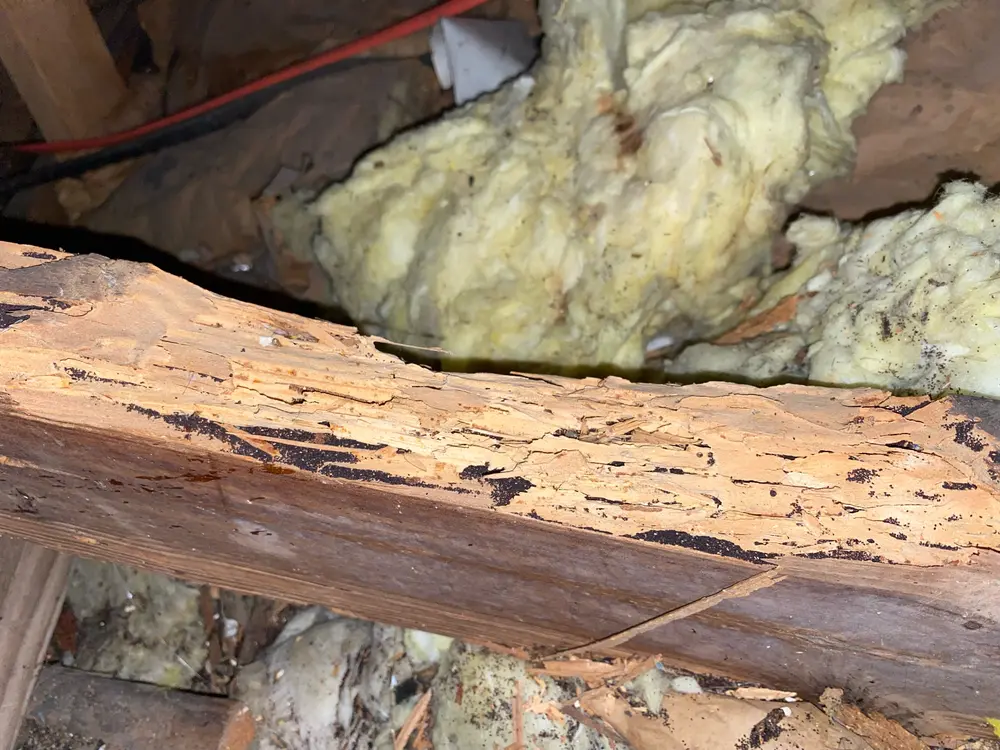
Even pressure-treated lumber is not termite-proof — it’s termite-resistant. Over time, the chemicals leach out, and the wood becomes vulnerable. For early signs of termites around these contact points, look for soft or hollow-sounding wood, blistering paint, and tiny piles of frass (termite droppings).
How to Eliminate Wood-to-Soil Contact
Walk the perimeter of your home and note every place where wood meets the ground. The goal is to maintain at least six inches of clearance between any wood component and the soil surface.
Replace wooden porch supports or deck posts with concrete piers or metal brackets. Pull soil and mulch away from siding so the foundation wall — ideally concrete or masonry — is visible. If you have a crawl space, ensure the wooden structural members are well above ground level and supported by concrete piers.
For structures where wood-to-soil contact is unavoidable, consider treating the surrounding soil with a termiticide barrier. A pest control professional can apply a liquid treatment that creates a chemical zone termites cannot cross.
Yard Debris, Mulch, and Firewood Near Your Home Attract Termites
Your landscaping choices can unknowingly attract termites to your property. Organic mulch, stacked firewood, tree stumps, and piles of yard debris all provide cellulose and moisture — the two things termites need most.
The Mulch Problem
Wood-based mulch (cypress, pine bark, hardwood) is one of the most popular landscaping materials in Florida. While mulch itself doesn’t “cause” termites, it retains moisture and provides a food-adjacent material that draws them closer to your foundation.
When mulch is piled against exterior walls — especially near weep holes, siding seams, or windowsills — you’ve created a termite bridge. The warm, damp mulch layer is the perfect environment for subterranean termites to forage.
To reduce risk:
- Keep mulch at least 12-15 inches away from your foundation.
- Apply it no more than 2-3 inches deep.
- Consider switching to inorganic alternatives like rubber mulch, gravel, or river rock near the house.
Firewood and Yard Debris Storage
Firewood stacked against your home’s exterior is practically an invitation for termites. The wood provides food, the stack traps moisture, and proximity to the wall gives termites an easy jump to your structure.
Follow these firewood storage best practices:
- Stack firewood at least 20 feet from your home.
- Elevate the stack off the ground on a concrete pad or metal rack.
- Cover the top but leave sides open for airflow.
Tree stumps, dead branches, and piles of leaves or grass clippings should also be removed promptly. Drywood termites are extremely common in Florida, and they can establish colonies in dead wood debris in your yard before eventually swarming into your home.
Cracks, Gaps, and Openings That Let Termites In
Even if you control moisture, remove wood-to-soil contact, and manage your landscaping, termites can still enter through small cracks and gaps in your home’s exterior. Subterranean termites need an opening as thin as a credit card to squeeze through a foundation crack. Drywood termite swarmers, meanwhile, fly directly to exposed wood and enter through tiny crevices.
Where to Look for Entry Points
Termites exploit openings that most homeowners never think to inspect. Focus your attention on these areas:
- Foundation cracks — Hairline cracks in concrete slabs, block walls, or stucco are all termites need.
- Expansion joints — Gaps where your foundation meets a patio, garage, or sidewalk.
- Utility penetrations — Holes drilled for plumbing, electrical, and cable lines often have unsealed gaps.
- Window and door frames — Deteriorated caulk or weatherstripping creates openings, especially in older Florida homes.
- Roof eaves and soffits — Damaged or warped soffit panels allow drywood termite swarmers to access attic framing.
How to Seal Your Home Against Termites
Sealing entry points won’t make your home 100% termite-proof, but it significantly reduces risk. Use high-quality silicone or polyurethane caulk to fill cracks in the foundation and around window and door frames. Patch larger foundation cracks with hydraulic cement.
Install or repair screens on foundation vents, soffit vents, and attic openings. Ensure weatherstripping around doors creates a tight seal. For utility penetrations, use expanding foam or escutcheon plates to close gaps around pipes and wires.
Periodically conduct a termite inspection around these areas to catch new cracks or seal failures before termites exploit them.
Termite Attractants at a Glance: Quick Comparison
| Attractant | Primary Termite Species Drawn | Risk Level | Fix Difficulty |
|---|---|---|---|
| Excess moisture | Subterranean, Formosan | Very High | Easy to Moderate |
| Wood-to-soil contact | Subterranean, Formosan | High | Moderate |
| Mulch, firewood, yard debris | Subterranean, Drywood | Moderate to High | Easy |
| Cracks, gaps, and openings | All species (especially Drywood swarmers) | Moderate | Easy |
As you can see, most fixes are within any homeowner’s ability. The key is acting before termites find these conditions — not after.
How to Stop Termites Before They Cause Damage
Eliminating attractants is your first line of defense, but it works best as part of a layered prevention strategy. Here’s what a comprehensive termite prevention plan looks like for a Florida homeowner:
- Address all four attractants above — moisture, wood-to-soil contact, debris, and entry points.
- Schedule annual professional inspections — A trained inspector can detect activity you’d never notice on your own.
- Consider a preventive treatment — Liquid soil treatments or bait stations create an ongoing barrier around your foundation.
- Know the warning signs — Termite droppings, discarded wings near windows, and hollow-sounding wood all signal an active infestation.
- Invest in a termite bond — A termite bond provides ongoing protection and may cover future treatment costs.
If you’ve already spotted signs of activity, the right response depends on the termite species involved. Subterranean infestations typically require soil treatments or bait systems, while drywood infestations may call for spot treatments or full structural fumigation. Our guide on how to get rid of drywood termites walks you through every option available for that particular species.
For homeowners debating whether to handle things themselves, understanding the difference between DIY termite treatment and professional service can save you time, money, and potentially your home’s structural integrity. Termite damage is rarely covered by homeowner’s insurance, which makes prevention and early intervention your most affordable options.
Don’t wait until you find hollowed-out framing or a swarm in your living room. If any of the attractants described in this article apply to your home, take action today. Contact a licensed Florida pest control company for a thorough inspection and a customized prevention plan tailored to your property.
Frequently Asked Questions
-
What attracts termites to a house the most?
Excess moisture is the single biggest attractant. Subterranean and Formosan termites need constant moisture to survive, and even drywood termites prefer wood with elevated moisture content. Fixing leaks, improving drainage, and reducing humidity around your foundation go a long way toward deterring all species.
-
Does mulch really attract termites in Florida?
Wood-based mulch doesn't directly attract termites, but it holds moisture and creates favorable foraging conditions near your foundation. Keep mulch at least 12-15 inches from exterior walls and limit depth to 2-3 inches. Inorganic alternatives like gravel or rubber mulch near the house reduce this risk.
-
Can termites get into a house through a concrete slab?
Yes. Subterranean termites can enter through hairline cracks in a concrete slab, expansion joints, and gaps around plumbing penetrations. Concrete itself doesn't contain cellulose, so termites don't eat it — they simply travel through imperfections to reach the wood framing above.
-
How do I know if my home already has termite activity?
Look for mud tubes on your foundation walls, piles of tiny pellet-like droppings near wood surfaces, discarded wings on windowsills, and wood that sounds hollow when tapped. A professional inspection is the most reliable way to confirm or rule out an active infestation.
-
How often should I inspect my Florida home for termites?
Florida homeowners should schedule a professional termite inspection at least once a year. Given the state's year-round termite activity and the presence of aggressive species like Formosan termites, annual inspections help catch infestations early before they cause significant structural damage.
-
Will removing one attractant keep termites away for good?
Removing a single attractant reduces your risk, but it won't guarantee protection. Termites are opportunistic and persistent. A layered approach — combining moisture control, eliminating wood-to-soil contact, managing landscaping, sealing entry points, and professional monitoring — provides the most reliable long-term defense.