
Table of Contents
ToggleKey Takeaways
- You can legally sell a home with termite damage in Florida, but you must disclose all known damage and infestations to potential buyers.
- Getting a professional termite inspection and treatment before listing can significantly increase buyer confidence and your home’s value.
- Repairing structural termite damage before selling typically yields a higher return than discounting the price for as-is buyers.
- Offering a termite bond or warranty at closing can reassure buyers and help your home compete in the market.
- Cash buyers and investors will purchase termite-damaged homes, but expect offers 10-30% below market value.
- Full transparency and proper documentation of treatment and repairs protect you from legal liability after the sale.
Discovering that you need to sell your home with termite damage can feel like a devastating blow. Maybe you found the damage during a routine inspection, or perhaps a buyer’s inspector flagged it during a pending sale. Either way, you’re now wondering if your home is even sellable. The good news? Homes with termite damage sell every day in Florida — but the process requires strategy, transparency, and smart decision-making. Understanding termites and the damage they cause is the first step. This guide walks you through everything from legal disclosure requirements to repair decisions, pricing strategies, and how to find the right buyer — so you can move forward with confidence and get the best possible return on your property.
Can You Sell a House With Termite Damage in Florida?
Yes, you can absolutely sell a house with termite damage in Florida. There is no law that prevents you from listing and selling a property that has current or past termite issues. However, Florida law does require sellers to disclose known material defects — and termite damage qualifies.
Florida follows a “caveat emptor” (buyer beware) approach to some extent, but the seller still has a legal duty to disclose defects they know about. Hiding termite damage from a buyer can lead to lawsuits, rescinded contracts, and financial penalties after closing.
The key is how you handle the situation. A home with documented termite damage that has been treated and repaired is a very different proposition from a home with active termites and unknown structural issues. Your approach to treatment, repairs, and disclosure will directly impact your sale price and timeline.
How to Identify the Extent of Termite Damage Before Selling
Before you list your home, you need a clear picture of how much damage exists. Surface-level signs can be deceiving — what looks like a small patch of bubbling paint could indicate extensive structural damage beneath the walls.
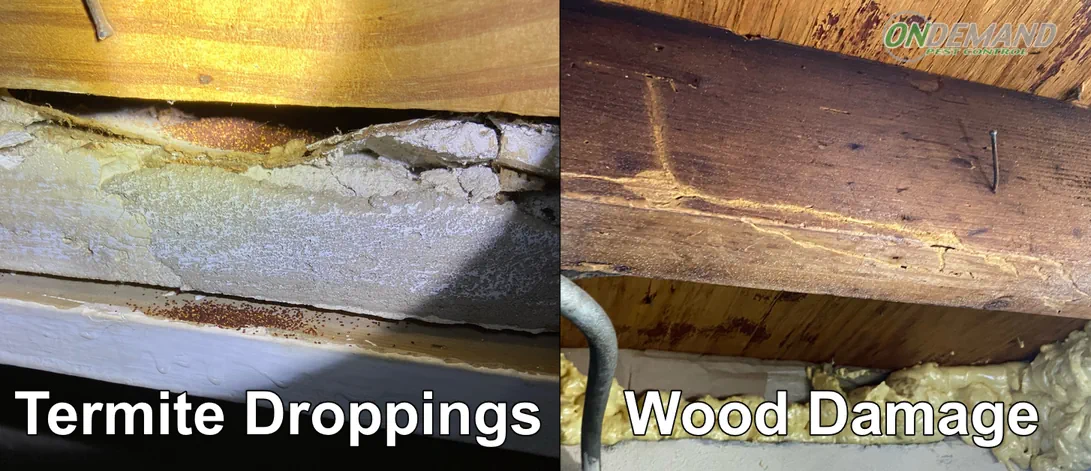
Start by learning to recognize the early signs of termites in Florida homes, including hollow-sounding wood, sagging floors, pinpoint holes in drywall, and visible frass (termite droppings). If you notice termite mud tubes along your foundation walls or crawl spaces, subterranean termites are likely the culprit.
Hire a licensed pest control company to perform a comprehensive WDO (Wood-Destroying Organism) inspection. This report will detail:
- Whether the infestation is active or inactive
- The type of termite species involved
- The location and extent of structural damage
- Recommended treatment and repair options
This inspection report becomes a critical document for your sale. It gives buyers transparency and protects you legally.
Understanding the Type of Termite Matters
Different termite species cause different types of damage, and knowing which species affected your home helps determine the right treatment and repair approach. Florida is home to subterranean, drywood, and Formosan termites — each with unique behaviors and damage patterns.
Drywood termites live inside the wood they consume, often going undetected for years. If your home has drywood termites, understanding how to get rid of drywood termites is essential before listing. Subterranean termites, on the other hand, cause more extensive structural damage because they maintain underground colonies and can infest large areas quickly. For a full breakdown of all species in the state, the complete guide to termite identification and control in Florida is an excellent resource.
Should You Repair Termite Damage Before Selling Your Home?
This is the biggest decision you’ll face. Repairing termite damage before listing costs money upfront, but it almost always leads to a higher sale price and faster closing. Selling as-is saves time but typically results in lower offers.
Here’s how the two approaches compare:
| Factor | Repair Before Selling | Sell As-Is |
|---|---|---|
| Sale Price | Near full market value | 10-30% below market value |
| Buyer Pool | Traditional buyers, FHA/VA eligible | Mostly cash buyers and investors |
| Time to Close | 30-60 days typical | 14-30 days with cash buyers |
| Upfront Cost | $2,000-$15,000+ depending on damage | Minimal |
| Legal Risk | Lower with documented repairs | Higher if damage isn’t fully disclosed |
When Repairs Make Financial Sense
If the termite damage is cosmetic or limited to non-structural elements like trim, baseboards, or window frames, repairs are usually affordable and worth every dollar. Replacing damaged wood, patching drywall, and repainting can cost a few thousand dollars but may add $10,000 or more to your sale price.
Structural repairs — such as replacing load-bearing beams, floor joists, or subfloor sections — are more expensive. However, if your home is in a desirable location and the market is strong, investing in structural repairs still typically yields a positive return. Get multiple contractor bids and compare the repair cost against your expected price reduction for selling as-is.
When Selling As-Is Is the Better Option
Sometimes the damage is so extensive that repairs would cost more than the value they add. If your home has widespread structural compromise, significant moisture damage from termite activity, or multiple infestation sites, selling as-is to an investor or cash buyer may be more practical.
Additionally, if you’re in a financial hardship, facing foreclosure, or need to relocate quickly, the speed of an as-is cash sale can outweigh the price difference. Just make sure any as-is sale still includes full disclosure of all known termite damage.
Termite Treatment Options Before Listing Your Home
Active termites are a deal-breaker for most buyers. Even investors will factor the cost of treatment into their offer. Treating the infestation before listing removes a major objection and shows buyers you’ve been proactive.
The right treatment depends on the termite species and severity of infestation. Common options include:
- Spot treatments: Targeted application for localized drywood termite infestations — cost-effective for small areas
- Liquid barrier treatments: Applied around the foundation to kill and repel subterranean termites
- Bait systems: Installed around the perimeter to eliminate subterranean termite colonies over time
- Fumigation (tenting): Whole-structure treatment for widespread drywood termite infestations
For serious infestations, treating drywood termites in Florida often requires fumigation, which can cost $1,200 to $3,000 or more depending on home size. Understanding termite treatment costs helps you budget properly before listing.
Keep all treatment receipts, reports, and warranties. These documents are gold during negotiations.
Florida Disclosure Requirements for Termite Damage
Florida sellers must complete a Seller’s Disclosure form that includes any known defects. Termite damage and active infestations fall squarely under this requirement. Failing to disclose can result in the buyer suing you after closing — even years later.
Here’s what you should disclose:
- Any past or current termite infestations
- All known termite damage, whether repaired or not
- Treatment history, including dates and methods used
- WDO inspection reports
- Any existing termite bonds or warranties
Complete honesty protects you legally and builds trust with buyers. Most experienced real estate agents will tell you that upfront disclosure actually helps sales — buyers respect transparency and are more likely to move forward when they feel informed rather than deceived.
What Happens If a Buyer's Inspection Reveals Termite Damage?
If you haven’t disclosed damage and a buyer’s inspector finds it, you’ll face a much harder negotiation. Buyers may demand steep price reductions, require you to pay for all treatment and repairs, or walk away entirely.
If you’ve already disclosed and treated the issue, a buyer’s inspection finding residual (repaired) damage is much less alarming. This is why proactive disclosure and treatment give you the upper hand in negotiations. Learning about what to do if you fail a termite inspection can help you navigate this situation calmly.
How Termite Damage Affects Your Home's Sale Price
The impact on your sale price depends on three factors: the extent of damage, whether it’s been treated and repaired, and your local market conditions.
Minor cosmetic damage with documented treatment may reduce your price by just 1-3%. Moderate structural damage with partial repairs could mean a 5-15% reduction. Extensive, unrepaired structural damage with active termites can push offers 20-30% below market value.
In hot Florida markets, the price impact tends to be smaller because demand is high. In slower markets, buyers have more leverage and will push for bigger discounts. Work with a real estate agent experienced in selling homes with pest damage — they’ll know how to price and position your listing competitively.
Tips to Sell Your Home With Termite Damage Faster
Selling a termite-damaged home requires a slightly different strategy than a standard listing. These tips help you attract serious buyers and close quickly.
Get a Pre-Listing Termite Inspection
Don’t wait for the buyer’s inspector to find problems. Order your own WDO inspection and share the results in your listing. This signals confidence and transparency. It also eliminates surprises during the buyer’s due diligence period.
Complete Treatment and Document Everything
Treat any active infestations and keep thorough records. Buyers want to see dated inspection reports, treatment invoices, contractor receipts for repairs, and any applicable warranties. A well-organized documentation packet can be the difference between a buyer moving forward or backing out.
Offer a Termite Bond or Warranty
One of the most powerful tools for closing a sale on a termite-damaged home is offering a termite bond at closing. A termite bond is a service agreement with a pest control company that covers future inspections and treatments. This gives buyers peace of mind that they won’t be stuck with unexpected termite costs after purchase.
Price Your Home Strategically
Price realistically. If you’ve completed repairs and treatment, you can price close to market value. If selling as-is, price below comparable homes to attract investor interest and generate competitive offers. Overpricing a termite-damaged home is the fastest way to let it sit on the market.
Selling a Home With Termite Damage to Different Buyer Types
Your buyer pool changes depending on the condition of your home and the financing options available.
Traditional Buyers With Mortgages
FHA and VA loans require homes to be free of active termite infestations and significant wood damage. If your home has been treated and repaired, these buyers can still qualify. However, unrepaired structural damage will disqualify the home from most government-backed financing. A VA loan termite inspection has specific requirements that sellers should understand.
Cash Buyers and Investors
Cash buyers don’t need lender approval, so they can purchase homes with active damage and structural issues. Real estate investors, house flippers, and “we buy houses” companies regularly purchase termite-damaged properties. Expect lower offers, but enjoy faster closings and fewer contingencies.
iBuyers and Corporate Buyers
Some iBuyer platforms will purchase homes with minor termite damage, but most have strict property condition requirements. Severe damage usually disqualifies you from these programs. Check each platform’s criteria before applying.
Preventing Termite Damage Before You're Ready to Sell
If you’re not selling immediately but know you will in the near future, now is the time to take preventive action. Catching termites early dramatically reduces damage and makes your eventual sale smoother.
Schedule annual termite inspections, especially in South Florida where termite pressure is year-round. Address moisture issues around your foundation, keep wood mulch away from your home’s exterior, and store firewood at least 20 feet from the structure. Understanding what attracts termites to your home helps you eliminate risk factors before they become expensive problems.
If you spot any signs of termites — swarmers, frass, mud tubes, or hollow-sounding wood — act immediately. Early treatment can mean the difference between a $500 spot treatment and a $5,000 fumigation. A proactive homeowner who invests in regular inspections and prompt treatment will always be in a stronger position when it’s time to sell.
Frequently Asked Questions
-
Is it legal to sell a house with termite damage in Florida?
Yes, it is completely legal to sell a house with termite damage in Florida. However, you are legally required to disclose all known termite damage and infestations to the buyer. Failing to disclose can result in lawsuits and financial penalties after the sale closes.
-
How much does termite damage reduce a home's value?
The reduction depends on the severity. Minor cosmetic damage with documented treatment may reduce your price by 1-3%. Moderate structural damage can lower offers by 5-15%. Extensive unrepaired damage with active termites may result in offers 20-30% below market value.
-
Can I sell my house with active termites?
You can sell with active termites, but your buyer pool shrinks significantly. Most mortgage lenders require homes to be free of active infestations. Cash buyers and investors will still purchase the home, though they'll factor treatment costs into a lower offer.
-
Should I pay for termite repairs before selling my home?
In most cases, yes. Repairing termite damage before listing allows you to price closer to market value and qualify for more buyer financing types. The exception is when damage is so extensive that repair costs exceed the value they add — in that case, selling as-is to an investor may be more practical.
-
Do I need a termite inspection before selling my house?
While not always legally required, a pre-listing WDO (Wood-Destroying Organism) inspection is strongly recommended. It identifies issues early, lets you address them proactively, and demonstrates transparency to buyers. Many buyers will require one during their due diligence anyway.
-
Will a termite bond help me sell a termite-damaged home?
Yes, offering a termite bond at closing is one of the most effective strategies for reassuring buyers. A termite bond is a service agreement that covers future inspections and treatments, giving the buyer confidence that they are protected from future infestations after purchase.