
Table of Contents
ToggleKey Takeaways
- Wait until your fumigation company issues a clearance certificate before re-entering your home — never go in early.
- Open all windows and doors immediately upon re-entry to ventilate any residual gas from the fumigation process.
- Clean all exposed surfaces, countertops, and dishes before using them to remove chemical residue.
- Dispose of any unsealed food, medications, or pet supplies that were left inside during treatment.
- Schedule a follow-up termite inspection within 30 days to confirm the fumigation was successful.
- Take preventive steps like reducing moisture, sealing wood, and scheduling annual inspections to avoid re-infestation in South Florida’s termite-heavy climate.
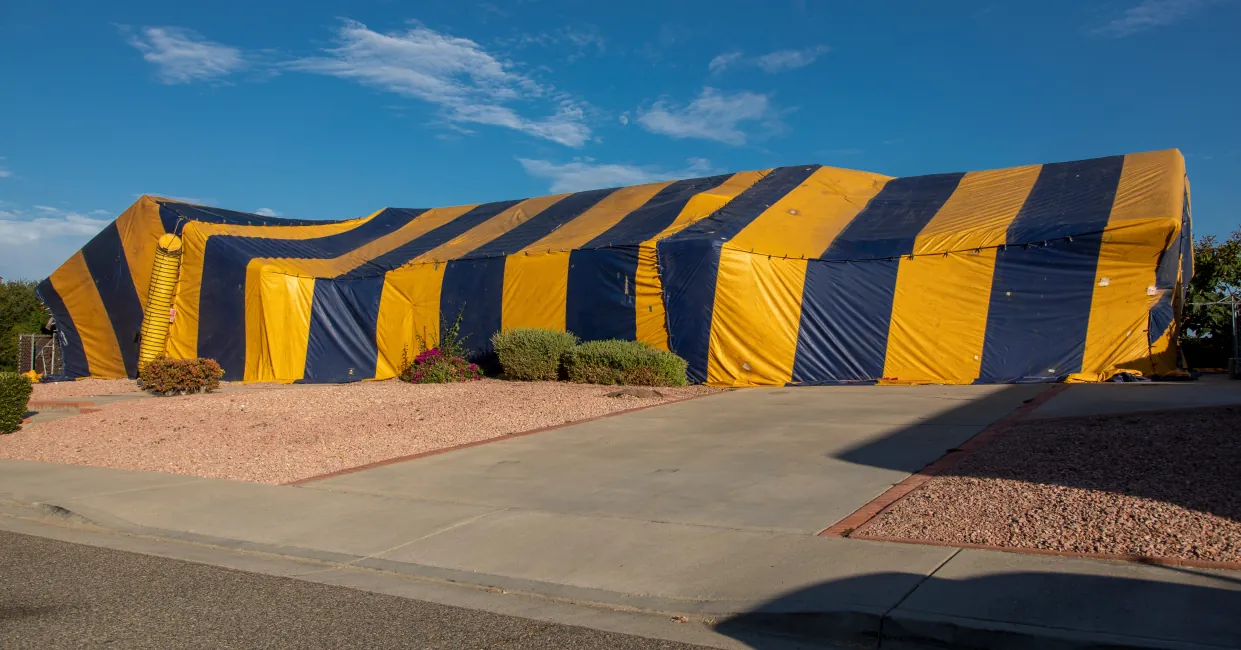
Figuring out what to do after termite fumigation can feel overwhelming — you’ve already dealt with the stress of vacating your home, and now you need to make it safe again. For South Florida homeowners, where termites thrive year-round in warm, humid conditions, fumigation is often the most effective treatment for severe infestations. But the process doesn’t end when the tent comes off. From safe re-entry and cleaning to food safety and long-term prevention, there are critical steps you must follow before your family, pets, and plants return to normal life. This guide walks you through everything you need to do after termite fumigation so your South Florida home is safe, clean, and protected against future infestations.
When Is It Safe to Re-Enter After Termite Fumigation?
The most important rule after termite fumigation is simple: do not re-enter your home until the licensed fumigation company gives you written clearance. This clearance certificate confirms that gas levels inside the structure have dropped to safe, habitable levels.
Fumigation for drywood termites typically uses sulfuryl fluoride (Vikane), a colorless, odorless gas. Once the tent is removed, the fumigator aerates the home and uses specialized equipment to measure gas concentrations in every room. This aeration process usually takes 24 to 72 hours depending on:
- The size of your home
- Weather and wind conditions
- The concentration of fumigant used
- Ventilation access throughout the structure
In South Florida’s hot, humid climate, aeration can sometimes move faster due to high temperatures. However, never assume your home is safe based on time alone. Always wait for the official clearance — it’s a legal requirement in Florida.
What Does the Clearance Certificate Mean?
The clearance certificate is a document from the fumigation company confirming that all areas of your home have been tested and the gas concentration is at or below 1 part per million (ppm). This is the threshold considered safe for human and animal occupancy by the Environmental Protection Agency (EPA). Keep this document for your records — you may need it for insurance, real estate transactions, or termite bond documentation.
How to Ventilate Your Home After Fumigation
Even after receiving clearance, your first action should be thorough ventilation. Open every window and door in the house as soon as you arrive. Turn on ceiling fans, exhaust fans in bathrooms and kitchens, and set your HVAC system to fan-only mode to circulate fresh air throughout the structure.
Aim for at least 2 to 4 hours of active ventilation before you start spending extended time indoors. This step helps flush out any trace amounts of fumigant that may linger in enclosed spaces like closets, cabinets, and attic areas.
Ventilation Checklist
- Open all exterior doors and windows
- Open all interior doors, including closets and pantries
- Open kitchen and bathroom cabinets
- Turn on all ceiling fans and exhaust fans
- Run the HVAC fan for at least 4 hours
- Open attic access panels if safely reachable
South Florida’s warm breezes can help speed up this process. If your home feels stuffy or has any unusual smell (which can come from secondary chemicals, not the fumigant itself), extend ventilation time before settling in.
What to Clean After Termite Fumigation
Cleaning your home after fumigation is essential — not because the gas itself leaves heavy residue, but because dust, dirt, and chemical traces can settle on surfaces during the multi-day process. A thorough cleaning protects your family and gives you peace of mind.
Kitchen and Food Prep Areas
Start with the kitchen. Wipe down all countertops, stovetops, and tables with warm soapy water or a mild disinfectant. Wash every dish, cup, utensil, and cooking surface that was left exposed during fumigation — even items stored inside cabinets. The fumigant gas penetrates sealed spaces, so nothing inside the structure is truly “sealed off” during treatment.
Run your dishwasher on a full hot cycle before using dishes again. Wipe down the inside of your refrigerator and freezer if they were left open (as many fumigation companies require).
Living Spaces and Bedrooms
Vacuum all carpets, rugs, and upholstered furniture. Wipe hard floors with a damp mop. Wash all bed linens, pillowcases, and blankets in hot water before sleeping on them. If you left clothing exposed in closets, run those items through a wash cycle as well.
Wipe down all hard surfaces — dressers, nightstands, shelves, and light switches — with a damp cloth. Pay special attention to children’s rooms and nurseries where kids may touch surfaces and put hands in their mouths.
Bathrooms
Clean all bathroom surfaces including sinks, countertops, toilet seats, and shower walls. Replace any toothbrushes, razors, or personal hygiene items that were left out. Run water through all faucets for 2 to 3 minutes to flush the plumbing lines.
Food Safety After Termite Fumigation: What to Keep and Toss
One of the most common concerns after fumigation is food safety. The general rule is straightforward: if it wasn’t double-bagged in special Nylofume bags provided by your fumigation company, throw it away.
Items that should be discarded include:
- Any opened food packages (chips, cereal, crackers, bread)
- Fresh fruits and vegetables left on counters
- Unsealed pet food or treats
- Medications, vitamins, and supplements not stored in Nylofume bags
- Opened beverages and condiments
Items that are generally safe to keep include:
- Factory-sealed cans and jars with intact seals
- Unopened bottles with unbroken caps (water, soda, wine)
- Any food or medicine properly double-bagged in Nylofume bags before fumigation
When in doubt, throw it out. The cost of replacing groceries is far less than the risk of ingesting chemical residue. If you’re preparing for effective termite tenting, plan your food storage and removal ahead of time to minimize waste.
Bringing Pets and Plants Back After Fumigation
Pets are especially sensitive to fumigant chemicals. Never bring pets back into the home until you’ve received the clearance certificate and completed ventilation. This includes dogs, cats, birds, fish, reptiles, and any other animals.
Special Considerations for Pets
Birds are extremely sensitive to airborne chemicals and should be the last pets brought back. If you have an aquarium, the tank should have been removed or fully sealed before fumigation. Replace aquarium water entirely if there’s any chance gas reached the tank. Wash all pet bowls, beds, toys, and accessories before your animals use them again.
Watch pets closely for the first 24 hours after returning. Signs of chemical exposure include lethargy, vomiting, difficulty breathing, or loss of appetite. Contact your veterinarian immediately if you notice any unusual behavior.
Outdoor and Indoor Plants
Most indoor plants should have been removed before fumigation. If any were left inside, inspect them carefully. Wilted or discolored foliage suggests chemical damage. Water plants thoroughly and place them in fresh air for several hours before bringing them back indoors. Outdoor plants near the tent may also show some stress, but they typically recover on their own within a week or two.
How to Confirm Fumigation Was Successful
Fumigation has an excellent success rate for drywood termites — typically above 99% when performed correctly. However, confirmation is still important, especially in South Florida where drywood termites are extremely common and reinfestation pressure is constant.
Schedule a follow-up inspection with your pest control provider within 30 days of fumigation. During this inspection, the technician will look for:
- New frass (termite droppings) below known infestation sites
- Fresh termite exit holes in wood
- Any live termite activity in previously treated areas
- Signs of new colonies from surrounding properties
If you notice tiny pellets that resemble sand or pepper accumulating on windowsills or floors after fumigation, that could be old frass dislodged during the process — or it could signal surviving termites. Don’t panic, but do document it and report it to your pest control company. Understanding what termite droppings look like will help you tell the difference between old debris and fresh activity.
What to Do After Termite Fumigation to Prevent Re-Infestation
Fumigation eliminates the current termite population inside your home, but it leaves zero residual protection. That means new termites can begin colonizing your home the very next day. In South Florida, where drywood termites swarm from spring through fall, prevention is not optional — it’s essential.
Reduce Moisture and Wood Exposure
Termites are attracted to moisture and accessible wood. Fix any plumbing leaks immediately. Ensure your home’s exterior drainage directs water away from the foundation. Keep mulch, firewood, and wood debris at least 3 feet from your home’s perimeter. Seal any gaps around windows, doors, and utility penetrations where flying termites could enter. For a deeper look at risk factors, read about what attracts termites to your home.
Schedule Annual Termite Inspections
The single best thing you can do after fumigation is commit to annual professional termite inspections. A trained inspector can catch early signs of termites before they cause serious damage. Early detection means smaller treatments — often localized spot treatments instead of full-structure fumigation again.
For a comprehensive understanding of the termite threats specific to our region, review the complete guide to termite identification and control in Florida. This resource covers all major species, their behaviors, and the most effective control strategies for South Florida homeowners.
Consider a Termite Protection Plan
Many pest control companies in South Florida offer annual termite protection plans or termite bonds that include regular inspections and retreatment guarantees. These plans provide ongoing monitoring and cover future treatment costs if termites return. Given how much fumigation costs, a protection plan is a smart investment to avoid paying for a second tent job. If you’re unsure about the best ongoing approach, learning how often you need termite treatment can help you plan and budget accordingly.
Post-Fumigation Timeline: What to Expect Week by Week
| Timeframe | Action Items |
|---|---|
| Day 1 (Re-entry Day) | Receive clearance certificate, open all windows/doors, begin ventilation, start surface cleaning |
| Day 1-2 | Deep clean kitchen, bathrooms, and bedrooms; discard unsealed food; wash linens and dishes |
| Day 2-3 | Bring back pets and plants; flush all plumbing; inspect for any property damage from tenting |
| Week 1-2 | Monitor for any signs of termite activity (frass, exit holes); document and photograph anything unusual |
| Day 30 | Schedule and complete follow-up termite inspection |
| Ongoing | Maintain annual inspections, reduce moisture, seal entry points, consider a termite bond |
Following this timeline ensures nothing falls through the cracks. Each step builds on the last, moving you from safe re-entry to long-term protection.
Frequently Asked Questions
-
How long after termite fumigation is it safe to go inside?
You should only re-enter your home after the fumigation company issues a clearance certificate. This typically takes 24 to 72 hours after the tent is removed. The certificate confirms gas levels are at or below 1 part per million, which is considered safe by the EPA.
-
Do I need to wash everything after termite fumigation?
Yes, you should wash all exposed dishes, utensils, linens, and clothing. Wipe down all countertops, tables, and hard surfaces with warm soapy water. While sulfuryl fluoride dissipates quickly, cleaning removes any dust or trace residue that settled during the fumigation period.
-
Is food safe after fumigation if it was in the refrigerator?
Refrigerators are not airtight, so fumigant gas can penetrate them. Any food not sealed in Nylofume bags should be discarded. Factory-sealed cans and unopened bottles with intact seals are generally safe, but opened items or loose produce in the fridge should be thrown away.
-
Can termites come back after fumigation?
Yes, termites can re-infest your home after fumigation because the treatment leaves no residual chemical barrier. New drywood termite swarmers can enter your home within days. That's why ongoing prevention — annual inspections, sealing entry points, and moisture control — is essential for South Florida homeowners.
-
What should I look for after termite fumigation to know if it worked?
Monitor for fresh frass (tiny wood-colored pellets) below known infestation sites and new exit holes in wood. Some old frass may fall during or after treatment, which is normal. If you see new accumulations appearing weeks after fumigation, contact your pest control company for a follow-up inspection immediately.
-
How much does it cost to fumigate a house in South Florida?
Whole-structure fumigation in South Florida typically ranges from $1,200 to $3,500 or more depending on the size of your home and the severity of the infestation. Larger homes and severe infestations can push costs higher. Many companies offer termite bonds or protection plans that include retreatment guarantees to reduce future expenses.