
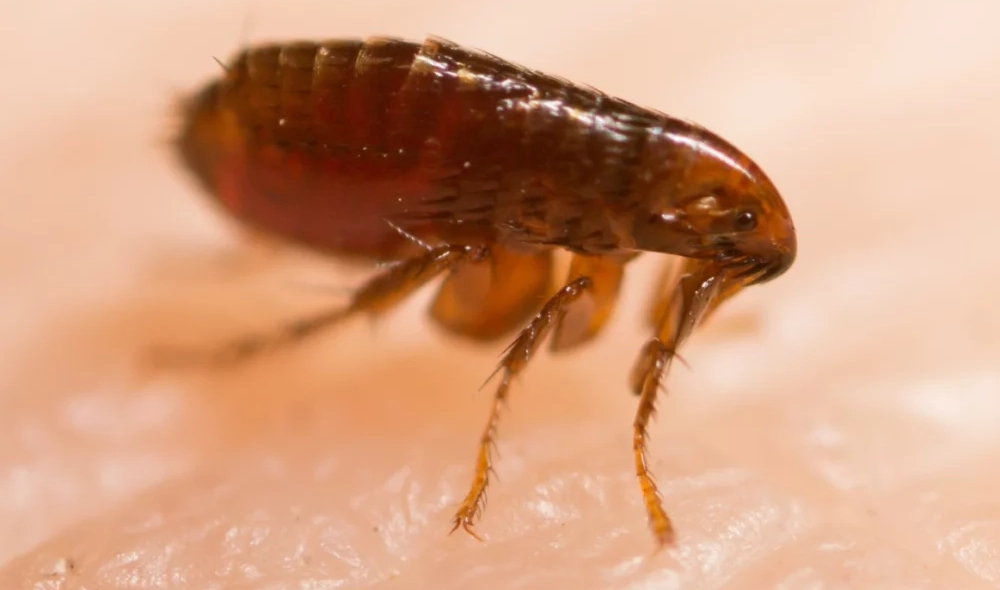
What Do Fleas Look Like? Identify Fleas at Every Life Stage
At a glance Adult fleas are wingless, reddish-brown and narrow from side to side. Identify specimens and inspect each life stage without using bite patterns
At a glance Adult fleas are wingless, reddish-brown and narrow from side to side. Identify specimens and inspect each life stage without using bite patterns
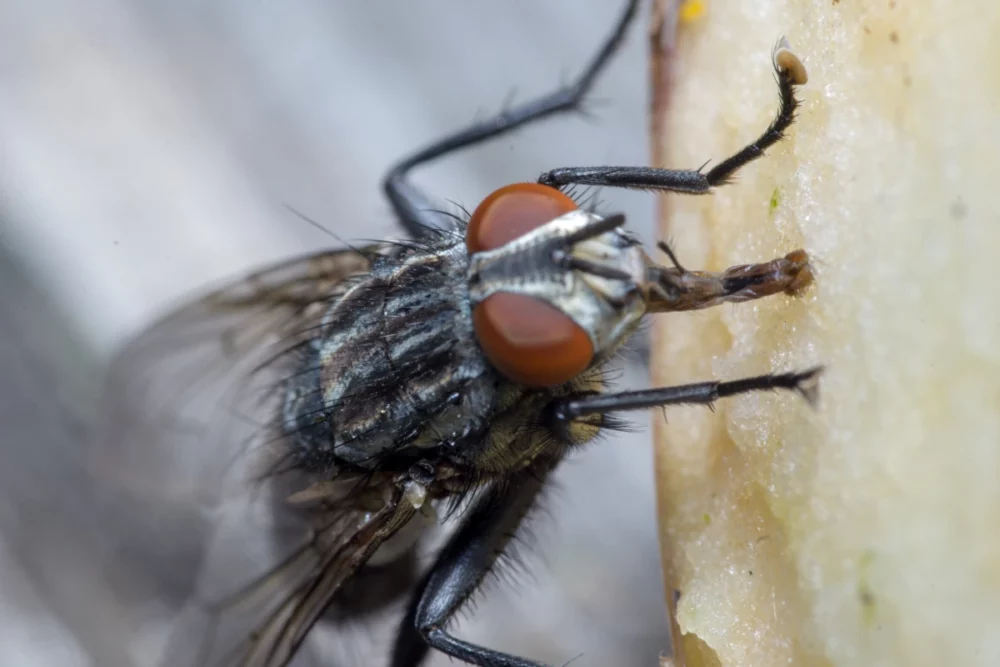
At a glance Identify the fly and relevant breeding material, distinguish indoor development from outside arrivals, and monitor after suitable source cleanup. Key Takeaways Flies

At a glance Identify small flies around plants and inspect moist growing media. Separate fungus-gnat evidence from fruit or drain sources before choosing suitable plant
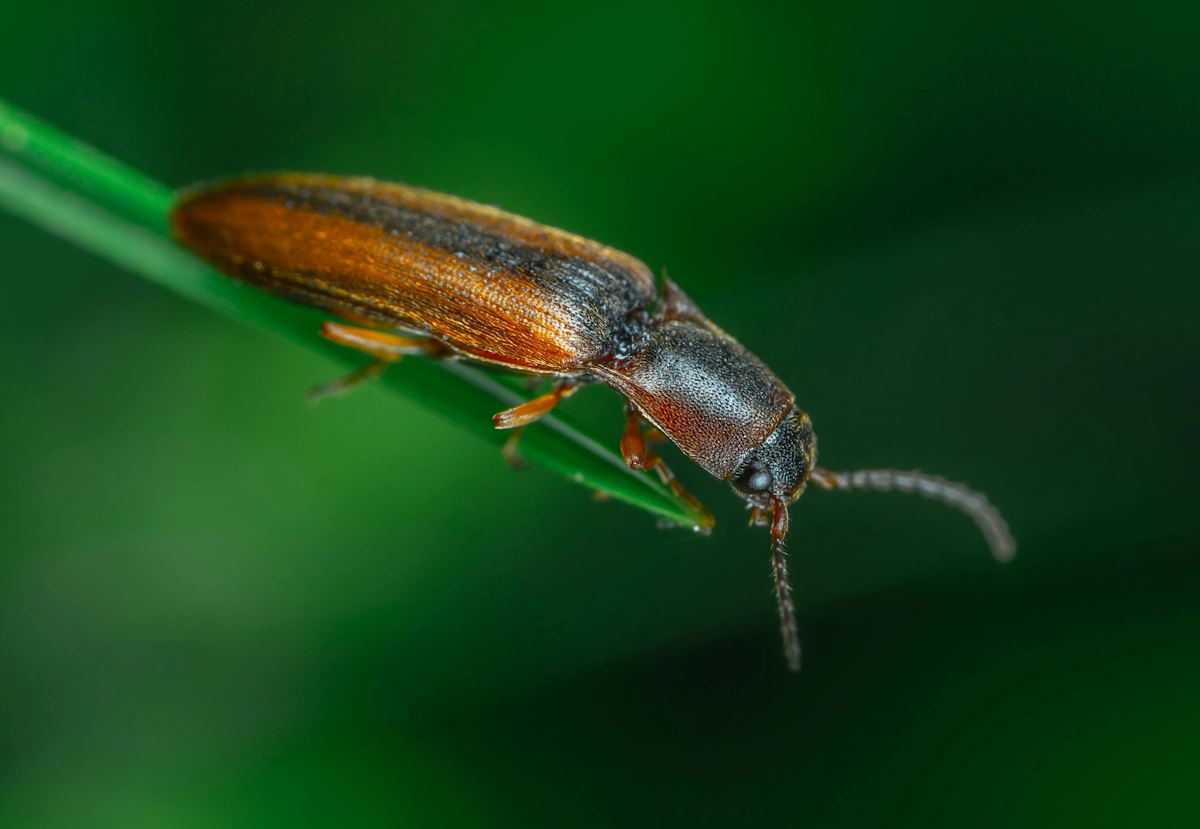
At a glance Identify a click beetle before responding. Inspect observed entry and lighting patterns; a wandering adult does not establish damaging larvae in the
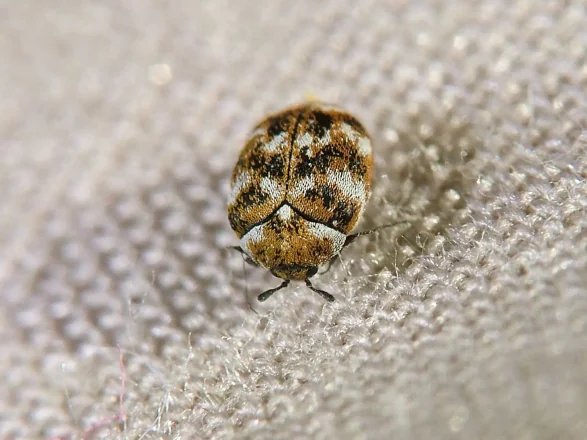
At a glance Confirm carpet-beetle evidence and inspect larval food in a vehicle. Clean compatible materials without damaging safety systems or assuming a pesticide label
At a glance Carpet-beetle larvae may damage susceptible materials and irritate sensitive skin. Identify the insect and food source, and keep medical symptom assessment separate.
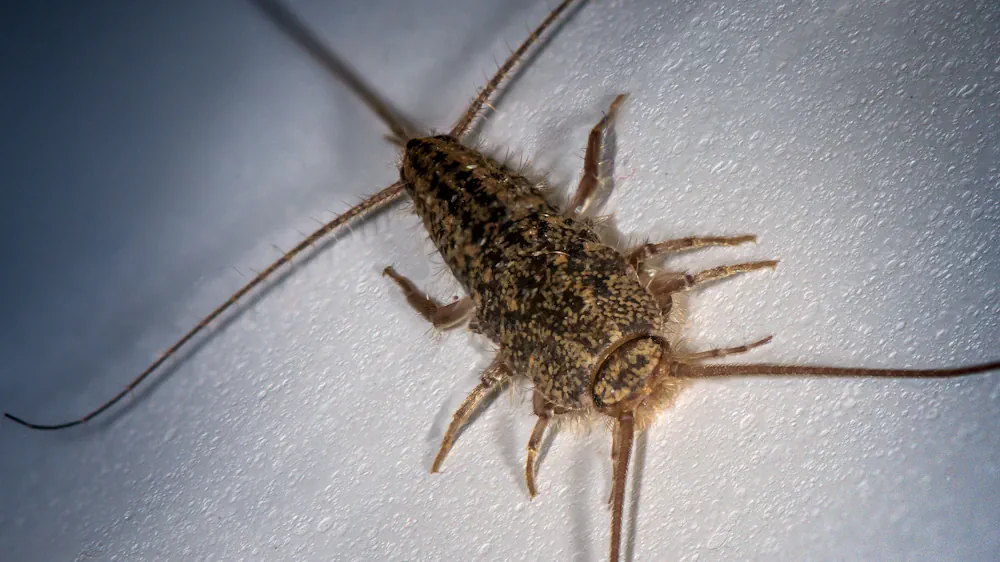
At a glance Identify silverfish and inspect susceptible stored materials and avoidable moisture. Diet and damage evidence guide suitable storage, cleaning and monitoring. Key Takeaways
At a glance A flea’s host-free survival depends on its stage and conditions. Vacancy is not clearance; protected adults can emerge after cleaning or treatment.
At a glance Fleas are wingless. Their spring-powered jumps and travel on animals explain movement, but a jumping speck still needs identification. Key Takeaways Fleas
At a glance Aromatic garden plants do not form a reliable mosquito barrier. Maintain water-holding containers, inspect actual habitat and use appropriate personal protection. Key
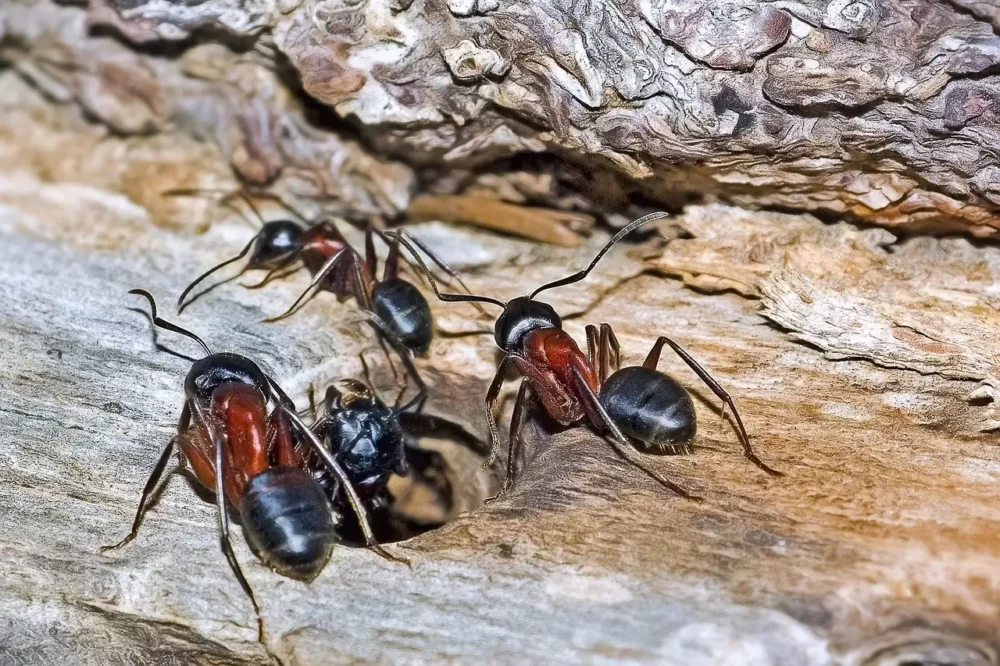
At a glance Confirm carpenter ants, inspect actual nesting evidence and keep bite or damage questions separate from a sighting. Management depends on the identified
At a glance Inspect carpenter-ant activity, accessible nesting evidence, moisture and access. Ask for species-specific management and monitor outcomes rather than a quick-control guarantee. Key
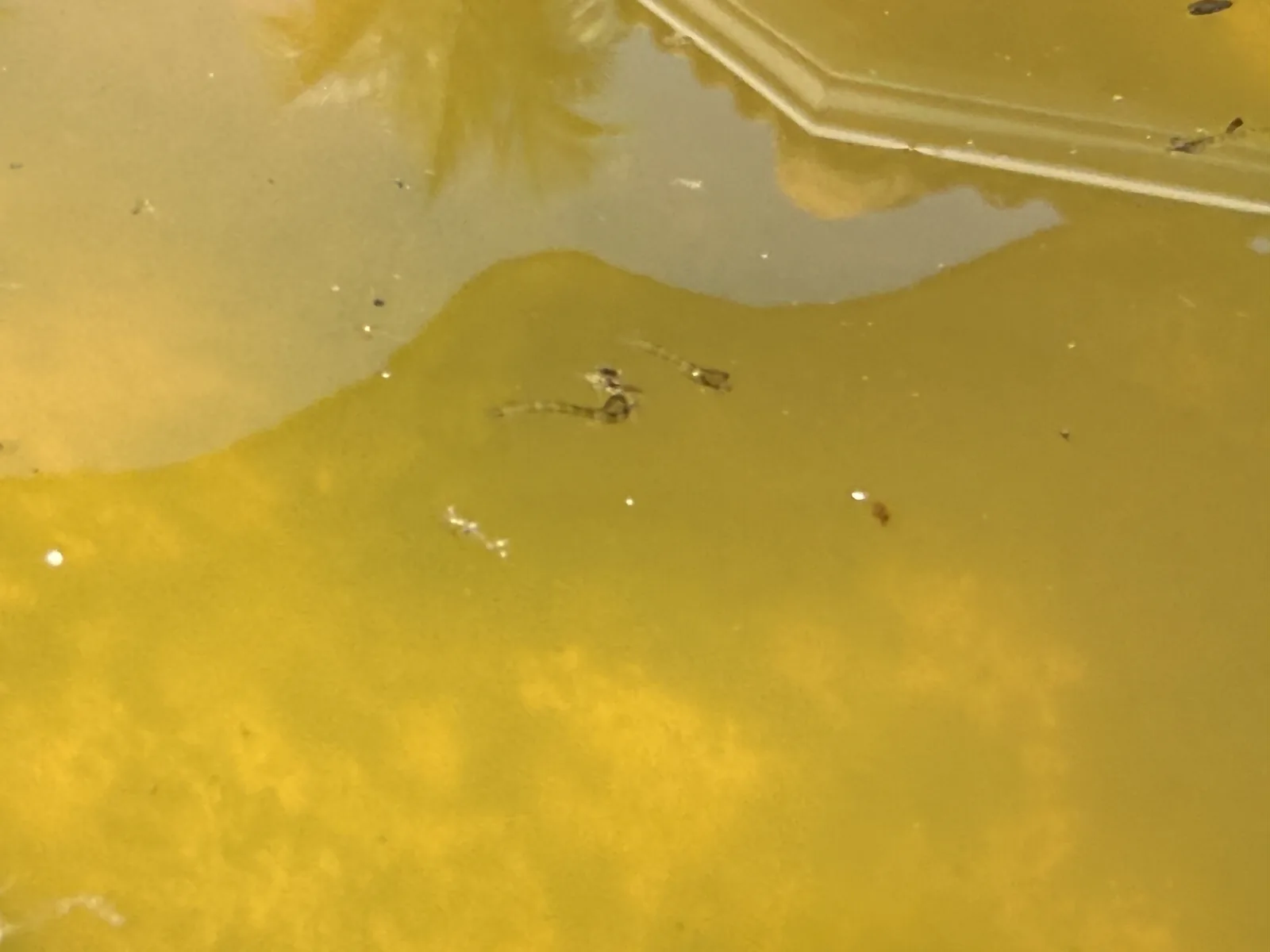
At a glance Inspect water-holding sites and maintain removable containers. Mosquito development depends on species and conditions; source reduction does not guarantee freedom from bites
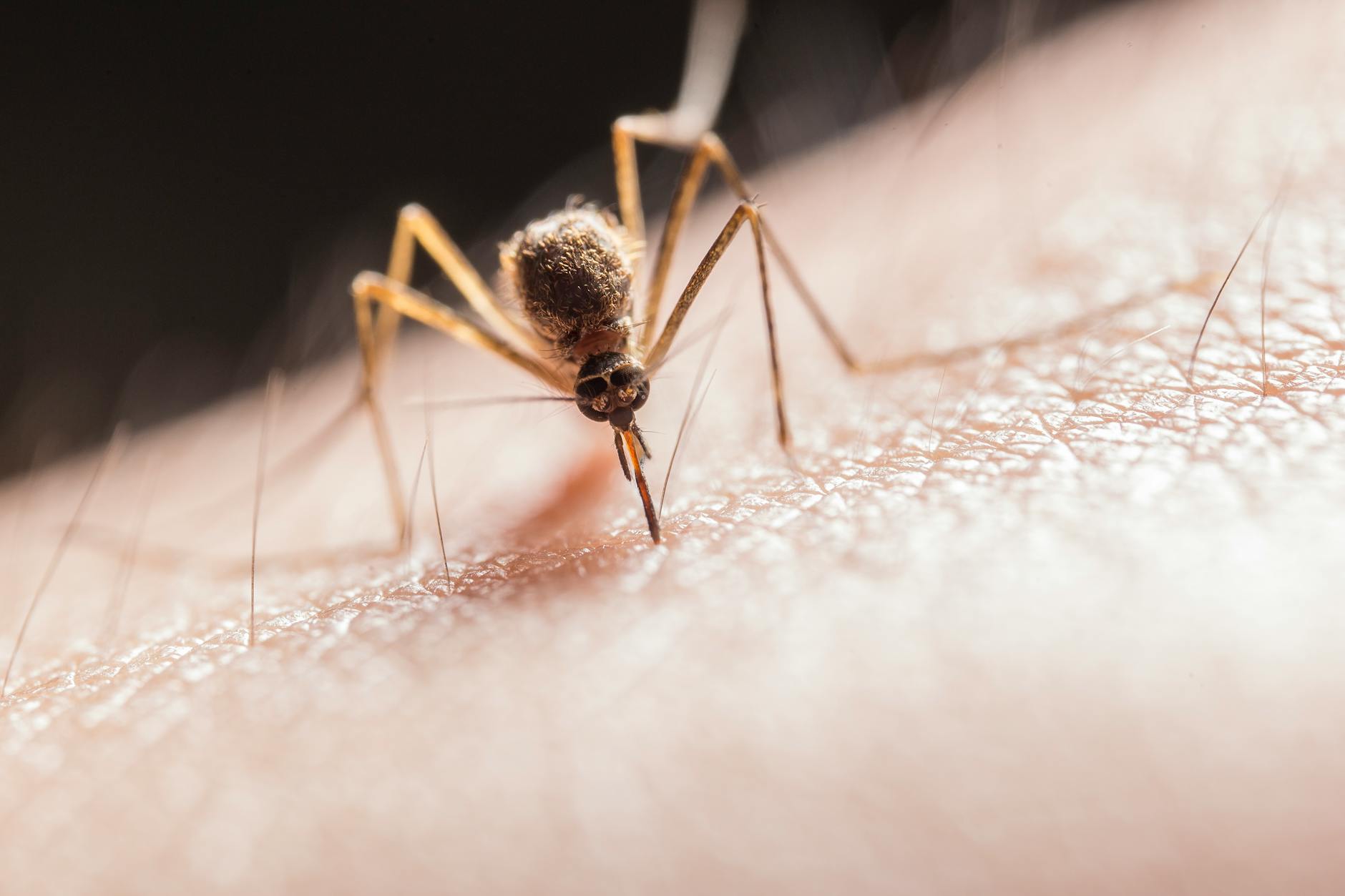
At a glance Inspect damaged screens, entry opportunities and water-holding sites when mosquitoes are found indoors. Activity varies by species, weather and location. Key Takeaways
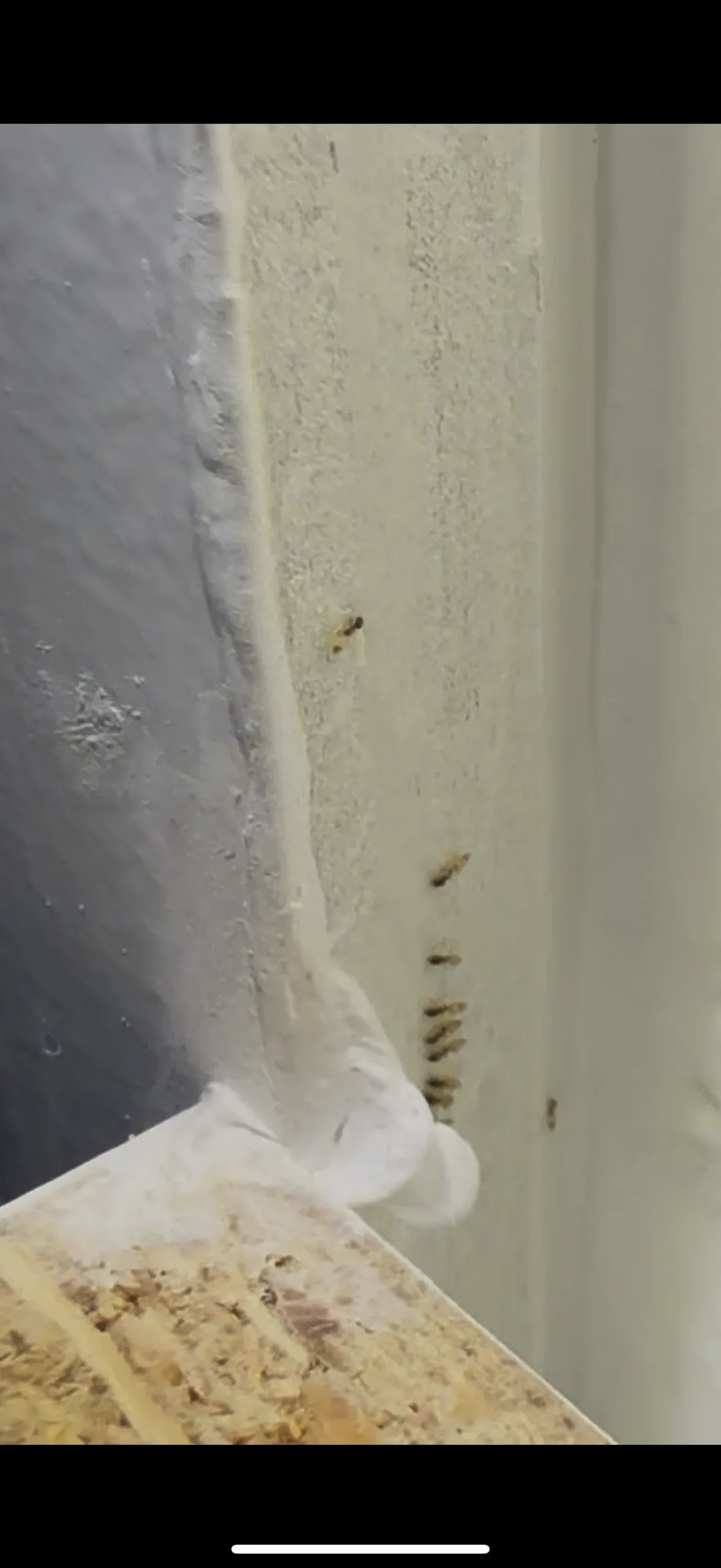
At a glance Household cinnamon is not established here as reliable ant-colony control. Identify the ants and inspect food, access and nesting evidence before choosing
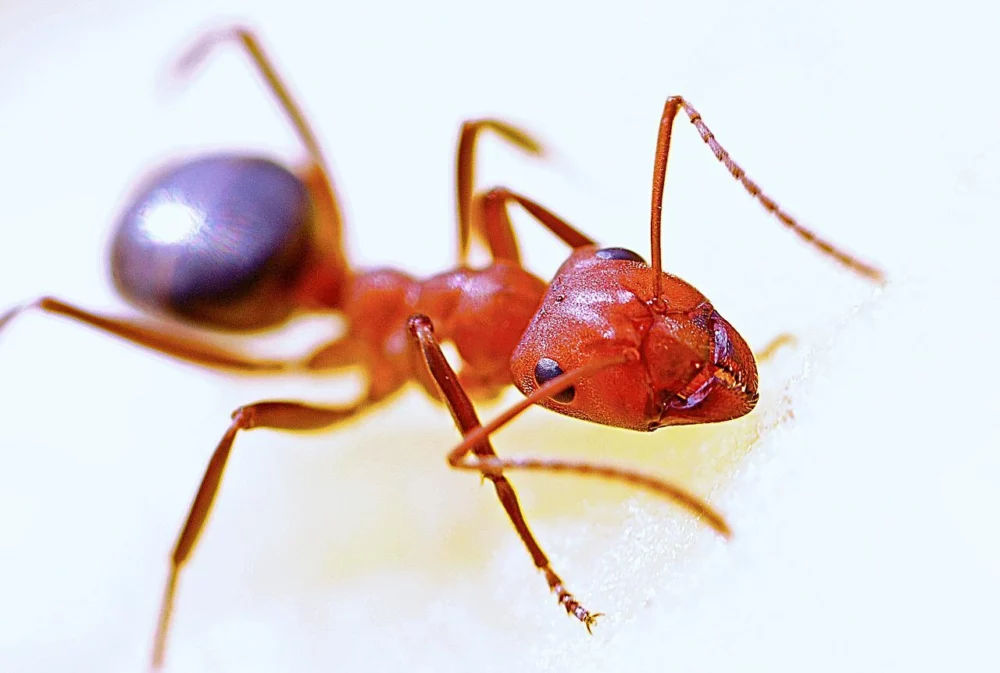
At a glance Ant color does not identify a species or establish colony membership. Interpret observations cautiously and choose management for the actual ants and
At a glance Learn how ectothermy shapes iguana basking, cold-weather behavior and safe property decisions. Yes—iguanas are ectothermic. They depend strongly on outside heat sources
At a glance Iguanas can escape quickly by land, trees or water. Learn why a precise speed claim matters less than safe property management. The
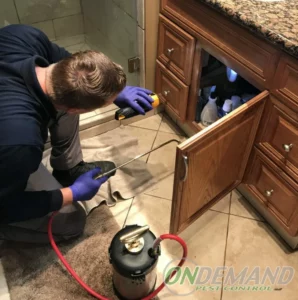
A kitchen staple can be useful for cleaning without being an effective infestation treatment. The question is what pest is present, where it develops and what the proposed action can accomplish. Removing food residue, repairing a leak and sealing an entry gap have different purposes from killing an insect already in the room.

At a glance Recognize Florida mud daubers and their different mud nests, understand spider provisioning and development, and assess nuisance nests without disturbing active insects.
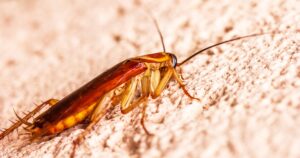
At a glance Cockroach reproduction varies by species and habitat. Nymphs and egg cases justify prompt identification and monitored control, not a theoretical annual population