Table of Contents
ToggleKey Takeaways
- Pompano Beach’s warm, humid coastal climate creates year-round conditions that attract drywood termites to homes.
- Sealing cracks, screening vents, and maintaining wood surfaces are the most effective preventive steps for local homeowners.
- Drywood termite swarms peak in Pompano Beach from late spring through early fall, making seasonal inspections critical.
- Tiny fecal pellets, discarded wings near windows, and small kick-out holes are the earliest warning signs of an infestation.
- Annual professional termite inspections are the single best investment to catch drywood termites before they cause costly damage.
Preventing drywood termites in Pompano Beach starts with understanding why this coastal Broward County city is a prime target. Warm temperatures that rarely dip below 60°F, salt-tinged humidity, and an abundance of older wood-frame homes give termites exactly what they need to thrive. Unlike subterranean species that tunnel up from the soil, drywood termites fly directly into exposed wood and establish colonies inside your walls, attic framing, and furniture—often without any visible sign for years. In this guide, you’ll learn the specific conditions in Pompano Beach that fuel drywood termite activity, actionable prevention strategies you can start today, and when to call a professional before minor damage turns into a major repair bill.
Why Pompano Beach Is a Hotspot for Drywood Termites
Pompano Beach sits along the southeastern Florida coast, where average annual temperatures hover between 75°F and 85°F. That warmth, combined with relative humidity that often exceeds 70%, creates an environment where drywood termites remain active 365 days a year. Many cities farther north see reduced termite pressure in winter. In Pompano Beach, there is no true off-season.
The city’s housing stock adds to the risk. Neighborhoods like Palm Aire, Cypress Bend, and Cresthaven feature homes built in the 1960s through 1980s with exposed wood fascia, soffit panels, and older window frames. These aging materials are especially vulnerable because paint seals crack over time, giving swarming termites easy entry points. Even newer construction along the Intracoastal waterfront is at risk when builders use untreated wood trim.
If you want a deeper understanding of how these pests arrive at your doorstep, read about where termites come from and the pathways they use to reach your home.
How Drywood Termites Enter Pompano Beach Homes
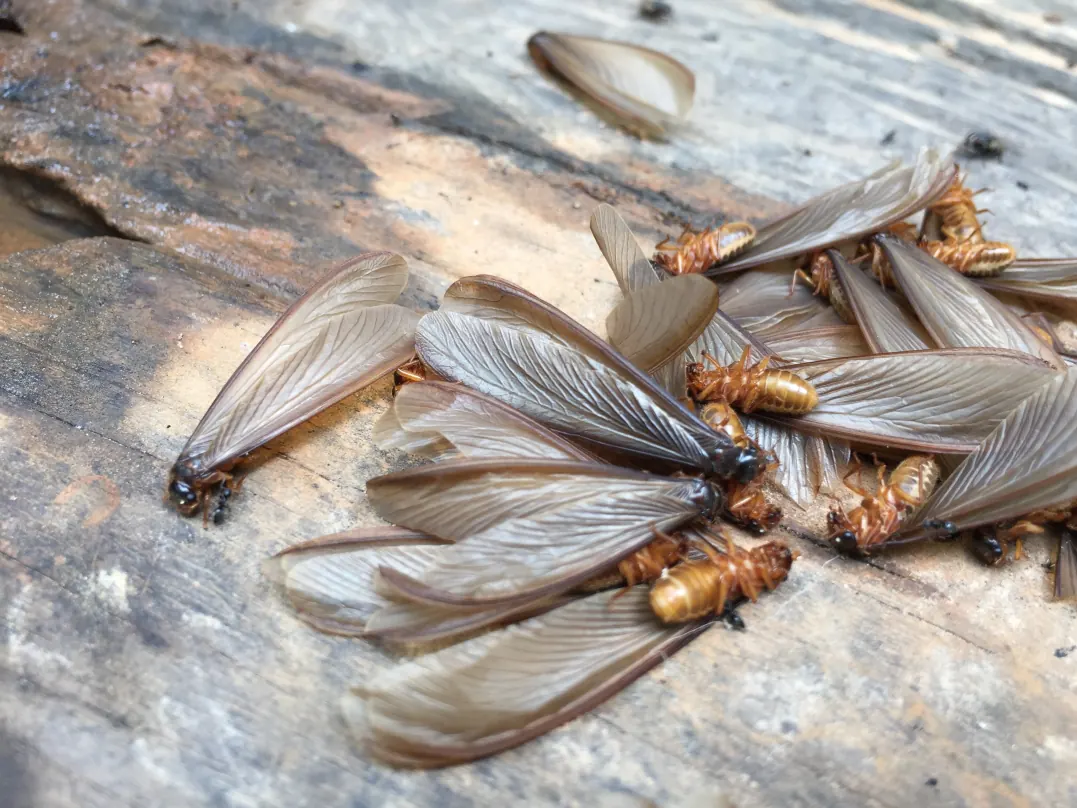
Drywood termites don’t need soil contact or moisture tubes. Instead, reproductive swarmers—winged termites called alates—fly to a home, shed their wings, and bore directly into exposed wood. In Pompano Beach, drywood termite swarms in Florida are most intense from April through July, though secondary swarms can occur into November.
Common entry points include:
- Gaps around door frames and window casings
- Unscreened attic and soffit vents
- Cracks in exterior wood siding or fascia boards
- Exposed end-grain cuts on rafters, trusses, and eaves
- Second-hand furniture or reclaimed wood brought into the home
Once inside, a mated pair hollows out a small chamber and begins laying eggs. A single colony can grow for three to five years before producing visible evidence. Understanding how common drywood termites are in Florida underscores why proactive prevention matters so much in coastal cities like Pompano Beach.
Early Warning Signs Every Pompano Beach Homeowner Should Know
Prevention is always the goal, but early detection is the next best line of defense. Drywood termites leave behind subtle clues that are easy to miss if you don’t know what to look for. Familiarize yourself with the early signs of termites in Florida homes so you can act fast.
Frass (Fecal Pellets)
Drywood termites push tiny, six-sided fecal pellets out of their galleries through small “kick-out” holes. These pellets look like coarse sand or ground pepper and often collect on windowsills, baseboards, or below ceiling joints. In Pompano Beach, homeowners frequently spot frass near attic access panels and garage door headers.
Discarded Wings and Swarmers
After a swarm event, you may find piles of translucent wings near light sources—window ledges, porch lights, or sliding glass doors. If you see live swarmers inside your home, that typically indicates an existing colony rather than an outdoor swarm that wandered in. For more detail, review the complete guide to termite identification and control in Florida.
Hollow or Blistered Wood
Tap along door frames, baseboards, and window trim with a screwdriver handle. Wood that sounds hollow or feels soft may contain internal galleries. Blistered or bubbling paint on a wood surface can also indicate feeding just beneath the finish.
Proven Strategies to Prevent Drywood Termites in Pompano Beach
The best defense combines physical barriers, material choices, and routine maintenance tailored to Pompano Beach’s coastal conditions. Below is a practical checklist you can follow season by season.
Seal Every Potential Entry Point
Walk the exterior of your home and caulk or weatherstrip any gap wider than 1/16 of an inch. Pay special attention to:
- Window and door frame joints
- Where utility lines enter the wall
- Transition points between stucco and wood trim
Install fine-mesh screens (20-gauge or smaller) over attic vents, soffit openings, and foundation vents. These allow airflow while blocking swarmers.
Maintain and Protect Exposed Wood
Pompano Beach’s salt air and UV exposure break down paint and sealant faster than inland areas. Repaint or reseal all exterior wood surfaces every three to five years. Focus on fascia boards, eaves, porch railings, and garage door trim. When replacing damaged wood, choose pressure-treated lumber or composite materials that drywood termites cannot feed on.
Inspect Furniture and Stored Items
Drywood termites can hitch a ride inside second-hand furniture, picture frames, or reclaimed wood. Before bringing any wooden item into your home, inspect it closely for frass, tiny holes, or hollow spots. This is especially important at estate sales, antique shops, and storage units common throughout Broward County.
Control Indoor Lighting During Swarm Season
Swarmers are attracted to light. During peak swarm months (April through July), switch outdoor fixtures to yellow or sodium-vapor bulbs. Keep windows and doors closed at dusk, or ensure screens are intact. Drawing blinds during evening hours reduces the light that pulls swarmers toward your home.
Seasonal Prevention Calendar for Pompano Beach
| Season | Key Actions |
|---|---|
| Spring (Mar–May) | Schedule a professional inspection before peak swarm season. Seal cracks and repaint any peeling wood trim. |
| Summer (Jun–Aug) | Check attic framing and window sills for frass. Replace damaged screens and reduce exterior lighting at night. |
| Fall (Sep–Nov) | Inspect stored furniture and garage wood. Watch for secondary swarm events after heavy rains. |
| Winter (Dec–Feb) | Apply fresh sealant to exposed end-grain wood. Clear debris from around the roofline and soffits. |
Following this calendar keeps your home protected during every phase of drywood termite activity in Pompano Beach.
What to Do If You Find Drywood Termites in Your Home
If you discover frass, kick-out holes, or live swarmers inside your Pompano Beach home, don’t panic—but do act quickly. Small, isolated infestations can sometimes be treated with localized methods like spot treatments or heat application. Larger or multi-colony infestations may require whole-structure fumigation. Learn the full range of options in our guide on how to get rid of drywood termites.
Attempting a DIY fix on a confirmed colony often allows the infestation to spread deeper into wall cavities and roof framing. A licensed pest professional can pinpoint every affected area with moisture meters, acoustic detection, and visual inspection—tools most homeowners don’t have access to.
Why Professional Termite Inspections Matter in Pompano Beach
Annual termite inspections are the most cost-effective prevention tool available. A trained technician will examine your attic, crawl spaces, garage framing, door and window trim, and other high-risk zones specific to coastal Broward County homes. They can spot the earliest evidence of drywood termite activity months—sometimes years—before damage becomes visible to the untrained eye.
Inspections also protect your property value. If you’re buying or selling a home in Pompano Beach, a clean termite report is often required by lenders. Knowing what to expect can make the process smoother; check out our resource on what a termite bond covers and how it can safeguard your investment long-term.
On Demand Pest Control serves Pompano Beach and the surrounding Broward County area with thorough termite control services, from free inspections to full treatment plans. Whether you need a preventive assessment or an active infestation eliminated, our local team is ready to help protect your home.
Frequently Asked Questions
-
How often should I inspect my Pompano Beach home for drywood termites?
At minimum, schedule a professional termite inspection once a year. In coastal Pompano Beach, where termite pressure is high year-round, many pest control companies recommend biannual inspections—once in early spring before swarm season and once in the fall.
-
Can drywood termites damage concrete-block homes in Pompano Beach?
Drywood termites do not eat concrete or stucco. However, most concrete-block homes still contain wood roof trusses, door frames, window casings, cabinets, and baseboards. These wood components are all potential targets for drywood termite colonies.
-
What is the difference between drywood and subterranean termites in South Florida?
Drywood termites live entirely inside the wood they eat and do not need soil contact. Subterranean termites nest underground and build mud tubes to reach above-ground wood. Both species are active in Pompano Beach, but drywood termites are especially common in attics and upper-story framing.
-
Do drywood termites cause as much damage as subterranean termites?
Subterranean colonies are larger and generally cause damage faster. However, drywood termites are harder to detect because they leave fewer external signs. Over several years, an undetected drywood colony can compromise structural wood, leading to repairs that cost thousands of dollars.
-
Are there natural ways to prevent drywood termites in Pompano Beach?
Physical prevention—sealing entry points, screening vents, and maintaining paint on exterior wood—is the most effective natural approach. Borate-treated wood offers long-term protection without ongoing chemical applications. However, once an active colony is established, professional treatment is almost always necessary.