Table of Contents
ToggleKey Takeaways
- Hollywood, FL’s warm, humid climate makes it one of the highest-risk areas for termite infestations in the United States.
- Drywood, subterranean, and Formosan termites all actively threaten Hollywood properties year-round.
- Early detection through regular inspections can save homeowners thousands of dollars in structural repairs.
- Professional termite treatment is the most reliable way to eliminate colonies and prevent reinfestation in South Florida.
- Hollywood homeowners should schedule annual termite inspections and maintain preventive treatments to protect property value.
Termite control in Hollywood, FL isn’t optional — it’s a necessity for every property owner in this coastal Broward County city. Hollywood’s tropical climate, with year-round warmth and heavy humidity, creates a paradise for termites that silently destroy homes from the inside out. Each year, these wood-destroying insects cause billions of dollars in damage across Florida, and Hollywood sits squarely in the state’s highest-risk zone. Whether you own a mid-century home near Hollywood Beach, a newer build in Emerald Hills, or a commercial property along Young Circle, termites don’t discriminate. This guide explains why termite control matters specifically in Hollywood, which species pose the greatest threat, and what you can do to safeguard your property before costly damage occurs.
Why Hollywood, FL Faces a Severe Termite Risk
Hollywood, Florida sits in USDA Termite Infestation Probability Zone 1 — the highest risk category in the country. Several local factors make termite control in Hollywood, FL an urgent concern for property owners.
First, the climate plays a major role. Hollywood averages over 60 inches of rainfall annually, and relative humidity regularly exceeds 70%. Termites thrive in moist conditions, and this constant warmth means they remain active 365 days a year. Unlike northern states where cold winters slow termite activity, Hollywood offers no natural break in the cycle.
Second, the city’s geography contributes to the problem. Hollywood borders the Intracoastal Waterway and the Atlantic Ocean. Properties near these bodies of water experience elevated soil moisture, which attracts subterranean termites. Older neighborhoods along Hollywood Boulevard and Harrison Street feature mature trees and aging wood structures — both magnets for termite colonies.
Third, many Hollywood homes were built between the 1950s and 1980s. These older structures often lack modern termite barriers and may have accumulated decades of hidden damage. Even newer construction in developments like Hollywood Hills or Oakridge isn’t immune, especially if builders didn’t install proper pre-treatment systems. Understanding where termites come from helps property owners recognize why Hollywood is so vulnerable.
Which Termite Species Threaten Hollywood Properties?
Hollywood homeowners face threats from three primary termite species. Each behaves differently, attacks different parts of your home, and requires distinct treatment approaches. Knowing what you’re dealing with is the first step toward effective control.
Drywood Termites
Drywood termites are the most common species found inside Hollywood homes. They don’t need soil contact — instead, they establish colonies directly inside wooden structural elements, furniture, and door frames. These termites enter through small cracks and swarm during late spring and early fall. Because they live entirely inside wood, they often go undetected for years. Learning how to get rid of drywood termites is critical for Hollywood homeowners, as this species accounts for a significant share of local infestations. You can also explore how common drywood termites are across Florida to understand the scope of the problem.
Eastern Subterranean Termites
Eastern subterranean termites live in underground colonies and build mud tubes to reach wood above the soil line. Hollywood’s moist sandy soil provides ideal nesting conditions. These termites attack foundations, floor joists, and any wood in contact with the ground. A single colony can contain hundreds of thousands of workers, consuming wood 24 hours a day. Watch for termite mud tubes along your foundation walls — they’re a telltale sign of subterranean activity.
Formosan Termites
Formosan termites are the most aggressive and destructive termite species in South Florida. Their colonies can number in the millions, and they cause structural damage far faster than other species. Hollywood’s proximity to Fort Lauderdale and Miami — both confirmed Formosan hotspots — puts local properties at elevated risk. Learn more about Formosan termites in Florida and why they demand immediate professional attention.
How to Spot Termite Control Problems Early in Hollywood
Early detection saves Hollywood homeowners thousands of dollars. Termites work silently, but they leave behind clues if you know what to look for. Review this quick comparison of warning signs by species:
| Warning Sign | Likely Species | Where to Check |
|---|---|---|
| Mud tubes on walls or foundation | Subterranean / Formosan | Exterior foundation, garage walls |
| Small piles of pellet-like droppings | Drywood | Below window frames, attic, closets |
| Hollow-sounding wood | All species | Door frames, baseboards, support beams |
| Swarms of winged insects near lights | All species | Around windows, porches, exterior lights |
| Bubbling or peeling paint | Subterranean / Drywood | Walls, ceilings, door frames |
Hollywood’s warm evenings often trigger swarming events, especially between April and July. If you notice winged insects near your porch lights or windows, don’t ignore them. Our detailed guide on early signs of termites in Florida homes covers exactly what to look for room by room. You should also familiarize yourself with what termite droppings look like, since frass piles are one of the most common indicators in Hollywood attics and windowsills.
Why Termite Control in Hollywood Matters for Property Value
Hollywood’s real estate market is competitive. Waterfront condos, single-family homes near the Broadwalk, and investment properties in East Hollywood all carry significant value. Untreated termite damage directly threatens that investment.
Consider these financial realities:
- The average cost to repair termite damage in South Florida ranges from $3,000 to $10,000 or more, depending on severity.
- Homeowners’ insurance in Florida typically does not cover termite damage — it’s considered a maintenance issue.
- During real estate transactions, a failed termite inspection can delay or collapse a sale entirely.
Hollywood buyers are increasingly savvy. They request termite inspections as part of due diligence, and visible damage or active infestations give them leverage to negotiate steep price reductions. If you’re planning to sell, proactive termite control protects your asking price. If you’ve already failed an inspection, learn what to do after failing a termite inspection so you can resolve the issue quickly.
Effective Termite Treatment Options for Hollywood Homes
The right treatment depends on the species, severity of infestation, and your property’s construction. For a comprehensive overview, our complete guide to termite identification and control in Florida breaks down every major treatment method. Here are the most effective options for Hollywood properties:
Liquid Barrier Treatments
Liquid termiticides are applied around your home’s perimeter and foundation. They create a chemical barrier that kills subterranean termites as they attempt to enter. This method works well for Hollywood homes built on slab foundations, which are common throughout the city. Treatments typically last five or more years with proper application.
Bait Stations
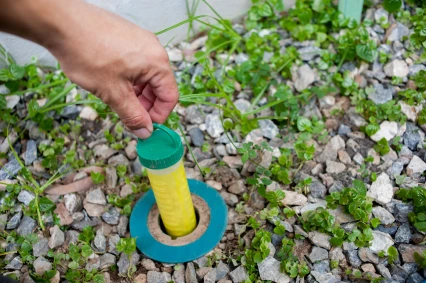
In-ground bait stations are installed around the perimeter of the property. Termites feed on the bait and carry the toxicant back to the colony, eventually eliminating the entire population. Bait systems require ongoing monitoring and are ideal for long-term prevention in Hollywood neighborhoods with recurring subterranean activity.
Tent Fumigation
For severe drywood termite infestations, whole-structure fumigation remains the most effective solution. The home is sealed under a tent, and a gas treatment penetrates every piece of wood in the structure. Many Hollywood homes — particularly older properties in the Lakes and Presidential areas — require fumigation when drywood colonies are widespread. Learn more about effective termite tenting and how the process works.
How Often Should Hollywood Homeowners Schedule Termite Control?
Given the extreme termite pressure in Hollywood, FL, annual inspections are the bare minimum. Most pest control professionals recommend inspections every 12 months, with preventive treatments on a consistent schedule based on the method used.
Here’s a general guideline for Hollywood properties:
- Annual inspections: Required for early detection — catches new infestations before they cause major damage.
- Liquid treatments: Reapply every 5-7 years, or as recommended by your provider.
- Bait stations: Monitor quarterly; replace bait cartridges as needed year-round.
- Post-fumigation: Schedule a follow-up inspection within 12 months.
Many Hollywood homeowners invest in a termite bond — a service agreement that provides ongoing inspections and treatment coverage. A termite bond gives you peace of mind and ensures that if termites return, the treatment cost is covered.
Get Professional Termite Control in Hollywood, FL
DIY termite control simply doesn’t cut it in a high-risk area like Hollywood. Store-bought sprays and surface treatments can’t reach colonies hidden deep within walls, attics, or underground. Professional pest control technicians use specialized equipment, targeted products, and proven protocols to eliminate termites at the source.
On Demand Pest Control provides comprehensive termite treatment services throughout Hollywood and the surrounding Broward County area. Our team understands the unique challenges that Hollywood’s climate and building stock present. We offer free inspections, customized treatment plans, and ongoing protection programs designed specifically for South Florida properties.
Whether you’ve spotted warning signs or simply want to stay ahead of the threat, scheduling a professional inspection is the smartest move you can make. Don’t wait for visible damage — by the time you see it, termites have already been working for months or years. Contact On Demand Pest Control today to protect your Hollywood home.
Frequently Asked Questions
-
How much does termite treatment cost in Hollywood, FL?
Termite treatment costs in Hollywood vary based on the type of treatment, property size, and infestation severity. Liquid barrier treatments typically cost less than full-structure fumigation. Contact a local pest control provider for a free inspection and detailed estimate tailored to your property.
-
What time of year do termites swarm in Hollywood, FL?
In Hollywood, subterranean termites typically swarm between February and May, while drywood termites swarm from late spring through fall. However, South Florida's warm climate means swarms can happen almost any month. Formosan termites tend to swarm in the evening hours during late spring.
-
Can I treat termites myself in Hollywood?
While some DIY products exist, they rarely eliminate entire colonies — especially in Hollywood's high-risk environment. Surface treatments miss hidden infestations in walls and foundations. Professional treatment is strongly recommended for reliable, long-lasting results in South Florida.
-
Are termite inspections required when buying a home in Hollywood, FL?
Termite inspections aren't legally required for all home purchases in Florida, but most lenders — especially VA and FHA loan providers — require them. Even if your lender doesn't mandate one, getting an inspection before closing is highly advisable given Hollywood's extreme termite risk.
-
How do I know if my Hollywood home has termites?
Look for mud tubes on your foundation, small pellet-like droppings near window frames, hollow-sounding wood, and swarms of winged insects around lights. Bubbling paint and sagging floors can also indicate advanced damage. A professional inspection provides the most reliable diagnosis.