Table of Contents
ToggleKey Takeaways
- Identifying the termite species in your home is the first critical step toward choosing the right removal strategy.
- Professional treatments like liquid barriers, bait systems, and fumigation offer the most reliable results for active infestations.
- DIY methods can supplement professional treatment but rarely eliminate a colony on their own.
- Long-term prevention requires moisture control, regular inspections, and eliminating wood-to-soil contact around your home.
- Florida homeowners face year-round termite pressure from subterranean, drywood, and Formosan species.
- A termite bond provides ongoing protection and can save thousands in future repair costs.
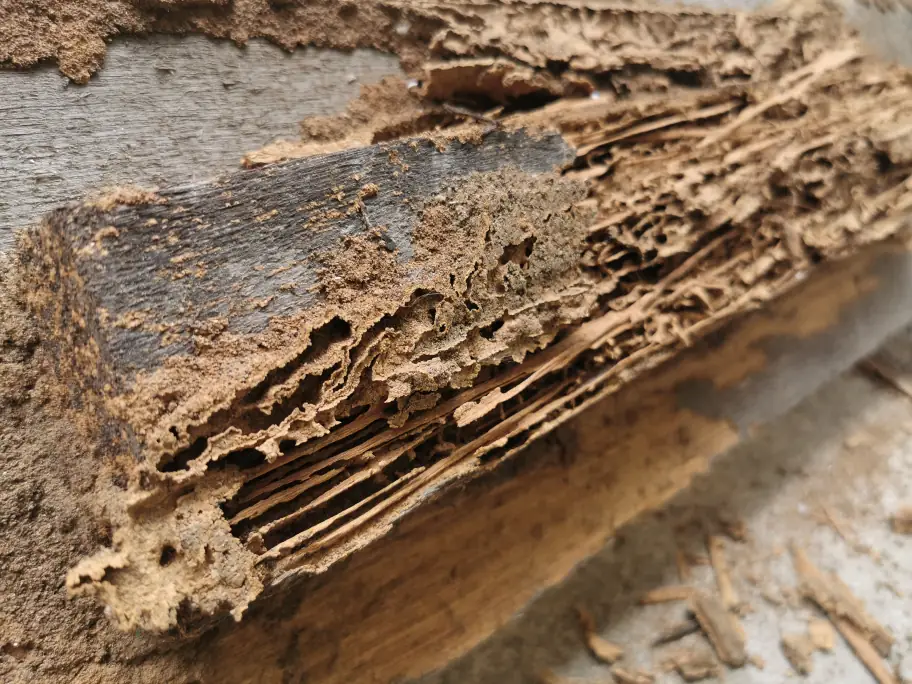
Discovering termites in your home is one of the most stressful experiences a homeowner can face — and knowing how to remove and prevent termites from your house can save you thousands of dollars in structural damage. These silent destroyers work around the clock, eating through wood framing, flooring, and support beams without making a sound. By the time most homeowners notice the damage, colonies have already been feeding for months or even years. Whether you’re dealing with an active infestation or want to protect your property before termites move in, this guide walks you through every proven removal method, prevention strategy, and professional option available. You’ll learn exactly what works, what doesn’t, and how to keep your home termite-free for years to come.
How Do You Know You Have a Termite Problem?
Before you can remove termites from your house, you need to confirm they’re actually there. Termites are masters of concealment. They live inside walls, beneath floors, and underground — often going undetected until significant damage has occurred.
The most common warning signs include:
- Hollow-sounding wood when you tap on walls or trim
- Small piles of pellet-like droppings near windowsills or baseboards
- Mud tubes running along foundation walls or crawl spaces
- Discarded wings near doors, windows, or light fixtures
- Bubbling or peeling paint that mimics water damage
If you notice any of these indicators, you may already have an established colony. Our guide on early signs of termites in Florida homes breaks down exactly what to look for room by room. Additionally, understanding what termite mud tubes look like can help you catch subterranean species early.
Which Termite Species Are You Dealing With?
Identification matters because different species require different treatment approaches. In Florida, three primary species threaten homes:
- Subterranean termites — Live in underground colonies and build mud tubes to reach wood above ground. They cause the most damage nationwide.
- Drywood termites — Infest dry wood directly, requiring no soil contact. They’re extremely common in coastal Florida.
- Formosan termites — An aggressive subterranean species capable of destroying a structure faster than any other termite in North America.
For a deeper understanding of every species found in the state, check out our complete guide to termite identification and control in Florida. Proper identification ensures you choose a treatment method that actually targets the colony threatening your home.
Professional Methods to Remove Termites from Your Home
When you’re dealing with an active infestation, professional treatment is the most effective path to complete elimination. Licensed pest control companies have access to commercial-grade products and equipment that homeowners simply cannot purchase. Here’s a breakdown of the most widely used professional methods.
Liquid Termiticide Barrier Treatments
Liquid treatments involve applying a chemical barrier around your home’s foundation. Products like fipronil and imidacloprid create a lethal zone that termites cannot detect. As foraging workers pass through the treated soil, they carry the chemical back to the colony, spreading it to other members.
This method works best against subterranean termites. Technicians dig a shallow trench around the perimeter and inject termiticide into the soil. The barrier remains effective for five to ten years depending on the product and soil conditions.
Termite Bait Station Systems
Bait systems use strategically placed stations around your property. Each station contains a slow-acting toxicant embedded in cellulose material. Worker termites feed on the bait and share it with the colony through trophallaxis — their natural food-sharing behavior.
Over several weeks, the bait disrupts the colony’s ability to molt and reproduce. Eventually, the entire colony collapses. Bait systems require regular monitoring and replenishment, making them an ongoing investment rather than a one-time fix.
Fumigation (Tenting) for Severe Infestations
Fumigation involves enclosing your entire home in a sealed tent and releasing sulfuryl fluoride gas inside. The gas penetrates every crack, crevice, and void space — reaching termites that no other method can touch. This is the gold standard treatment for widespread drywood termite infestations.
You’ll need to vacate your home for two to three days during treatment. While the upfront cost is higher, fumigation eliminates 100% of termites inside the structure in a single treatment. Learn more about what’s involved with effective termite tenting and the process from start to finish.
How to Remove Termites with DIY Treatment Options
Some homeowners prefer to start with do-it-yourself approaches, especially for minor or localized infestations. While DIY methods rarely eliminate an entire colony, they can slow termite activity and buy you time before a professional arrives.
Boric Acid and Termiticide Sprays
Boric acid is one of the most accessible termite treatments available at hardware stores. When applied to exposed wood or injected into termite galleries, it damages the termites’ digestive system and eventually kills them. Foam-based termiticides can also be sprayed directly into wall voids and infested areas.
However, these products only affect termites they physically contact. They won’t reach the queen or the deeper parts of a colony hidden behind walls or underground.
Cardboard Traps and Natural Remedies
Wet cardboard traps attract termites with cellulose and moisture. Once termites gather on the cardboard, you can remove and destroy it. This is a monitoring technique more than a solution. Similarly, natural termite control methods like orange oil and neem oil show some promise for localized drywood infestations.
These methods work best as supplements to professional treatment — not as standalone solutions. For a full comparison of your options, read our breakdown of DIY termite treatment versus professional services.
Comparing Termite Treatment Methods: Which One Is Right?
Choosing the right treatment depends on the termite species, severity of the infestation, and your home’s construction. The table below compares the most common approaches side by side.
| Treatment Method | Best For | Effectiveness | Duration of Protection |
|---|---|---|---|
| Liquid Barrier | Subterranean termites | High | 5–10 years |
| Bait Stations | Subterranean and Formosan termites | High (with monitoring) | Ongoing |
| Fumigation | Drywood termites (whole-structure) | Very high | No residual protection |
| Spot Treatment | Localized drywood infestations | Moderate | Varies |
| Heat Treatment | Localized drywood infestations | High | No residual protection |
Keep in mind that fumigation and heat treatment kill active termites but leave no residual chemical barrier. Without follow-up prevention, your home could be reinfested. For drywood species specifically, our guide on how to get rid of drywood termites walks through every viable approach in detail.
How to Prevent Termites from Returning to Your House
Removing an active infestation is only half the battle. Without a strong prevention plan, termites will find their way back. Prevention is ultimately cheaper and far less stressful than repeated treatments. Here are the most effective long-term strategies.
Eliminate Moisture Around Your Foundation
Termites — especially subterranean species — depend on moisture to survive. Fixing leaky faucets, repairing broken gutters, and grading soil away from your foundation dramatically reduces your home’s appeal to foraging colonies. Make sure sprinklers don’t spray directly against exterior walls. In crawl spaces, use a vapor barrier to reduce ground moisture.
Remove Wood-to-Soil Contact
Direct contact between wood and soil creates a highway for subterranean termites. Common trouble spots include:
- Wooden fence posts touching the ground
- Deck posts without concrete footings
- Mulch piled against your home’s siding
- Firewood stacked near the house
Replace soil-contact wood with pressure-treated lumber or concrete. Keep firewood at least 20 feet from your home and elevated off the ground. Understanding what attracts termites to your home helps you eliminate the conditions they seek.
Schedule Regular Termite Inspections
Annual professional inspections catch termite activity early — before colonies cause serious damage. During an inspection, a trained technician examines your foundation, attic, crawl space, garage, and exterior perimeter for any evidence of termites. In high-risk areas like Florida, inspections every year are strongly recommended.
Many pest control companies include annual inspections as part of a termite bond agreement, which provides ongoing protection and covers retreatment costs if termites return.
Why Florida Homeowners Need Year-Round Termite Prevention
Florida’s warm, humid climate creates perfect conditions for termite colonies to thrive in every season. Unlike northern states where freezing temperatures slow termite activity in winter, Florida termites remain active 365 days a year. Subterranean species dominate the central and northern regions, while drywood termites are especially prevalent along the coast.
Formosan termites — the most destructive species in the country — have established colonies across South Florida. A single Formosan colony can contain millions of workers capable of consuming a pound of wood per day. Understanding where termites come from and how they enter your home gives you a critical advantage in prevention.
Because of this constant pressure, Florida homeowners benefit most from a layered defense: soil treatments around the perimeter, bait stations for early detection, and regular professional monitoring. Waiting until you see visible damage means the colony has already been feeding for months. The cost of proactive prevention is a fraction of what you’d spend on structural repairs after a major infestation.
How Much Does It Cost to Remove Termites?
Treatment costs vary widely depending on the method, the size of your home, and the severity of the infestation. Here’s a general cost overview:
| Treatment Type | Typical Cost Range |
|---|---|
| Liquid Barrier Treatment | $500 – $2,500 |
| Bait Station System | $800 – $3,000+ (includes monitoring) |
| Spot Treatment | $200 – $1,000 |
| Whole-Home Fumigation | $1,200 – $5,000+ |
| Annual Termite Bond | $200 – $500/year |
Many homeowners are surprised to learn that ongoing protection through a termite bond costs less per year than a single repair job caused by undetected termites. For a more detailed breakdown, read our resource on how much termite treatment costs.
Investing in prevention and early detection is the smartest financial decision you can make as a homeowner in a termite-heavy region. If you suspect activity in your home, don’t wait — contact a licensed pest control professional to schedule an inspection and discuss the treatment plan that fits your situation and budget.
Frequently Asked Questions
-
Can I remove termites from my house without professional help?
DIY methods like boric acid and spot treatments can reduce termite activity in small, accessible areas. However, they rarely eliminate an entire colony because they can't reach the queen or workers hidden deep within walls and soil. Professional treatment is strongly recommended for confirmed infestations.
-
How long does it take to get rid of termites completely?
Fumigation eliminates termites inside a structure within three days. Liquid barrier treatments begin killing termites immediately but may take several weeks to collapse the colony. Bait systems typically require two to three months for full colony elimination because they rely on gradual toxicant transfer.
-
How often should I have my home inspected for termites?
In Florida, annual termite inspections are the recommended minimum. Homes with a history of infestations or those near wooded areas may benefit from semi-annual checks. Regular inspections catch new activity before serious damage occurs.
-
Do termites come back after treatment?
Yes, termites can return after treatment — especially if no residual barrier or ongoing monitoring is in place. Fumigation kills all termites inside the structure but provides no long-term protection. That's why pairing treatment with a termite bond or bait monitoring system is essential for lasting results.
-
What attracts termites to my house in the first place?
Moisture, wood-to-soil contact, mulch near your foundation, and clogged gutters all create inviting conditions for termites. Subterranean species are drawn to damp soil near your home, while drywood termites enter through cracks and gaps in exposed wood. Eliminating these attractants is the foundation of effective prevention.
-
Is termite prevention worth the cost for Florida homes?
Absolutely. Florida's warm, humid climate supports year-round termite activity from multiple species. The average cost of termite damage repair in the U.S. exceeds $3,000, while annual prevention plans typically run $200 to $500. Prevention is significantly cheaper than repairing structural damage after the fact.