
Table of Contents
ToggleKey Takeaways
- Termites can technically bite humans, but it is extremely rare and almost never happens in real-world situations.
- Termite bites are not dangerous, not venomous, and do not transmit diseases to people.
- Soldier termites are the only caste with mandibles strong enough to break skin, and they only bite in self-defense.
- The real danger of termites is structural damage to your home, not bites to your body.
- If you notice skin irritation and suspect termites, the cause is more likely an allergic reaction to termite dust or frass than an actual bite.
- Spotting termites in your home means you should focus on property damage, not personal safety from bites.
Do termites bite humans? It’s a question that crosses every homeowner’s mind the moment they spot these wood-destroying insects inside their walls or near their foundation. The short answer is that termite bites on people are technically possible but almost never happen. Unlike pests that actively seek blood meals — such as mosquitoes, ticks, or bed bugs — termites have zero interest in human skin. Their diet revolves entirely around cellulose found in wood and plant fibers. Still, there are important details worth knowing about termite mandibles, allergic reactions, and the far greater threat these insects pose to your property. Below, you’ll learn exactly what happens when a termite encounters a person, how to tell a termite bite from other insect bites, and why protecting your home matters far more than protecting your skin.
Can Termites Actually Bite Humans?
Yes, termites have the physical ability to bite humans. However, calling it “rare” is an understatement. In practical terms, a termite bite on a person is so uncommon that most pest control professionals go their entire careers without encountering a single case.
Termites live in dark, enclosed environments. Subterranean species build underground colonies and travel through termite mud tubes. Drywood termites nest inside the wood they consume. Neither type actively seeks out human contact. In the unlikely event that a termite lands on your skin — say, during a drywood termite swarming event — it would have no biological reason to bite you.
The only scenario where a bite might occur is if you physically handle a soldier termite and it bites in self-defense. Even then, the bite is mild and comparable to a small pinch.
Which Termite Caste Can Bite?
Not all termites are created equal when it comes to biting. A termite colony is divided into distinct castes, and each caste has different physical features and roles. Understanding these castes helps explain why bites on humans are nearly impossible.
Soldier Termites
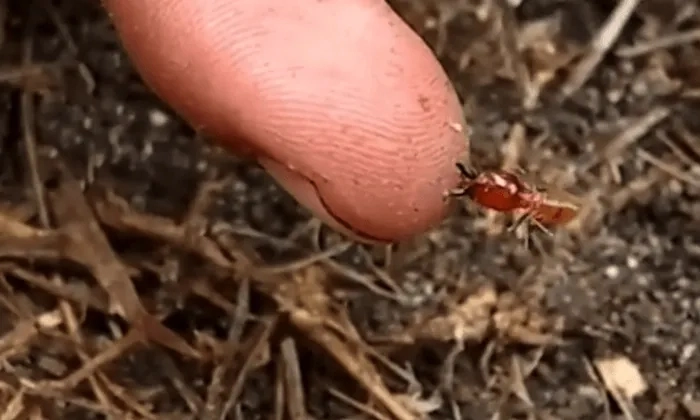
Soldier termites are the only caste with mandibles large and strong enough to potentially break human skin. Their sole job is defending the colony against predators — primarily ants. When disturbed, soldiers snap their mandibles as a defensive reflex. If you picked one up and placed it on your finger, it might pinch. However, soldiers make up a small percentage of the colony and never leave the nest to roam freely.
Worker Termites
Worker termites are the most numerous members of a colony. They’re the ones actually consuming the wood in your home. Despite this, their mandibles are designed for chewing soft cellulose — not human skin. A worker termite cannot deliver a noticeable bite to a person.
Reproductive Termites (Swarmers)
Swarmers, also known as alates, are termites with wings that leave the colony to start new ones. These are the termites most likely to come into direct contact with people during swarming season. Fortunately, swarmers do not bite. They lack the strong mandibles of soldiers and have no reason to be aggressive toward humans.
What Does a Termite Bite Look Like?
On the extremely rare occasion a termite does bite, the mark is minor. A termite bite looks like a tiny red bump, similar to a small mosquito bite or a mild skin irritation. There is usually very little swelling, and the area may itch slightly for a short time.
Here’s how a termite bite compares to other common insect bites:
| Insect | Bite Appearance | Pain Level | Swelling | Disease Risk |
|---|---|---|---|---|
| Termite | Tiny red bump | Minimal (pinch) | Little to none | None |
| Mosquito | Raised, itchy welt | Mild sting | Moderate | Yes (Zika, West Nile) |
| Bed Bug | Red, clustered welts | Mild to moderate | Moderate | None confirmed |
| Fire Ant | Pus-filled blister | Intense burning | Significant | Allergic reactions possible |
| Tick | Red ring or bullseye | Often painless | Variable | Yes (Lyme disease) |
As you can see, termite bites are the least concerning entry on this list. They don’t transmit diseases, don’t cause significant pain, and resolve on their own within hours.
Are Termite Bites Dangerous to Humans?
Termite bites are not dangerous. They are not venomous and carry no known pathogens. Unlike ticks or mosquitoes, termites do not feed on blood, so there is no mechanism for disease transmission between termites and humans.
The biggest health-related concern with termites isn’t biting — it’s allergens. Termite colonies produce frass (droppings), shed wings, and body fragments. In homes with active infestations, these particles can become airborne and trigger:
- Skin rashes or contact dermatitis
- Sneezing and nasal congestion
- Asthma flare-ups in sensitive individuals
- Eye irritation
If you’re experiencing unexplained skin irritation and you know termites are present in your home, the culprit is more likely termite droppings or dust rather than actual bites. These allergic reactions can be especially common with drywood termite infestations, where frass pellets accumulate inside walls and fall through small termite exit holes.
How to Treat a Termite Bite
If you believe a termite has bitten you, treatment is straightforward. Follow these simple steps:
- Clean the area — Wash the bite with mild soap and warm water to prevent any secondary infection.
- Apply a cold compress — Hold an ice pack or cold cloth on the area for 10 minutes to reduce any minor swelling.
- Use anti-itch cream — An over-the-counter hydrocortisone cream or calamine lotion will soothe irritation.
- Avoid scratching — Scratching can introduce bacteria and lead to infection.
- Monitor for allergic reactions — While extremely unlikely, seek medical attention if you notice excessive swelling, difficulty breathing, or spreading redness.
In the vast majority of cases, a termite bite requires no medical attention and heals completely within a day. The mark is so mild that many people wouldn’t even notice it happened.
Why Termite Bites Aren't the Real Threat
While termite bites pose virtually zero risk to your health, termites themselves pose an enormous risk to your home. Termites cause an estimated $5 billion in property damage across the United States every year. In Florida, the warm and humid climate creates ideal conditions for multiple termite species to thrive year-round.
The complete guide to termite identification and control in Florida explains how subterranean, drywood, and Formosan termites each attack homes differently. All three species are active throughout South Florida, and homeowners often don’t realize they have an infestation until significant damage has already occurred.
Common signs of termite activity include:
- Hollow-sounding wood when tapped
- Mud tubes along foundations or walls
- Discarded wings near windows or doors
- Bubbling or peeling paint that resembles water damage
- Tiny piles of frass beneath wooden structures
If you’ve noticed any of these warning signs, reviewing the 5 early signs of termites in Florida homes can help you identify the problem before it gets worse.
Do Termites Bite Pets?
Termites generally do not bite pets, either. Dogs and cats are not targets for termites, just as humans aren’t. However, curious pets that dig into termite-infested wood or soil could disturb a colony and receive a defensive nip from soldier termites.
As with humans, a termite bite on a pet would be minor — far less concerning than a flea or tick bite. The greater pet-related concern with termites is ingestion. If a dog chews on termite-damaged wood, it could swallow splinters or termite-treated chemicals. Keep pets away from areas with known termite activity or recent treatments.
What to Do If You Find Termites in Your Home
Finding termites should shift your focus entirely from personal safety to property protection. These insects work silently, and a mature colony can consume several pounds of wood per year. Here’s what you should do if you discover termites:
- Don’t panic about bites — As discussed, termite bites on humans are not a realistic concern.
- Identify the species — Knowing whether you have subterranean or drywood termites determines the treatment approach. Learning how to identify drywood termites is a good starting point.
- Avoid disturbing the colony — Do not spray household insecticides on termites. This scatters them and makes professional treatment harder.
- Schedule a professional inspection — A trained inspector can assess the extent of the infestation and recommend the right treatment method.
- Understand your treatment options — Depending on the species and severity, solutions range from spot treatments to full fumigation. The guide on how to get rid of drywood termites outlines the most effective approaches.
Acting quickly is critical. The longer termites remain active, the more structural damage they cause. Many homeowners in Florida invest in ongoing termite protection plans to prevent reinfestation. If you’re curious about long-term coverage, learning what a termite bond is can help you understand your options for continuous protection.
Termite Bites vs. Other Insect Bites: How to Tell the Difference
If you wake up with mysterious bites or skin irritation, termites are almost certainly not the cause. Several other household pests are far more likely to bite humans. Here’s how to distinguish common culprits:
Bed Bug Bites
Bed bug bites appear in clusters or lines, typically on exposed skin like arms, shoulders, and neck. They are itchy, red, and raised. Unlike termites, bed bugs actively seek human blood at night. If you’re finding bites in patterns, bed bugs are a likely suspect.
Ant Bites
Fire ants and carpenter ants can both deliver painful bites. Fire ant bites produce a burning sensation followed by pus-filled blisters. Carpenter ants bite and spray formic acid into the wound, causing a sharp sting. Both are far more aggressive biters than any termite species.
Flea Bites
Flea bites appear as small red dots, usually concentrated on lower legs and ankles. They are extremely itchy. If you have pets and are finding bites below the knee, fleas are the most probable cause — not termites.
Preventing Termite Infestations in Your Home
Since termite bites aren’t the concern, prevention should focus on keeping these insects away from your home’s structure entirely. Florida’s climate makes year-round vigilance essential. Here are practical steps to reduce your termite risk:
- Eliminate wood-to-soil contact — Keep mulch, firewood, and lumber at least 20 inches away from your foundation.
- Fix moisture problems — Leaking pipes, clogged gutters, and poor drainage attract subterranean termites. Address water issues promptly.
- Seal entry points — Caulk cracks in your foundation and around utility pipes where termites might enter.
- Reduce humidity — Use dehumidifiers in crawl spaces and ensure proper ventilation in attics.
- Schedule regular inspections — Annual termite inspections catch early activity before it becomes a full infestation.
Understanding where termites come from and what attracts them gives you a strategic advantage in keeping your home protected. The sooner you address risk factors, the less likely you are to deal with an expensive infestation down the road.
Frequently Asked Questions
-
Do termites bite humans while they sleep?
No, termites do not bite humans while they sleep. Unlike bed bugs or mosquitoes, termites do not seek out humans as a food source. They remain inside wood or underground tunnels and have no reason to approach a sleeping person.
-
Can termite bites cause an allergic reaction?
A termite bite itself is unlikely to cause an allergic reaction because it is so minor. However, termite infestations produce dust, frass, and body fragments that can trigger allergic responses such as skin rashes, sneezing, and asthma symptoms in sensitive individuals.
-
How can I tell if a bite on my skin is from a termite?
A termite bite would appear as a very small red bump with minimal swelling and almost no pain. However, if you're finding bites on your body, the cause is almost certainly another pest such as bed bugs, fleas, or ants. Termite bites on humans are extraordinarily rare.
-
Do flying termites bite people?
No, flying termites — also called swarmers or alates — do not bite people. They lack the strong mandibles of soldier termites and are focused solely on finding a mate and establishing a new colony during their brief flight period.
-
Should I be worried about termite bites if I have an infestation?
You should not worry about termite bites during an infestation. Your concern should be the structural damage termites cause to your home. A single colony can silently destroy wooden framing, flooring, and support beams. Focus on getting a professional inspection and treatment plan.
-
Do termites carry diseases that affect humans?
No, termites do not carry or transmit any diseases to humans. They are not blood-feeding insects and have no biological pathway for spreading pathogens. The only health concern linked to termites is airborne allergens produced by large colonies inside a home.