
Table of Contents
ToggleKey Takeaways
- Termites originate from mature colonies that send out winged swarmers to reproduce and establish new nests.
- Subterranean termites enter homes from underground through foundation cracks, while drywood termites fly directly into wood structures.
- Florida’s warm, humid climate creates ideal year-round conditions for termite colonies to thrive and expand.
- Moisture problems, wood-to-soil contact, and untreated lumber are the top factors that draw termites to your property.
- Understanding where termites come from helps you target prevention efforts and catch infestations before serious damage occurs.
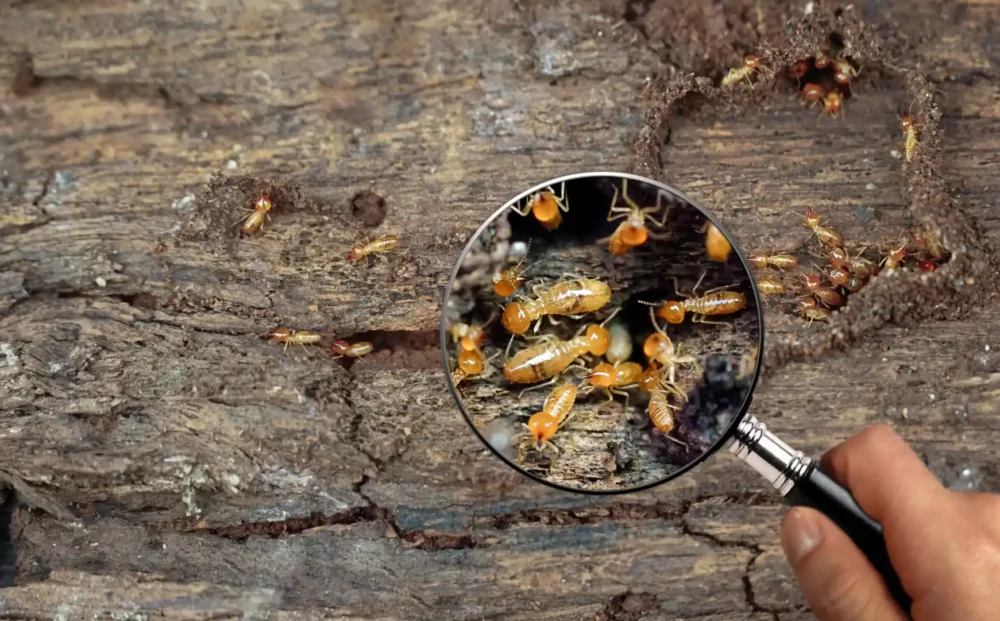
Where do termites come from — and how do they end up inside your walls? If you’ve spotted damaged wood, discarded wings, or tiny pellets around your home, you’re likely dealing with one of nature’s most destructive insects. Termites don’t just appear out of nowhere. They follow a biological process that begins deep underground or inside an existing colony, and they spread to new structures through swarming, foraging, and surprisingly strategic behavior. In Florida, the threat is especially persistent because conditions favor termite activity almost every month of the year. This guide explains exactly where termites originate, how they find and enter homes, and what you can do to stop them before they cause costly structural damage.
Where Do Termites Come From Originally?
Termites have existed for over 100 million years. They evolved from a common ancestor shared with cockroaches and adapted to feed on cellulose — the organic compound found in wood, leaf litter, and plant fibers. Over millennia, they developed complex social structures with distinct castes: workers, soldiers, and reproductives.
Every termite infestation begins with a mature colony. Once a colony reaches a certain size — typically several years old — it produces winged reproductive termites known as alates or swarmers. These swarmers leave the parent colony, pair up, shed their wings, and burrow into a suitable location to start a brand-new colony. This is the fundamental cycle that explains where termites come from.
A single queen can lay thousands of eggs per day, which means a new colony can grow rapidly under the right conditions. In Florida, those conditions exist almost everywhere. For a deeper look at the species you may encounter, explore this complete guide to termite identification and control in Florida.
How Do Termite Colonies Reproduce and Spread?
The spread of termites from one location to another depends on the swarming process. Understanding this cycle is critical to knowing where termites come from and why they suddenly appear in homes that were previously pest-free.
The Swarming Process
When a colony matures — usually after three to five years — it releases hundreds or thousands of winged swarmers. These alates take flight during warm, humid conditions, often after rainfall. Their goal is simple: find a mate, find shelter, and found a new colony.
Swarmers are poor fliers. Most travel only a short distance from their parent colony. That’s why spotting termites with wings near your home is a strong signal that an established colony is nearby. After landing, a mated pair sheds its wings, digs into soil or wood, and begins laying eggs. The first generation of workers hatches within weeks.
Colony Growth and Expansion
A new colony starts small — perhaps a few dozen termites. But growth accelerates over time. Subterranean termite colonies can reach populations of hundreds of thousands to millions. Drywood colonies tend to be smaller, typically a few thousand individuals, but they live entirely inside the wood they consume.
As colonies grow, they send out foraging tunnels (subterranean species) or produce new swarmers that seek additional food sources. This is how a single termite presence on your block can eventually spread to multiple neighboring homes.
Where Do Different Types of Termites Come From?
Not all termites arrive at your home the same way. The three main types found in Florida — subterranean, drywood, and Formosan — each have distinct origins and entry methods.
Subterranean Termites
Subterranean termites come from underground colonies that can extend several feet below the soil surface. They need constant contact with moisture to survive. Workers build mud tubes — pencil-sized tunnels made of soil, saliva, and fecal matter — to travel safely between their nest and a food source above ground.
These termites forage outward from their colony in all directions. When foraging tunnels reach your home’s foundation, they exploit any crack, gap, or opening to access the wood inside. A gap as narrow as 1/32 of an inch is enough. Learn more about identifying subterranean termites in Florida to know what you’re dealing with.
Drywood Termites
Drywood termites don’t come from the ground at all. They arrive by air. Swarmers fly to exposed wood surfaces — fascia boards, window frames, attic eaves, and even furniture — and bore directly into the wood to start a colony. Because they don’t need soil contact, drywood termites can infest any wooden element in your home, from the roof down.
Drywood termites are especially common in Florida, and their colonies are harder to detect because they leave few visible signs besides tiny fecal pellets pushed through kick-out holes. If you’re dealing with this species, learn how to get rid of drywood termites before the colony matures.
Formosan Termites
Formosan termites are a particularly aggressive subterranean species originally from East Asia. They arrived in the United States through infested wooden shipping materials after World War II and have since established massive populations in the Southeast, including Florida.
What makes Formosan termites different is their colony size. A single colony can contain millions of individuals and consume wood at an alarming rate. They also build above-ground carton nests made of chewed wood, soil, and saliva, allowing them to retain moisture without returning to the ground. Read more about Formosan termites in Florida and why they pose such a significant threat.
How Do Termites Enter Your Home?
Knowing where termites come from is only half the equation. Understanding how they get inside is what helps you prevent an infestation. The entry method depends on the species.
Common Entry Points for Subterranean Termites
- Foundation cracks and expansion joints
- Gaps where plumbing or utility lines penetrate the slab
- Wood-to-soil contact (porch posts, deck supports, siding)
- Mud tubes built along foundation walls or inside wall voids
- Gaps beneath stucco that allow hidden access to framing
Subterranean termites are systematic foragers. They explore soil outward from the colony and test every surface they encounter. Your foundation is simply an obstacle between them and the cellulose they need.
Common Entry Points for Drywood Termites
- Unscreened attic vents and soffit gaps
- Exposed fascia boards and roof eaves
- Window and door frames, especially unpainted wood
- Infested furniture or lumber brought into the home
- Cracks in exterior wood trim
Because drywood termites enter through the air, prevention focuses on sealing exposed wood and screening ventilation openings. Even a small section of unpainted trim can serve as a landing pad for swarmers.
What Attracts Termites to Your Property?
Termites don’t choose your home at random. Specific conditions make certain properties far more attractive than others. Addressing these factors is one of the most effective forms of prevention.
Moisture and Water Damage
Moisture is the single biggest attractant for subterranean and Formosan termites. Leaky pipes, poor drainage, clogged gutters, and standing water near the foundation all create conditions that termites seek out. Even condensation from air conditioning units can generate enough moisture to attract foraging workers.
Drywood termites are less dependent on moisture, but they still prefer wood with some humidity content. Homes with persistent roof leaks or bathroom ventilation problems often see higher drywood termite activity.
Wood-to-Soil Contact
Any place where wood directly touches soil is a termite highway. Fence posts, deck supports, porch stairs, and landscaping timbers provide direct access from the ground into consumable material. The National Pest Management Association recommends maintaining at least six inches of clearance between soil and any wood structural element.
Mulch, Debris, and Stored Wood
Stacking firewood against the house, piling yard debris near the foundation, or applying thick layers of wood mulch along the perimeter all invite termite activity. These materials hold moisture and provide cellulose — exactly what foraging termites are searching for. To learn more about what draws termites in, read about the top things attracting termites to your Florida home.
Why Florida Homes Are Especially Vulnerable to Termites
Florida ranks among the highest-risk states in the country for termite damage. The combination of subtropical climate, high humidity, warm soil temperatures, and abundant vegetation creates a near-perfect environment for every major termite species.
Subterranean termites remain active year-round in Florida because the soil rarely drops below the temperatures that trigger dormancy in northern states. Drywood termites benefit from the warm air and abundant wood-frame construction common across South Florida. Formosan termites have established aggressive colonies in several Florida counties, particularly in coastal areas.
For Florida homeowners, the question isn’t whether termites are nearby — it’s when they’ll attempt to enter your home. Recognizing the early signs of termites is essential for catching an infestation before it becomes a structural problem.
Termite Origins: Swarmers vs. Foragers
It helps to understand the two primary ways termites arrive at a new structure. The table below compares how swarmers and foragers differ in their behavior, the species they represent, and the risks they pose.
| Factor | Swarmers (Alates) | Foragers (Workers) |
|---|---|---|
| How they travel | Fly from parent colony | Tunnel through soil or wood |
| Species | All species produce swarmers | Primarily subterranean and Formosan |
| When they appear | Seasonal swarming events | Year-round activity |
| Visible signs | Discarded wings near windows and doors | Mud tubes, hollowed wood, frass |
| Colony stage | Founding a new colony | Expanding an existing colony’s territory |
If you see swarmers inside your home, a colony is either already established inside or very close by. Learn what to do if you see a termite swarm so you can act quickly.
How to Prevent Termites From Reaching Your Home
Now that you understand where termites come from and how they enter, you can take targeted steps to keep them out. Prevention is always more cost-effective than treatment.
- Eliminate moisture sources: Fix leaky faucets, repair damaged gutters, and ensure proper drainage around your foundation.
- Maintain clearance: Keep at least six inches between soil and wood elements. Trim vegetation away from the exterior walls.
- Seal entry points: Caulk cracks in the foundation, screen attic vents, and close gaps around utility penetrations.
- Remove wood debris: Store firewood at least 20 feet from the house. Clear dead stumps, fallen branches, and old lumber from your yard.
- Use treated lumber: Pressure-treated or naturally resistant wood species reduce the risk of drywood termite colonization in exposed areas.
- Schedule regular inspections: Annual professional termite inspections catch activity early, before colonies cause significant damage.
For ongoing protection, many Florida homeowners invest in a termite bond, which provides continuous monitoring and treatment coverage. If you suspect termites are already present, a professional inspection is the fastest way to confirm the problem and determine the best course of action.
Frequently Asked Questions
-
Where do termites come from in a house that has never had them before?
Termites reach new homes through two main routes. Subterranean termites tunnel through the soil and enter through foundation cracks, while drywood termites fly to the home during swarming season and bore into exposed wood. A home doesn't need a prior infestation — nearby mature colonies produce swarmers that seek out new food sources every year.
-
Can termites come from inside furniture or lumber?
Yes. Drywood termites can live entirely inside a piece of wood. If you bring infested furniture, antique wood, or reclaimed lumber into your home, you can introduce a colony without realizing it. Always inspect secondhand wooden items carefully before placing them inside your house.
-
Do termites come from the ground or the air?
It depends on the species. Subterranean and Formosan termites nest in the ground and reach your home through soil tunnels and mud tubes. Drywood termites arrive by air — swarmers fly to exposed wood and establish colonies without any ground contact. Florida homeowners face both threats simultaneously.
-
How far do termites travel from their colony?
Subterranean termite foraging tunnels can extend over 300 feet from the colony. Swarmers typically fly only a few hundred yards, though wind can carry them farther. This means a colony on your neighbor's property — or in a nearby tree — can easily reach your home's foundation.
-
Why do termites suddenly appear in my home?
Termites don't appear overnight. They've likely been foraging or nesting out of sight for weeks or months before becoming visible. Most homeowners notice termites during swarming events, when winged reproductives emerge in large numbers. Mud tubes, frass pellets, and hollow-sounding wood are signs the colony has been present for some time.
-
What time of year do termites come out in Florida?
In Florida, termites can swarm during nearly any month. Subterranean termites typically swarm in spring, drywood termites in late spring through fall, and Formosan termites in late spring and early summer. Warm temperatures and high humidity trigger swarming events, which is why Florida sees more swarms than most other states.