Table of Contents
ToggleKey Takeaways
- Termite swarmers are winged reproductive termites that leave established colonies to start new ones, and spotting them near your Miami home means a mature colony is close by.
- Miami’s warm, humid climate creates year-round swarming conditions, with peak activity from spring through early summer for subterranean species and late summer through fall for drywood termites.
- Winged termites are often confused with flying ants, but you can tell them apart by examining their wings, waist shape, and antennae.
- Finding discarded wings on windowsills, near doors, or around light fixtures is one of the earliest and most reliable signs of a termite problem.
- A professional inspection is the safest next step after seeing swarmers — DIY methods rarely address the hidden colony causing the swarm.
Termite swarmers in Miami are one of the most alarming sights a homeowner can encounter. Those clouds of winged insects near your porch light or gathering on your windowsill aren’t just a nuisance — they’re a warning sign that a mature termite colony is thriving nearby. Miami’s subtropical climate makes the city a hotspot for multiple termite species, and swarming season can feel like it never ends. Whether you’ve already spotted winged termites inside your home or you want to prepare before they arrive, this guide covers everything you need to know. You’ll learn how to identify swarmers, understand what triggers their flights, and discover the steps you should take to protect your property from costly structural damage.
What Are Termite Swarmers and Why Do They Matter?
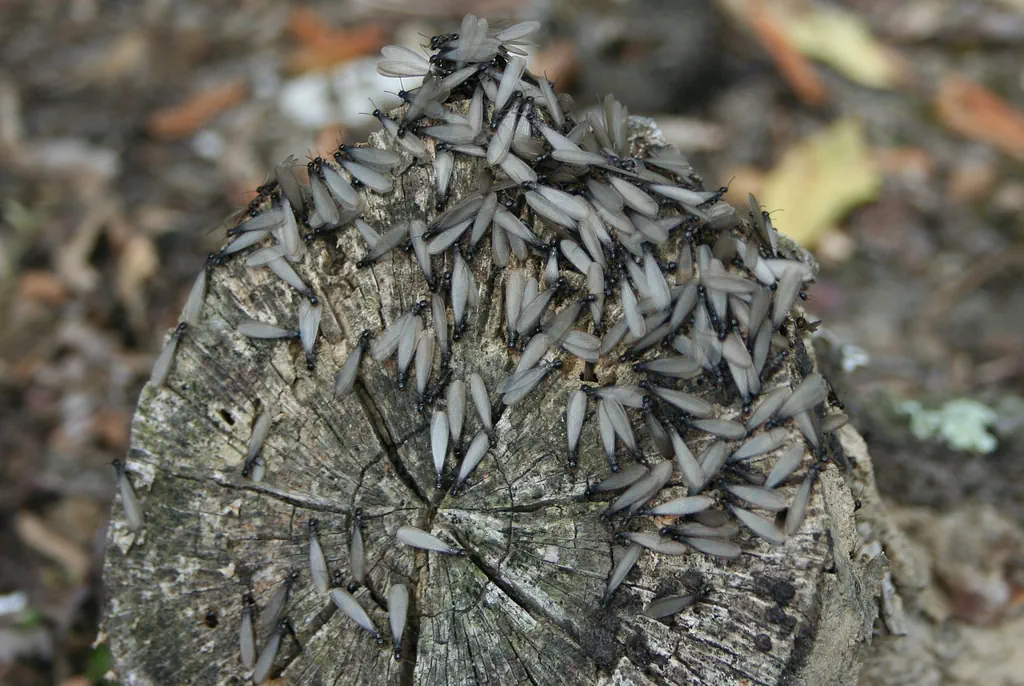
Termite swarmers — also called alates — are the reproductive members of a termite colony. Their sole purpose is to leave the nest, find a mate, and establish a brand-new colony. Unlike the worker and soldier castes that stay hidden inside wood or underground, swarmers develop wings and venture out into the open.
Here’s the critical detail: a colony doesn’t produce swarmers until it’s mature. For most species, that takes three to five years. By the time you see winged termites, the colony behind them has been feeding on wood for years and may contain hundreds of thousands — or even millions — of individuals.
In Miami, seeing swarmers is especially concerning because the city supports three major termite groups:
- Eastern subterranean termites — the most common species in Florida
- Drywood termites — specialists that infest dry, undecayed wood above ground
- Formosan subterranean termites — an aggressive invasive species with massive colonies
Each of these species produces swarmers at different times of year, which means Miami homeowners face overlapping swarming seasons. Understanding which species you’re dealing with is the first step toward effective control. For a broader overview of every termite species active in the state, our complete guide to termite identification and control in Florida covers each one in detail.
When Do Termite Swarmers Appear in Miami?
Miami’s warm temperatures and high humidity create near-perfect swarming conditions for most of the year. However, each termite species follows its own seasonal clock.
Subterranean Termite Swarming Season
Eastern subterranean termites typically swarm between February and May in South Florida. Swarms usually happen during daylight hours, often after a warm rain. You’ll notice them pouring out of soil near foundations, tree stumps, or landscape timbers. Formosan termites, on the other hand, swarm at dusk and into the evening, primarily from April through June. Their swarms are enormous and often visible around streetlights and exterior building lights.
Drywood Termite Swarming Season
Drywood termite swarmers tend to appear later in the year, from late summer through November. They’re strongly attracted to light, so you may find them clustered near windows, sliding glass doors, and porch lights at night. Because drywood termites infest wood directly — without needing ground contact — a swarm near your home’s exterior can lead to a new infestation inside your attic, window frames, or furniture. Learn more about the timing and behavior of these swarms in our article on when drywood termites swarm in Florida.
How to Identify Winged Termites vs. Flying Ants
One of the most common mistakes Miami homeowners make is confusing termite swarmers with flying ants. Both insects swarm at similar times and are roughly the same size. However, knowing the difference can save you time and prevent false reassurance.
Use this comparison chart to tell them apart:
| Feature | Termite Swarmer | Flying Ant |
|---|---|---|
| Wings | Two pairs of equal length | Front wings longer than back wings |
| Waist | Thick, straight waist (no pinch) | Narrow, pinched waist |
| Antennae | Straight, bead-like segments | Elbowed (bent at an angle) |
| Body Color | Dark brown to black (body); pale wings | Black, brown, or reddish |
| Wing Shedding | Wings break off easily after landing | Wings stay attached longer |
If you find a pile of translucent, papery wings near a window or door frame, that’s a telltale termite clue. Swarmers shed their wings shortly after landing because they no longer need them once they’ve found a mate and a nesting site. For a deeper look at what these winged insects look like up close, check out our resource on what termites look like with wings.
What Triggers Termite Swarms in Miami?
Termite swarms don’t happen randomly. Several environmental triggers prompt a colony to release its swarmers:
- Warm temperatures — Swarmers need warmth to fly. In Miami, temperatures rarely drop low enough to prevent swarming, which is why the season stretches across so many months.
- High humidity — Subterranean termites especially depend on moisture. A humid day signals safe conditions for swarmers to leave the nest without drying out.
- Rain — A sudden warm rain is one of the strongest triggers. You’ll often notice swarms within hours of a late-afternoon shower.
- Light — Many species are strongly phototropic, meaning they fly toward light sources. This is why swarmers appear around porch lights, windows, and indoor lamps.
Miami checks all of these boxes nearly year-round. The city’s average humidity hovers around 75%, afternoon thunderstorms are routine from May through October, and warm evenings persist even through winter. This combination makes Miami one of the highest-risk cities in the country for termite swarming activity.
Understanding where termites come from and what draws them to a property helps you make smarter prevention decisions before swarmers ever show up.
Where Termite Swarmers Enter Miami Homes
Swarmers are weak fliers. They rely on wind currents and their attraction to light to guide them. As a result, they tend to cluster around very specific entry points:
- Window frames and sliding glass doors — Gaps in weatherstripping or damaged frames give swarmers a direct path indoors.
- Exterior light fixtures — Porch lights, garage lights, and landscape lighting attract massive numbers of swarmers on warm evenings.
- Attic vents and soffits — Drywood termite swarmers frequently enter through unscreened attic vents.
- Foundation cracks — Subterranean swarmers emerging from the soil can squeeze through tiny cracks in your foundation or slab.
Once inside, a mated pair only needs a small crevice in wood to begin a new colony. Over the following years, that colony grows silently, eating away at structural wood before any visible damage appears.
Knowing these entry points is especially important because early signs of termites are easy to miss if you’re not looking in the right places. Discarded wings near entry points are often the first clue homeowners notice.
What to Do If You Find Termite Swarmers Inside Your Home
Finding swarmers inside your home is more serious than finding them outside. Outdoor swarmers could come from a neighbor’s property or a nearby tree. Indoor swarmers almost always mean a colony is already established inside your walls, attic, or foundation.
Here’s what to do step by step:
- Don’t panic, but don’t ignore it. Swarmers themselves don’t cause damage — they don’t bite or eat wood. The colony they came from, however, is actively feeding.
- Collect a few specimens. Place several swarmers in a sealed plastic bag or jar. A pest professional can identify the species, which determines the treatment approach.
- Note the location. Record exactly where you saw the swarmers. Were they near a window? Coming from a wall? Clustering around a light? This information helps inspectors pinpoint the colony.
- Avoid spraying insecticide. Killing the visible swarmers does nothing to the colony and may scatter termites deeper into your walls, making detection harder.
- Schedule a professional inspection. A licensed termite inspector can determine the species, locate the colony, and recommend targeted treatment.
For a more detailed action plan, our guide on what to do if you see a termite swarm in your home walks you through each step.
How Miami's Climate Fuels Year-Round Swarming
Most cities in the United States experience termite swarming during a narrow window — typically a few weeks in spring. Miami is different. The city’s tropical monsoon climate means warm, humid conditions persist from January through December.
This extended warm season has several consequences for homeowners:
- Subterranean termite colonies grow faster because workers forage year-round.
- Drywood termite populations thrive in the warm, dry wood of attics and roof trusses.
- Formosan termites — already the most destructive species in the U.S. — build especially large colonies in Miami’s favorable climate.
Because multiple species overlap in their swarming schedules, it’s possible to experience two or three distinct swarming events in a single year. That’s why ongoing monitoring and prevention matter more in Miami than in almost any other market. If you’re curious about how common drywood termites are in Florida, the answer may surprise you — they’re found in virtually every South Florida neighborhood.
Treatment Options After Seeing Termite Swarmers
The right treatment depends entirely on the species causing the swarm. Here’s a quick breakdown of common approaches for Miami homeowners:
Subterranean Termite Treatments
Subterranean termites live in the soil, so treatment focuses on creating a barrier between the ground and your structure. Liquid termiticides applied around the foundation are the most common method. Bait systems — stations installed around the perimeter of your home — offer another effective option by eliminating the colony over time. If you’ve noticed termite mud tubes along your foundation, that confirms subterranean activity and should be addressed immediately.
Drywood Termite Treatments
Drywood termites nest entirely inside the wood they’re consuming, so treatment strategies differ significantly. Localized treatments — such as injecting termiticide directly into infested wood — work well for small, isolated colonies. For widespread drywood infestations affecting multiple areas of a home, tent fumigation is often the most effective solution. You can learn about the full range of options in our guide on how to get rid of drywood termites.
Choosing Between DIY and Professional Treatment
After spotting swarmers, many homeowners wonder if they can handle the problem themselves. While surface-level prevention steps (sealing cracks, reducing moisture, removing wood debris) help, they won’t eliminate an established colony. Professional treatment is strongly recommended because inspectors have the tools — moisture meters, thermal cameras, and microwave detection equipment — to find hidden colonies that DIY methods miss. For a realistic comparison, our article on DIY termite treatment vs. professional solutions breaks down the pros and cons of each approach.
How to Prevent Termite Swarmers from Targeting Your Home
You can’t eliminate swarming termites from the environment — they’re a natural part of Miami’s ecosystem. But you can make your property far less attractive to them.
- Reduce exterior lighting during peak swarm months. Switch to yellow “bug light” bulbs, or turn off unnecessary outdoor lights in the evening. This reduces the number of swarmers drawn to your home.
- Seal entry points. Caulk gaps around windows, doors, and utility penetrations. Install fine-mesh screens over attic vents and soffit openings.
- Eliminate wood-to-soil contact. Ensure that siding, door frames, and deck posts don’t touch the ground directly. This removes the bridge subterranean termites use to access your structure.
- Control moisture. Fix leaky faucets, ensure gutters drain away from the foundation, and use dehumidifiers in damp crawl spaces. Excess moisture attracts subterranean termites.
- Store firewood and lumber away from the house. Keep wood piles at least 20 feet from your home and elevated off the ground.
- Schedule annual termite inspections. A yearly inspection catches colonies early — before they grow large enough to produce swarmers.
These steps won’t guarantee you’ll never see a swarmer, but they dramatically reduce the risk of an infestation taking hold. Investing in a termite bond is another smart move for Miami homeowners who want ongoing protection and peace of mind.
Frequently Asked Questions
-
Are termite swarmers dangerous to people or pets?
No. Termite swarmers do not bite, sting, or carry diseases. They're harmless to humans and animals. The danger they represent is entirely structural — their presence signals that a wood-destroying colony is nearby and potentially inside your home.
-
Can termite swarmers start a new colony inside my house?
Yes. A mated pair of swarmers can establish a new colony if they find a suitable piece of wood with the right moisture conditions. Drywood termite swarmers are especially adept at colonizing attic wood, window frames, and furniture without needing soil contact.
-
How many swarmers does a termite colony produce?
A single mature colony can release hundreds to thousands of swarmers in one event. Formosan termite colonies, which can contain millions of individuals, may produce tens of thousands of swarmers in a single evening. However, the survival rate for swarmers is extremely low — most die within hours.
-
I found wings but no live termites — should I still be concerned?
Absolutely. Discarded wings are one of the most reliable signs that swarmers were present. The fact that you're finding wings indoors suggests termites entered your home and shed their wings after pairing up. A professional inspection should follow as soon as possible.
-
Do termite swarmers mean my house already has termite damage?
If swarmers emerged from inside your home, the originating colony has been feeding on wood for at least three to five years. That means some level of damage is likely, even if it's not visible yet. An inspection will reveal the extent of any structural impact.
-
What time of day do termites usually swarm in Miami?
It depends on the species. Eastern subterranean termites swarm during the day, typically in late morning or early afternoon. Formosan termites and many drywood species swarm at dusk or after dark, drawn heavily toward artificial light sources.