
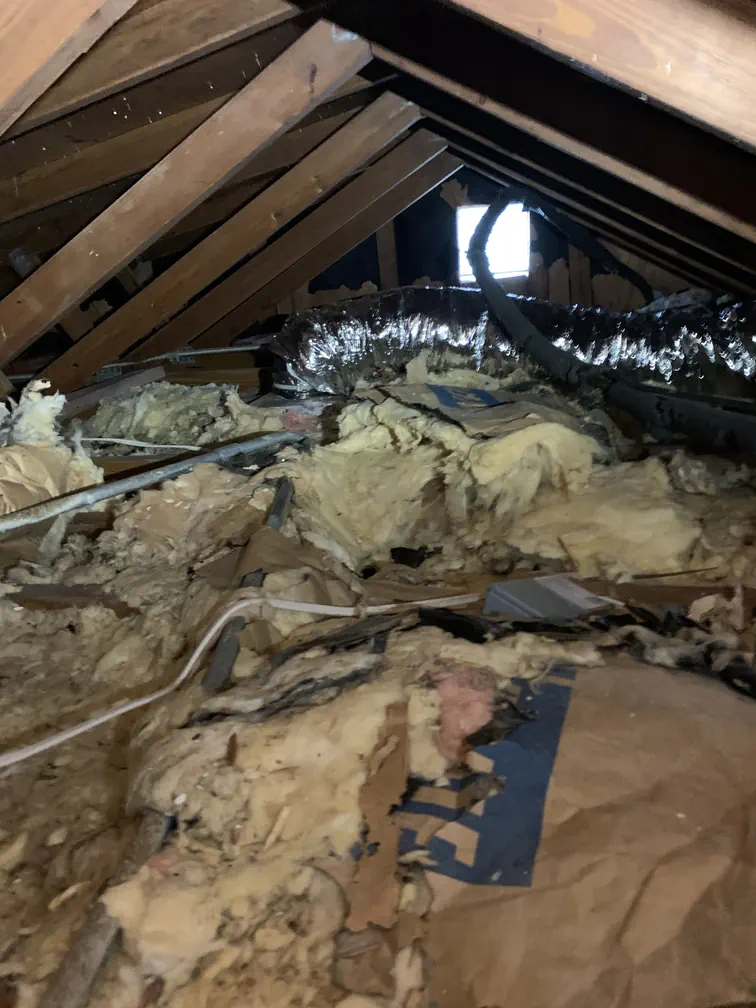
Rat Nest Removal: Safe Cleanup and Infestation Control
Plan rat nest removal around current activity, safe wet cleanup, contaminated insulation and entry repairs. Learn which conditions need professional help.
Plan rat nest removal around current activity, safe wet cleanup, contaminated insulation and entry repairs. Learn which conditions need professional help.
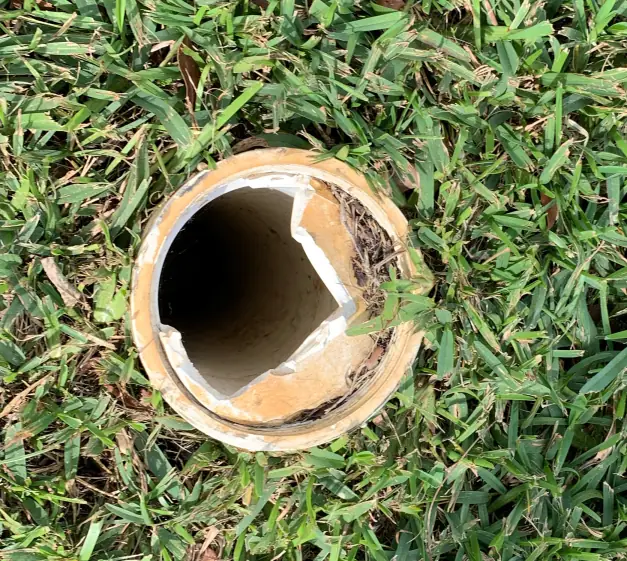
Learn what a sewer rat is, how plumbing routes differ from ordinary gaps, and how to coordinate safe removal, drain assessment, cleanup and follow-up.

Compare mouse-control quote models, access, exclusion, cleanup, follow-up and written terms without relying on unsupported averages or fixed timelines.
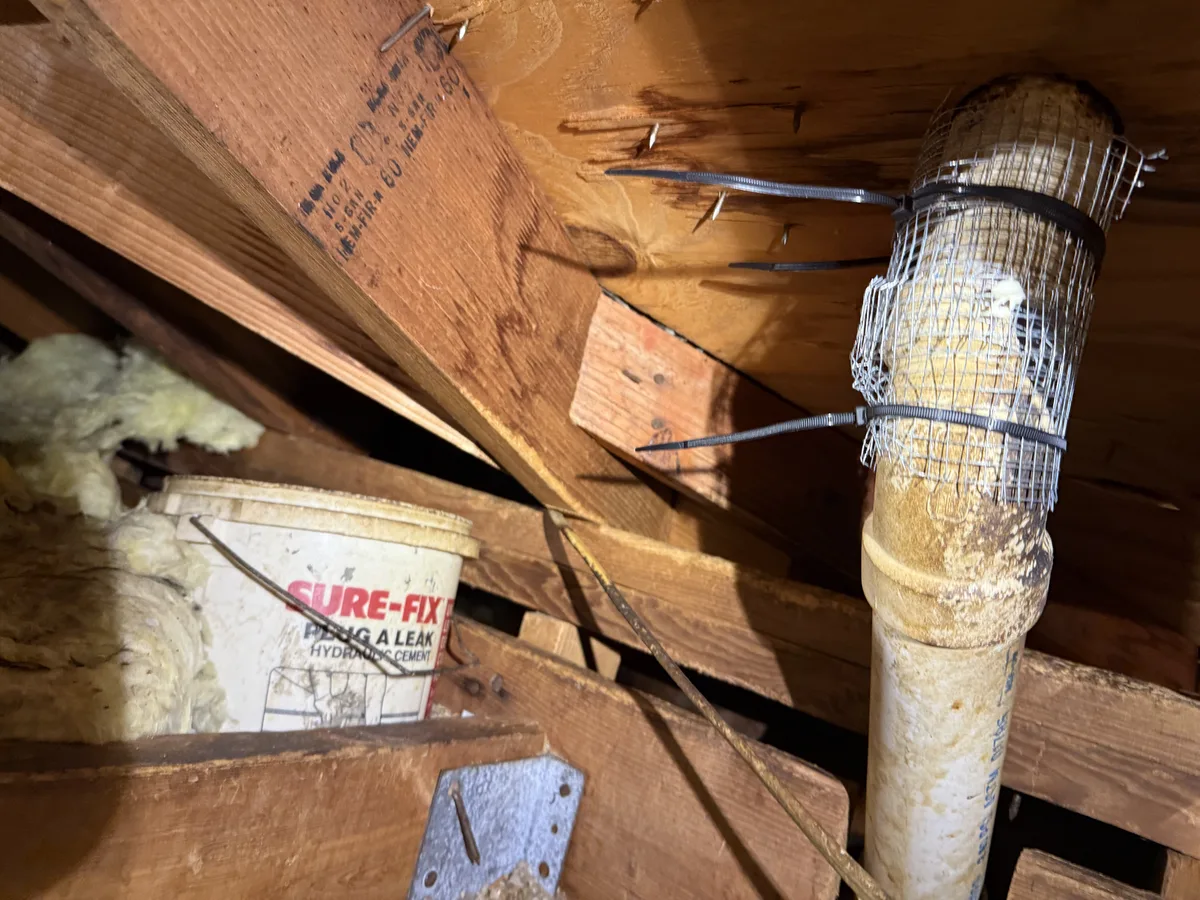
Check Florida rental duties, written lease exceptions, building conditions and rodent complaint records before assigning costs or considering legal remedies.
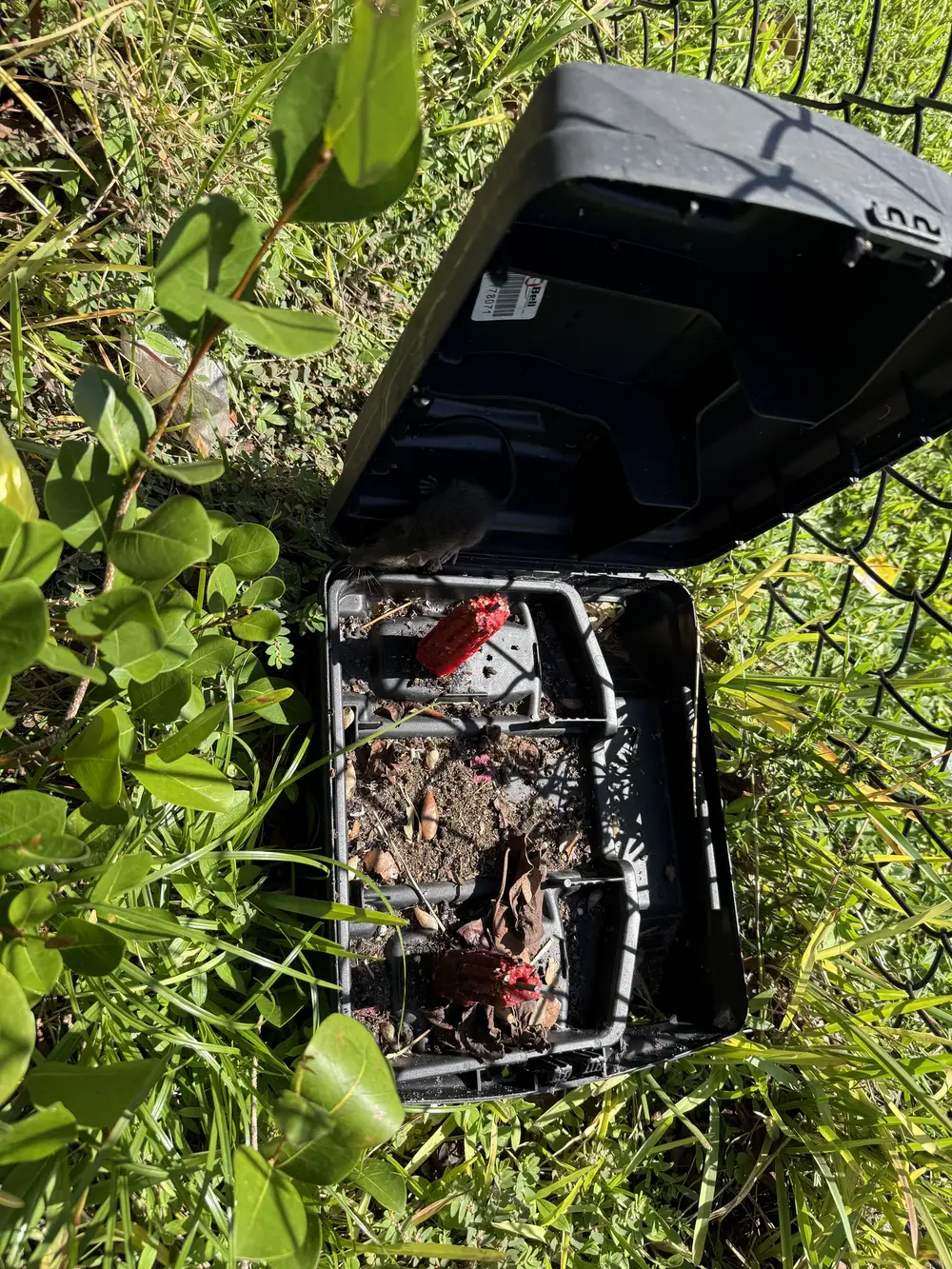
Distinguish Florida pest-control business licenses, certified operators, technician ID cards and limited wildlife credentials before hiring for rodent work.
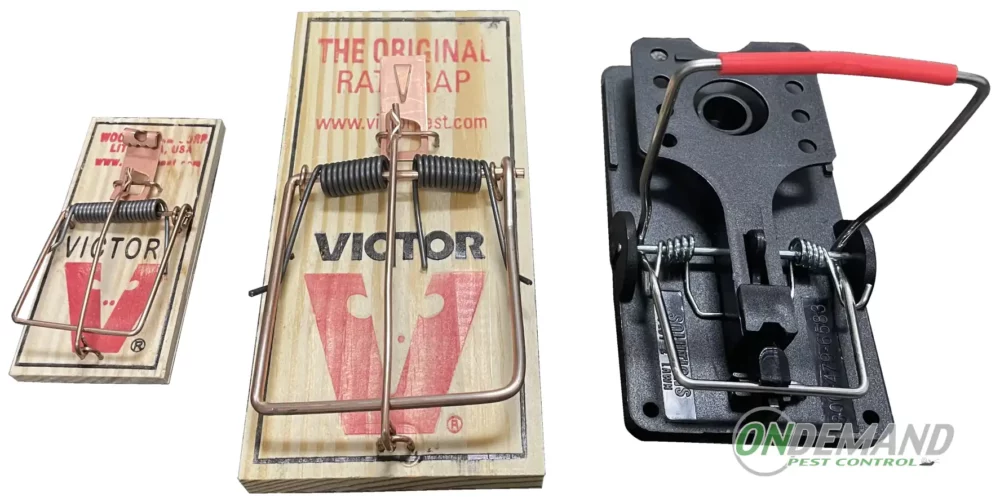
Examine bucket, tipping-bottle and weighted-door mouse-trap mechanisms, bait access and dry testing before considering welfare and lawful handling.
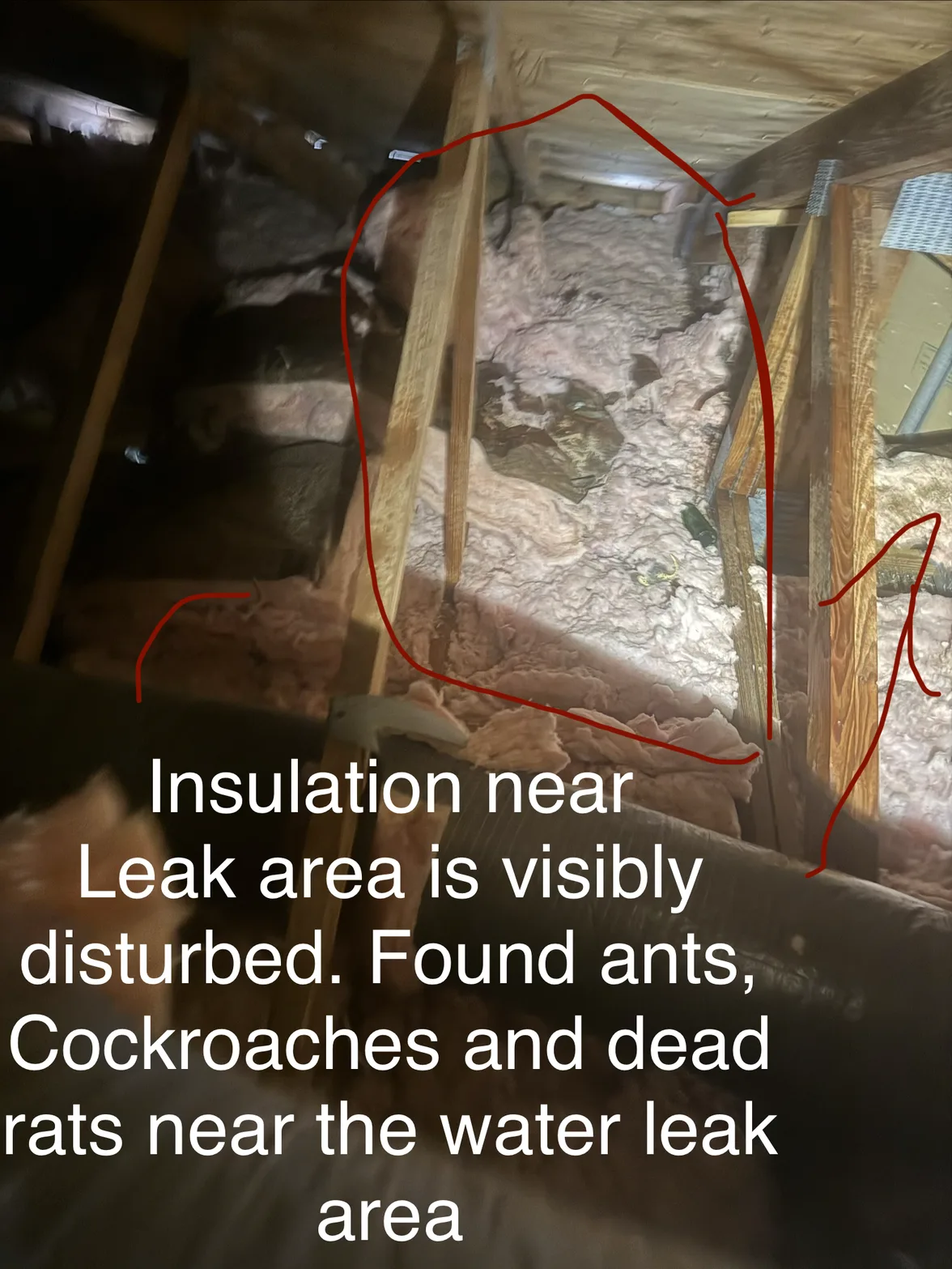
Coordinate mouse and cockroach inspection, sanitation, exclusion, treatment placement and separate monitoring without assuming one pest caused the other.
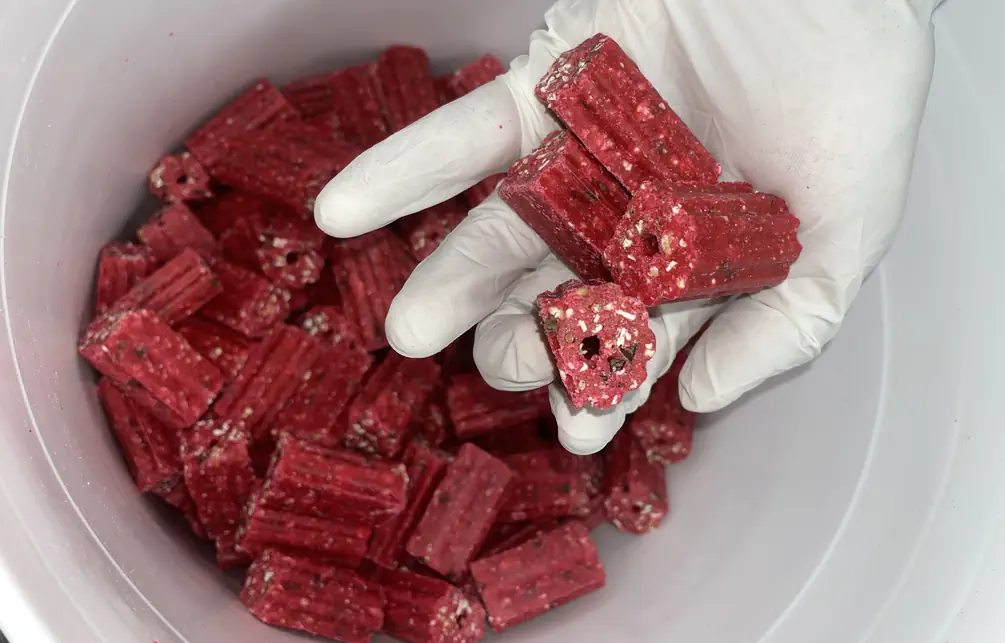
Compare rodenticide classes, direct and secondary exposure, labeling and monitoring trade-offs without treating toxicology descriptions as application instructions.
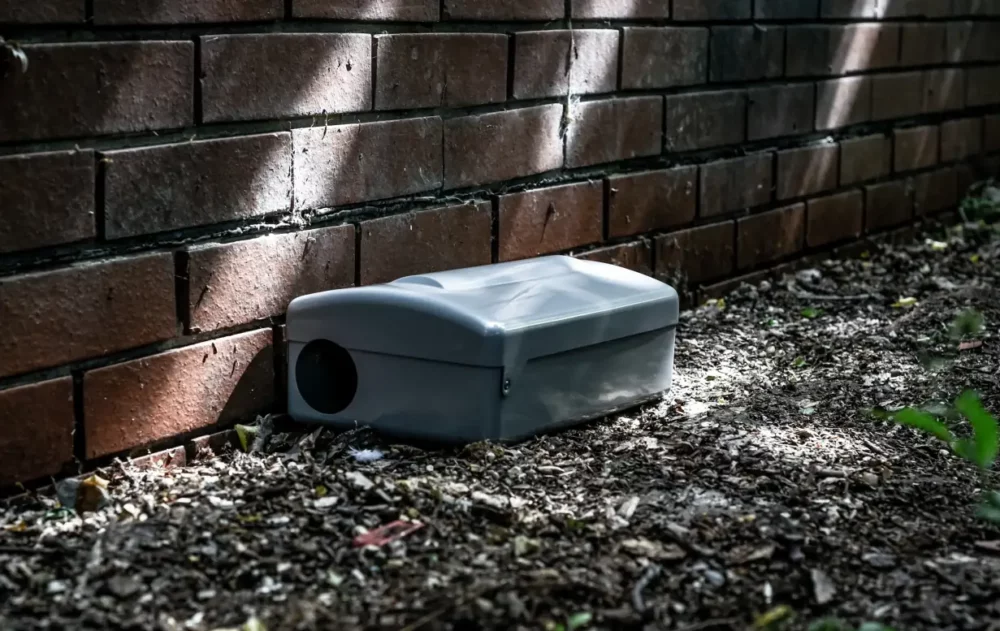
Plan child and pet access protection around rat traps, stations, storage and servicing without relying on pet-safe or tamper-proof promises.
Route rat evidence to a pest provider, landlord, public agency or repair professional, and prepare a useful call without assuming every service is included.
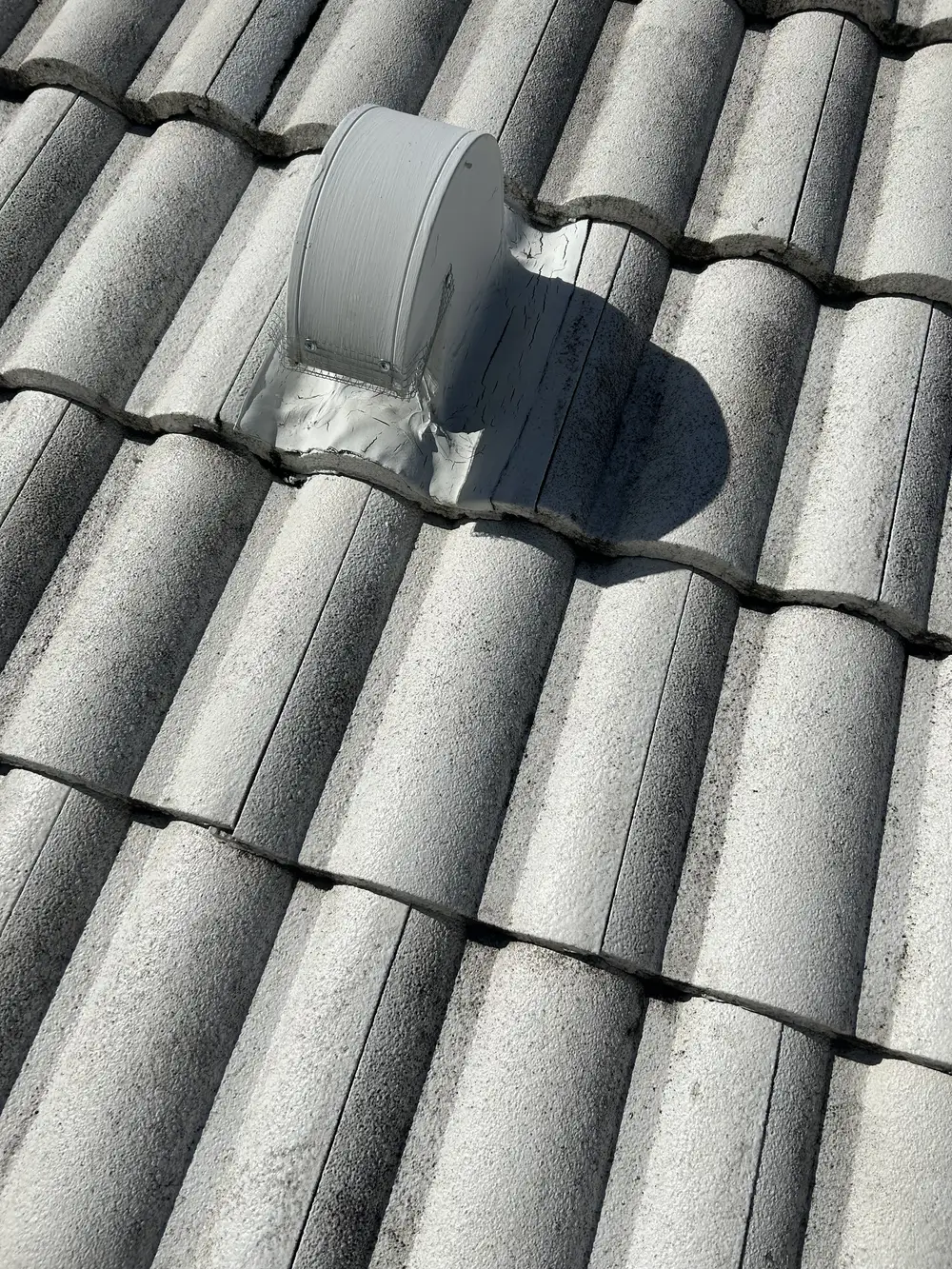
Compare live mouse-trap mechanisms, door and ventilation failures, monitoring demands and Florida release restrictions before choosing a trap.
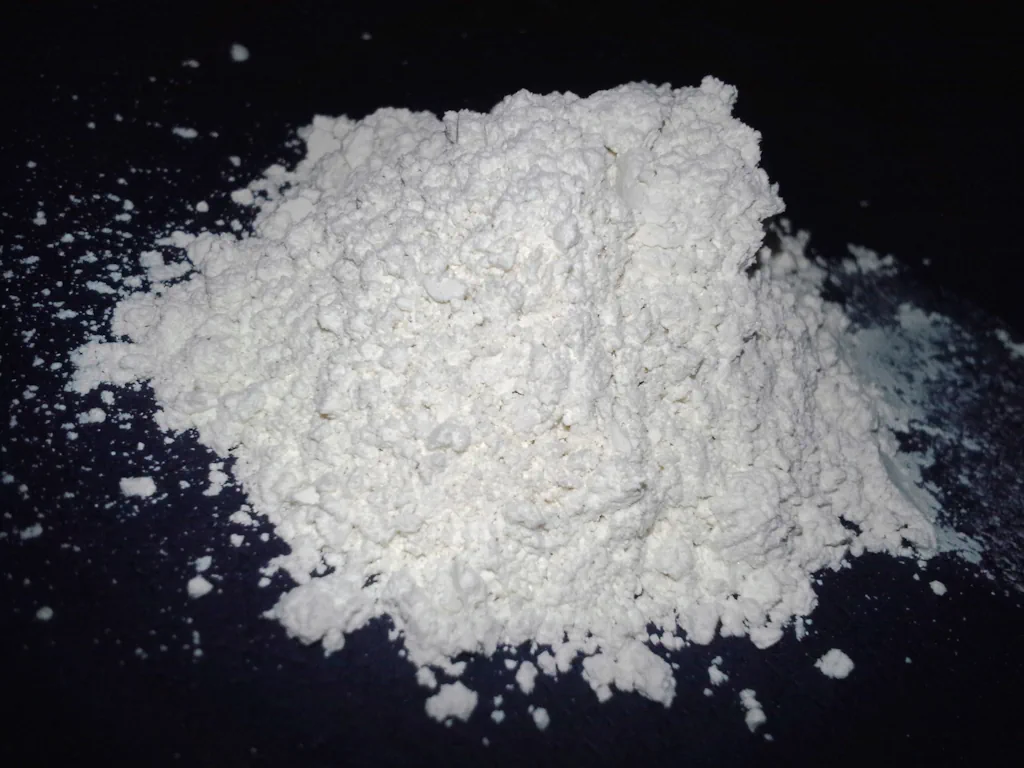
Learn why DE’s insect-desiccant mechanism does not establish mouse or rat control, and assess tracking, flea, food-grade and inhalation claims.
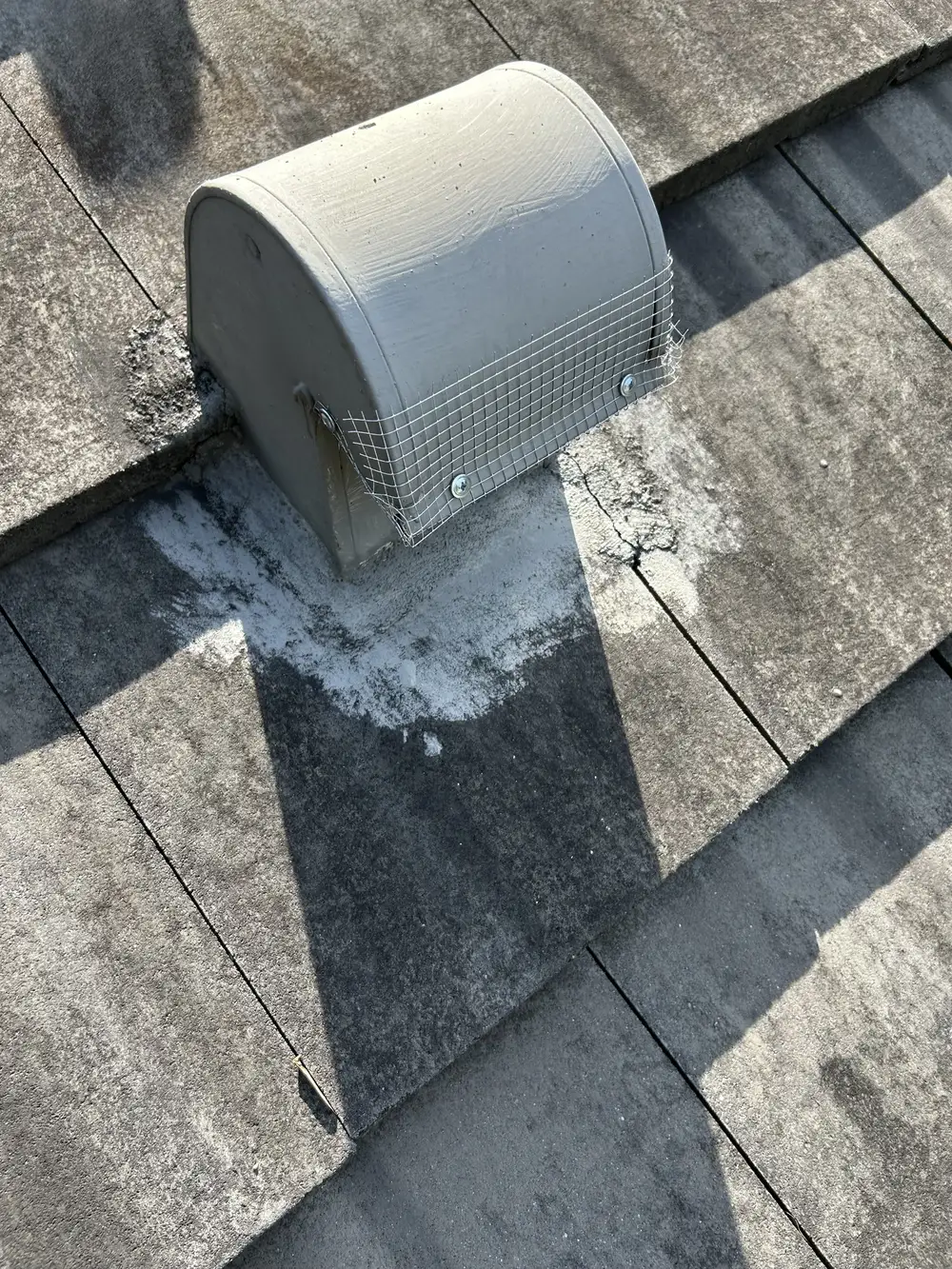
Small dark pellets in a cabinet, drawer, or under the sink may be mouse droppings. They show that a rodent has used the area, but
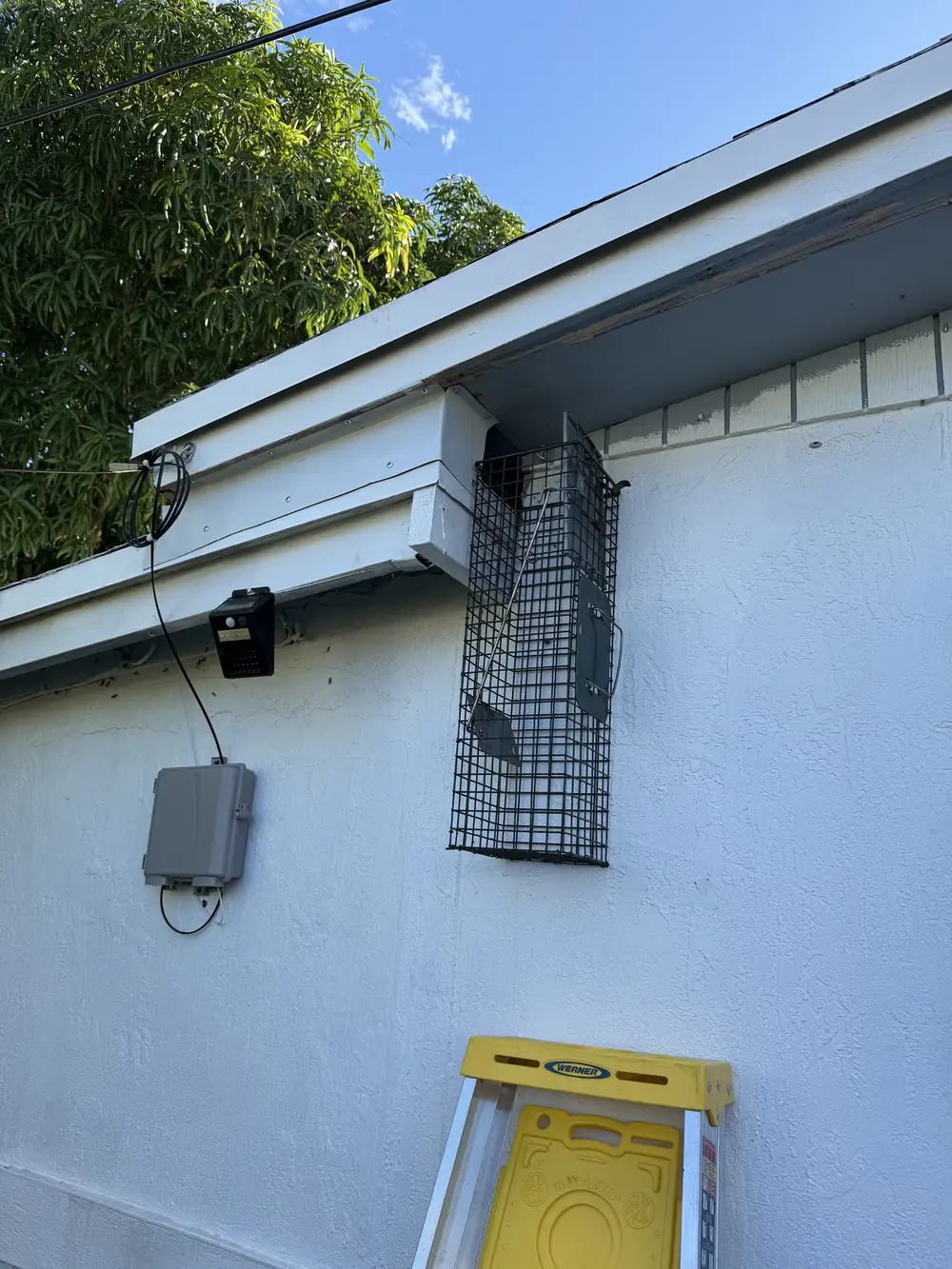
Steel wool can help block mice at a small, suitable gap, but a loose pad is not a lasting repair. Secure it with a compatible
At a glance A rotten odor does not confirm a carcass or its exact location. Use safe inspection and source removal—not blind wall cuts or
At a glance Scratching alone cannot identify mice or measure their population. Record the pattern and inspect accessible areas for physical evidence. Combine safe trapping,

At a glance Droppings, gnaw damage, and nesting material are useful inspection clues. Do not handle pellets or infer population size from sightings. Clean safely,
At a glance: Act promptly with inspection, food reduction, safe control, and coordinated entry repairs—not an overnight elimination promise. What to do today Start by
At a glance: Attic noises are clues, not species confirmation. Safe access, coordinated control, and a separate contamination assessment guide the next steps. What attic
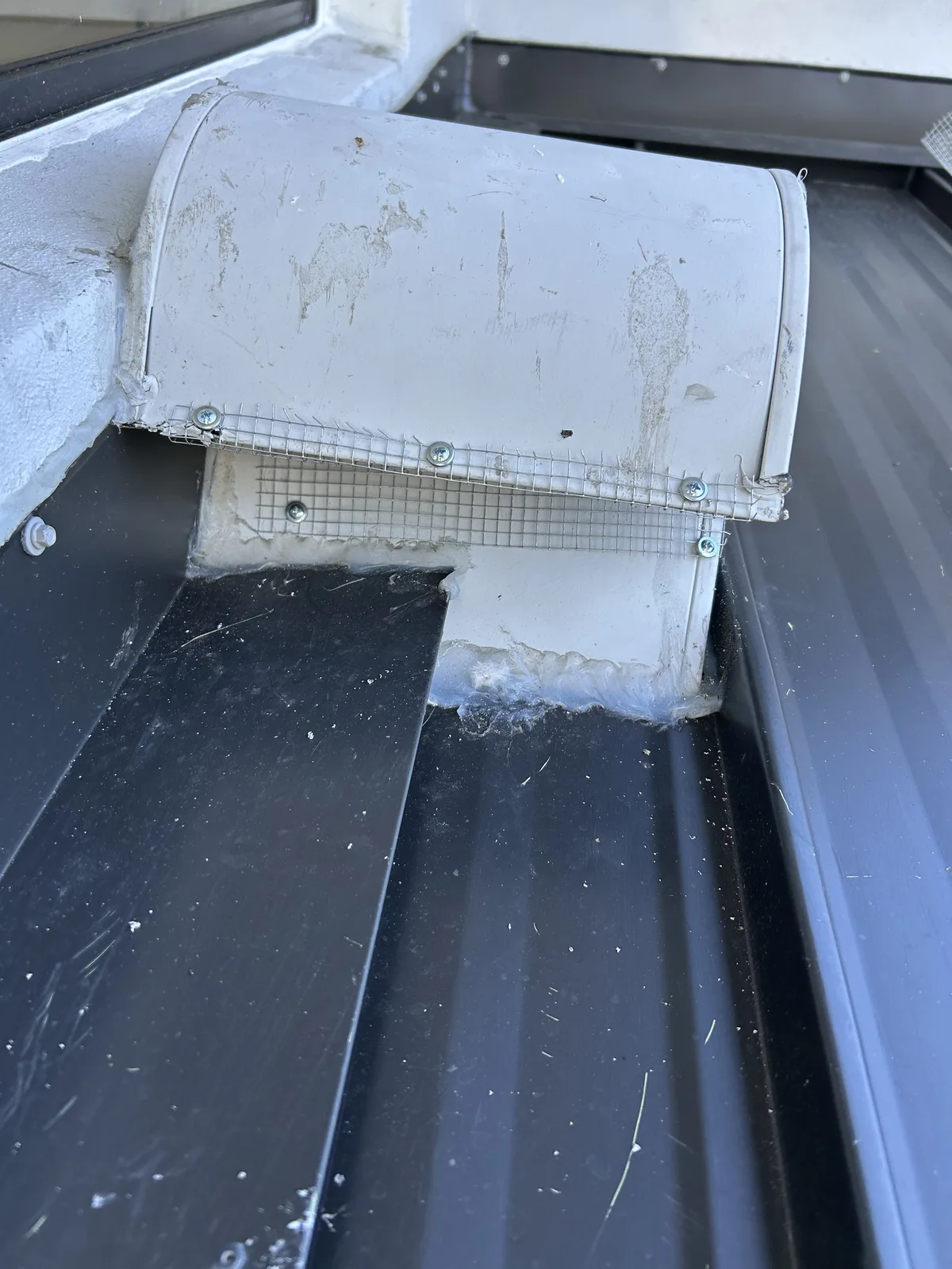
At a glance: Connect roofline entries with physical evidence inside. Safe access and weatherproof repairs matter as much as removal. Why the roofline needs its
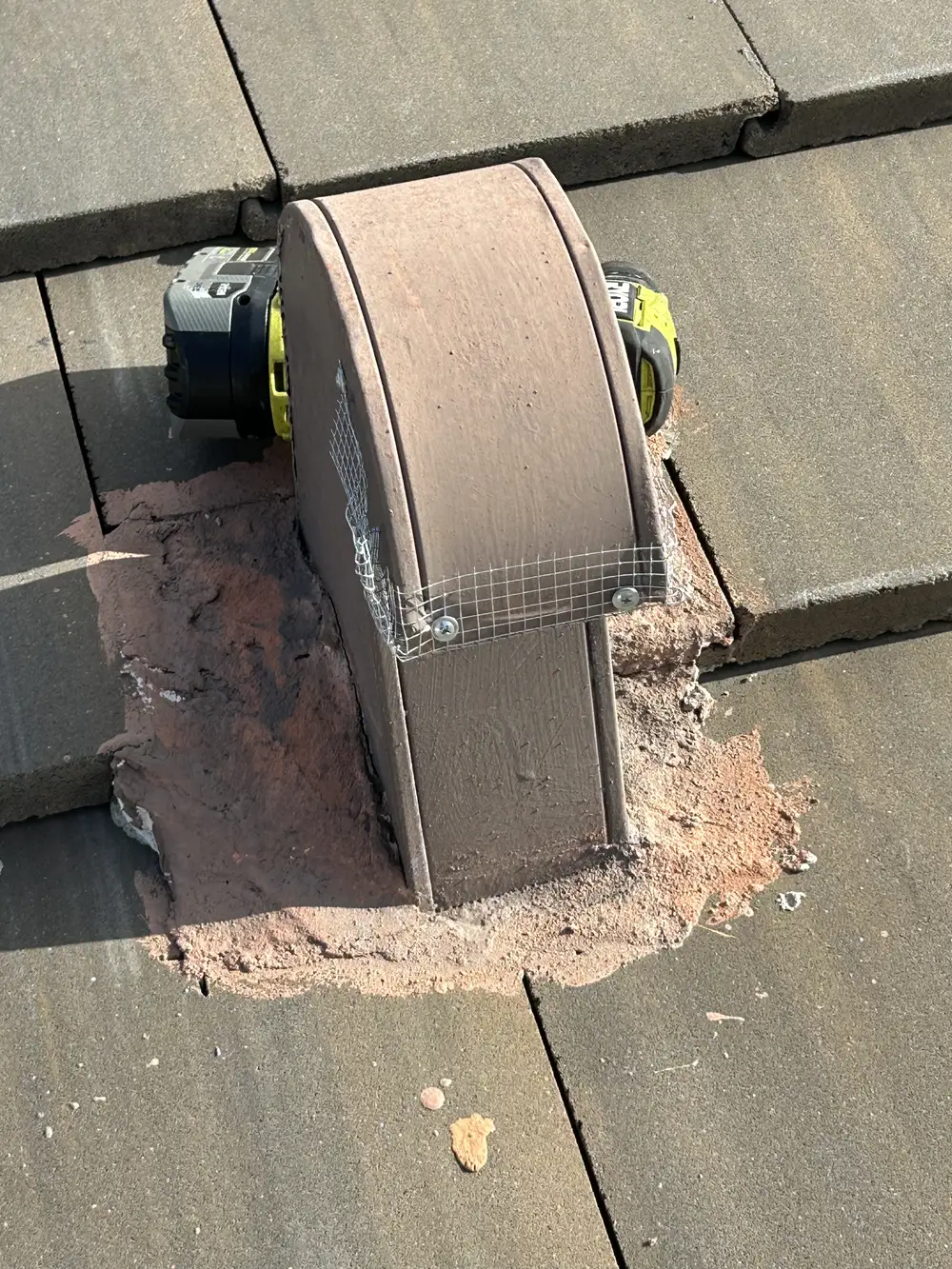
At a glance Droppings, gnawing and repeated activity can indicate rats, but no single clue establishes the species or infestation size. Document the evidence, avoid
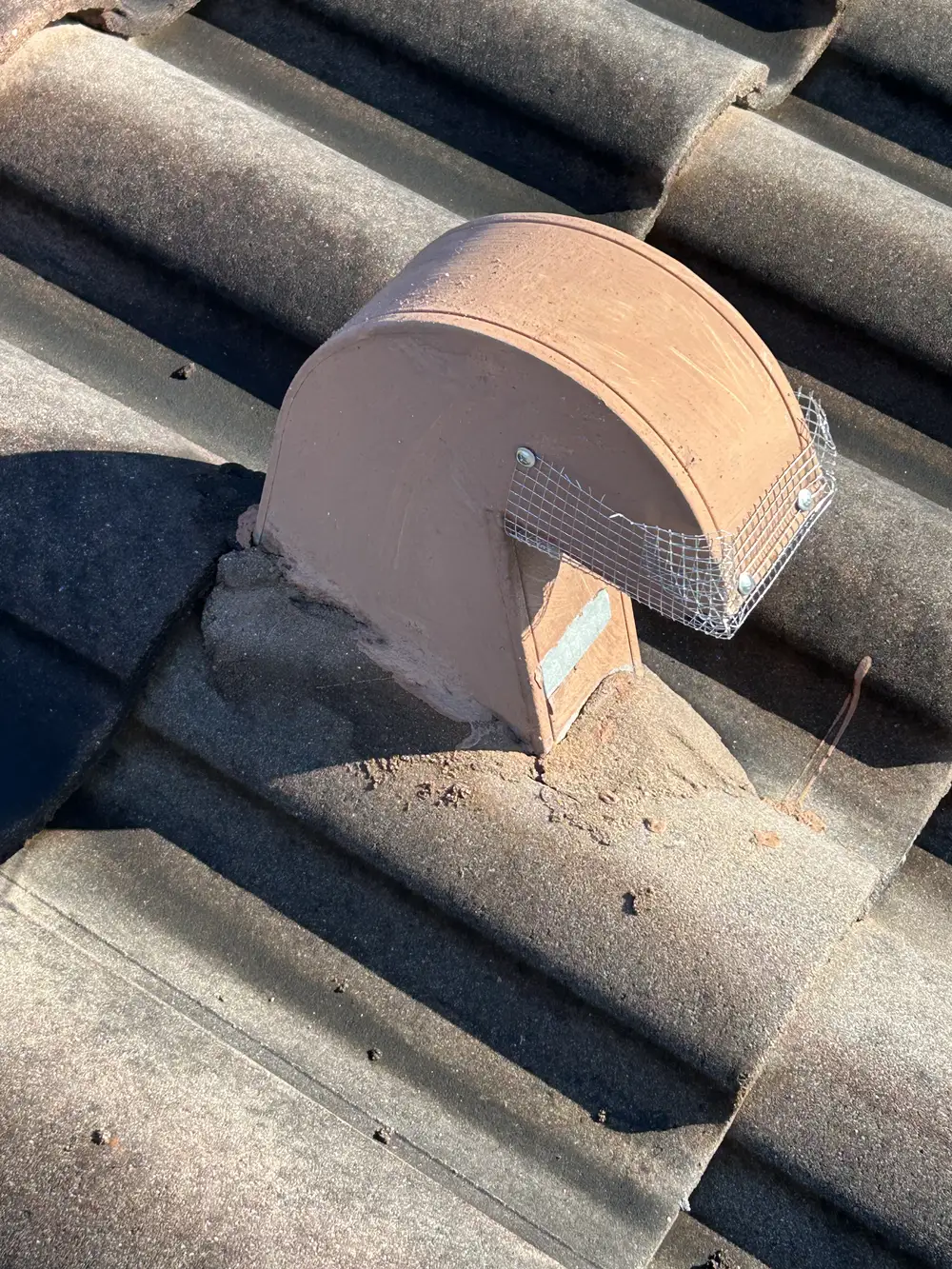
At a glance House mice are small, adaptable rodents. Identification, protected food storage, durable exclusion and careful monitoring matter more than guessed mouse counts or
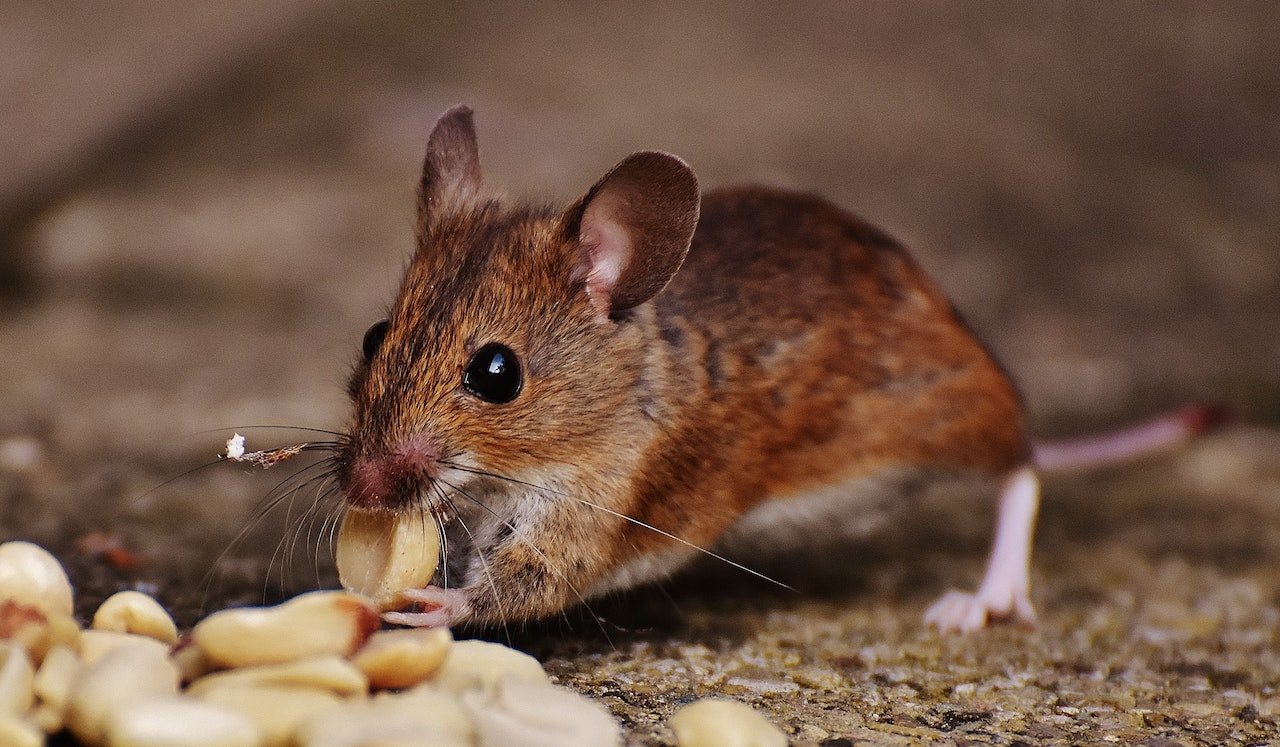
At a glance Compare scope and follow-up obligations, correct access and attractants, and avoid repeated spending on unproven remedies. Spend first on identifying the actual
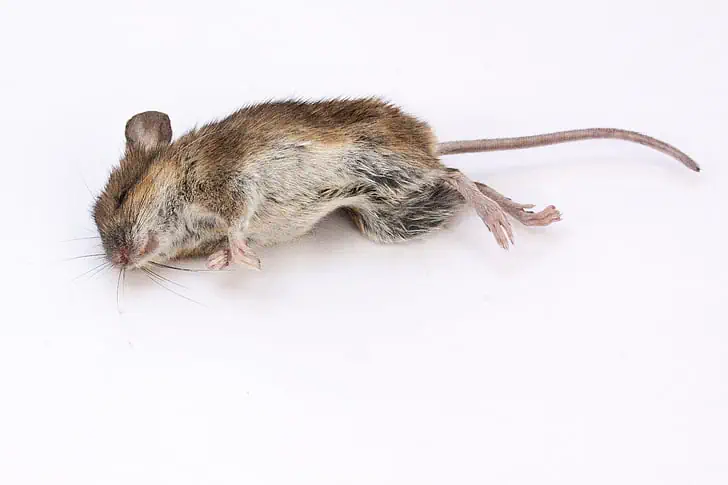
At a glance Locate the source and use CDC wet-cleaning precautions for accessible dead rodents. Odor products do not disinfect contamination or replace safe removal.

At a glance Peppermint scent is not dependable mouse removal or exclusion. Inspect entry points, remove food and monitor a safe trapping plan; concentrated oils
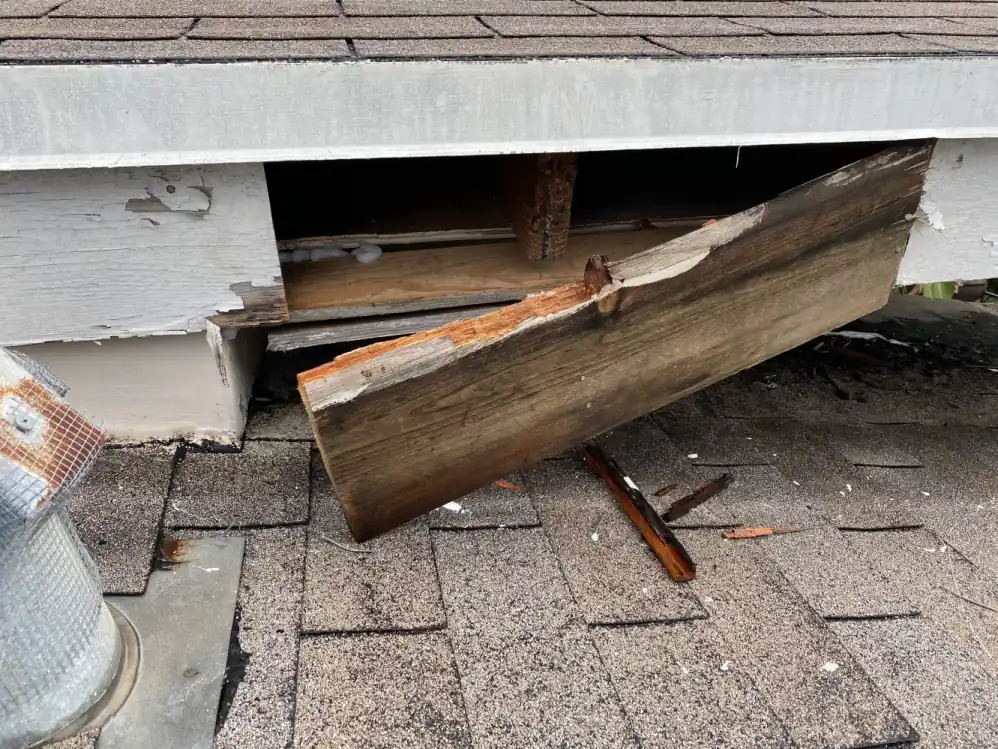
At a glance If you suspect a woodrat in your house, confirm the species before choosing a removal method. Scratching, droppings, and collected debris are
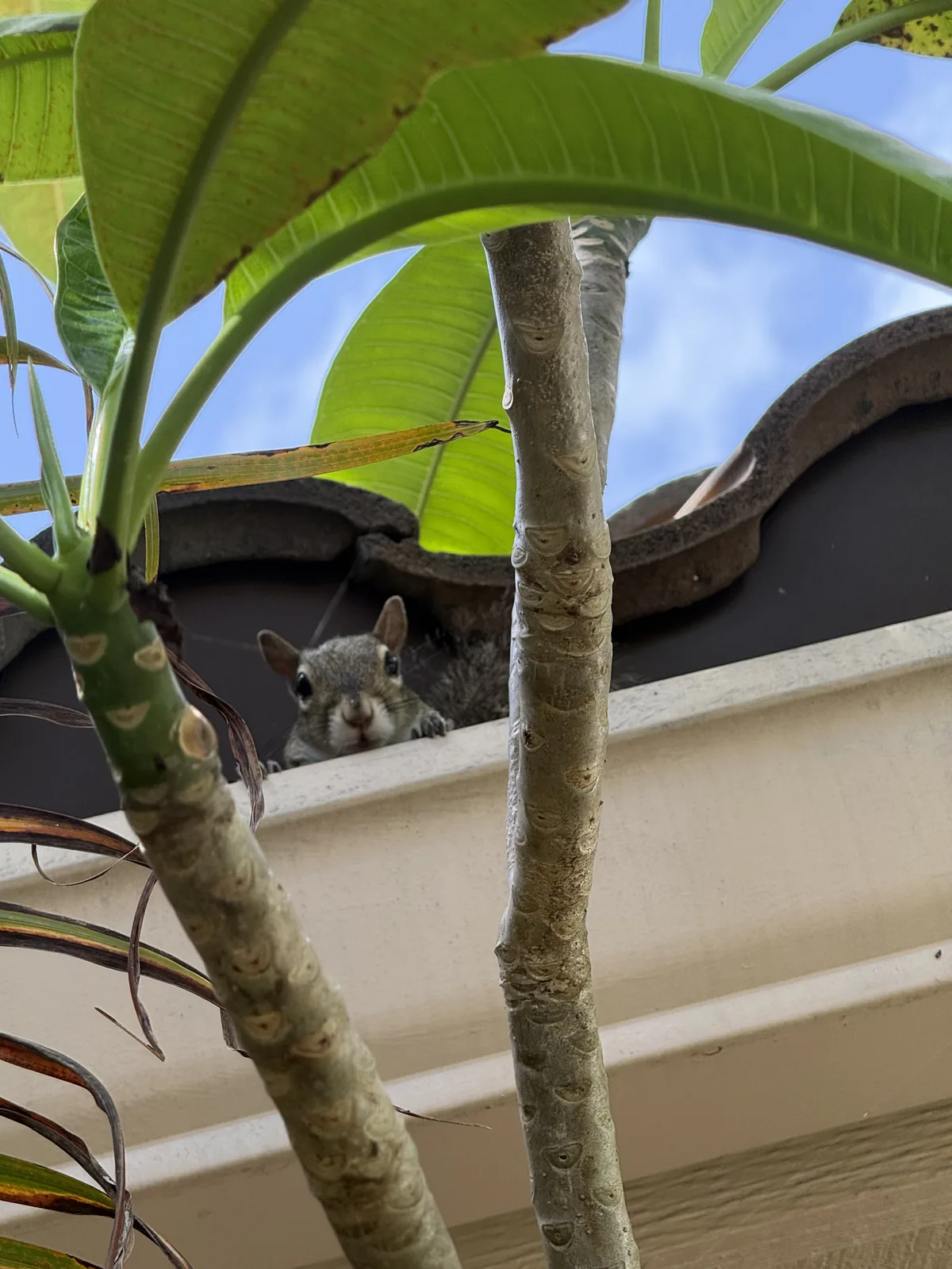
At a glance Squirrels can damage building materials and wiring, but attic noise is not identification. Confirm activity and dependent young before exclusion; repair damage
At a glance The best starting bait for a mouse trap is one the rodents will consume at that site and that can be used
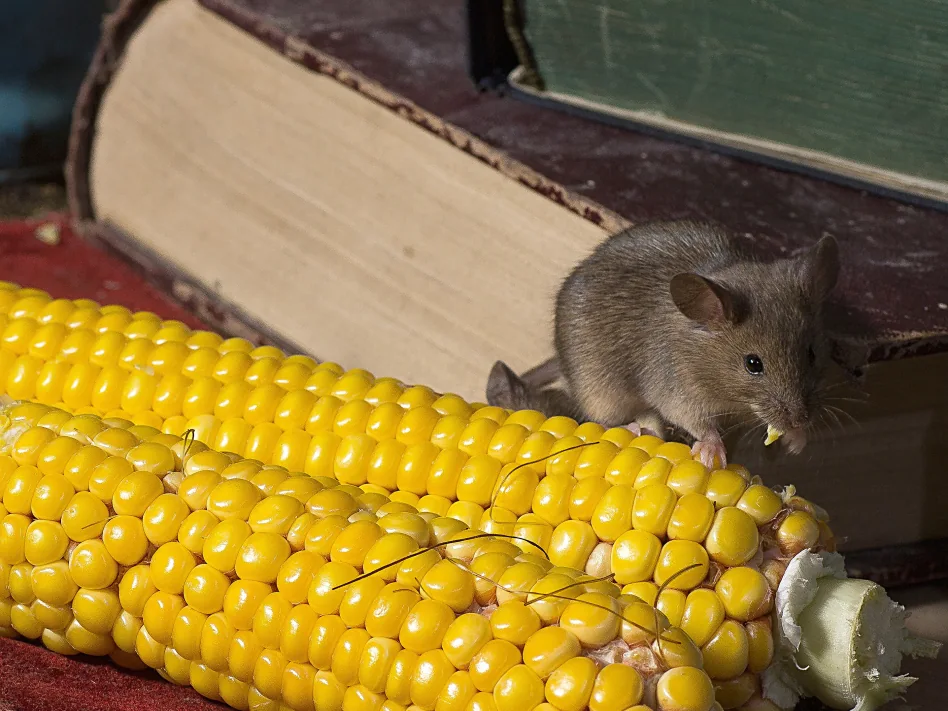
At a glance Rodents use food that is accessible, not simply food whose smell reaches them. Open pet-food bags, fallen fruit, spilled birdseed and crumbs
At a glance Rodent droppings are evidence of an infestation and potential contamination, but their presence does not tell you which pathogen is present or
At a glance Identify roof-rat evidence and entry routes, reduce accessible food and shelter, and use an inspected exclusion and monitoring plan without a permanent
At a glance Workplace mouse prevention combines food and waste management, durable exclusion, identification, and monitoring. Assign responsibility, track findings, and use CDC precautions for

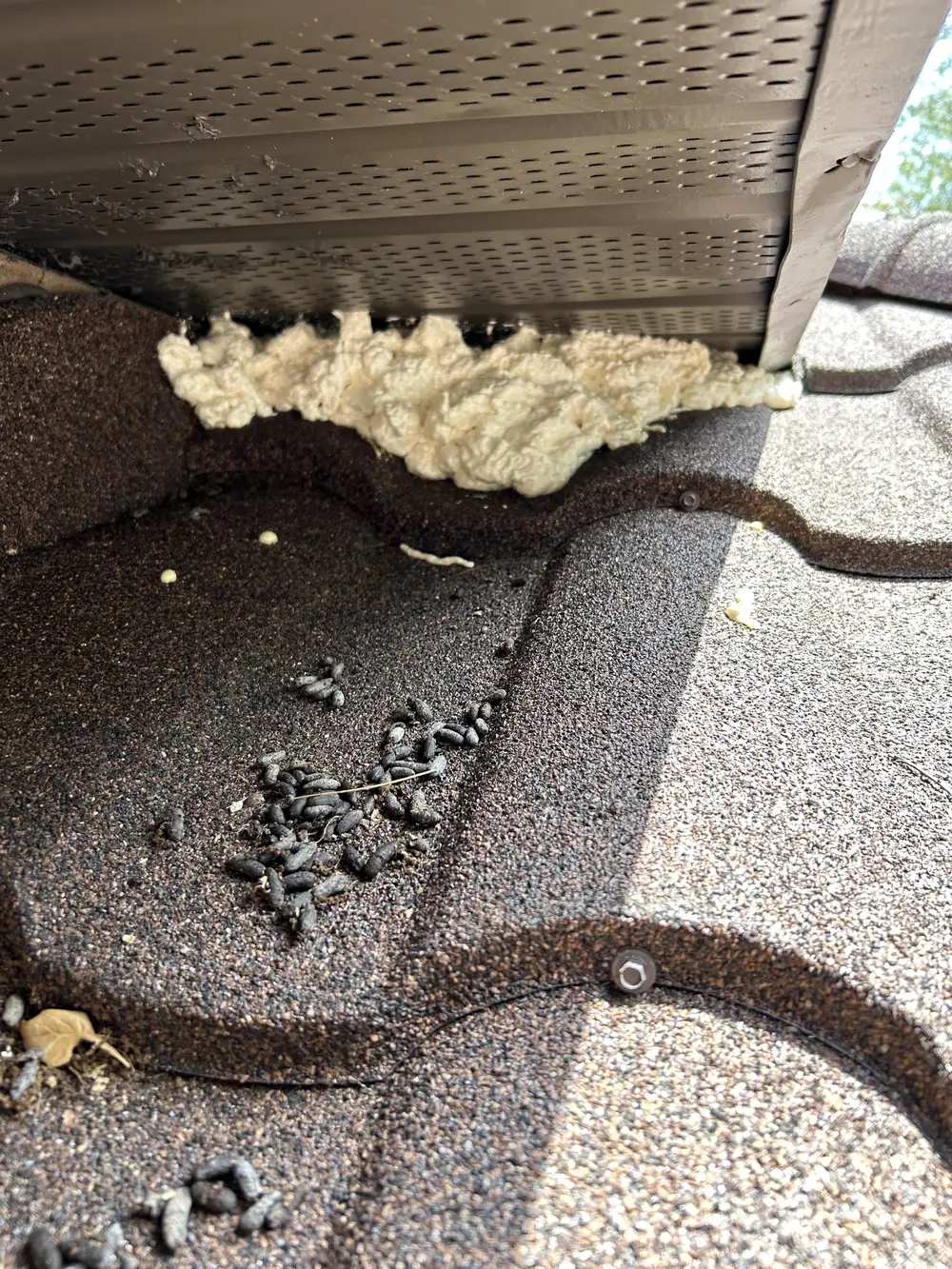
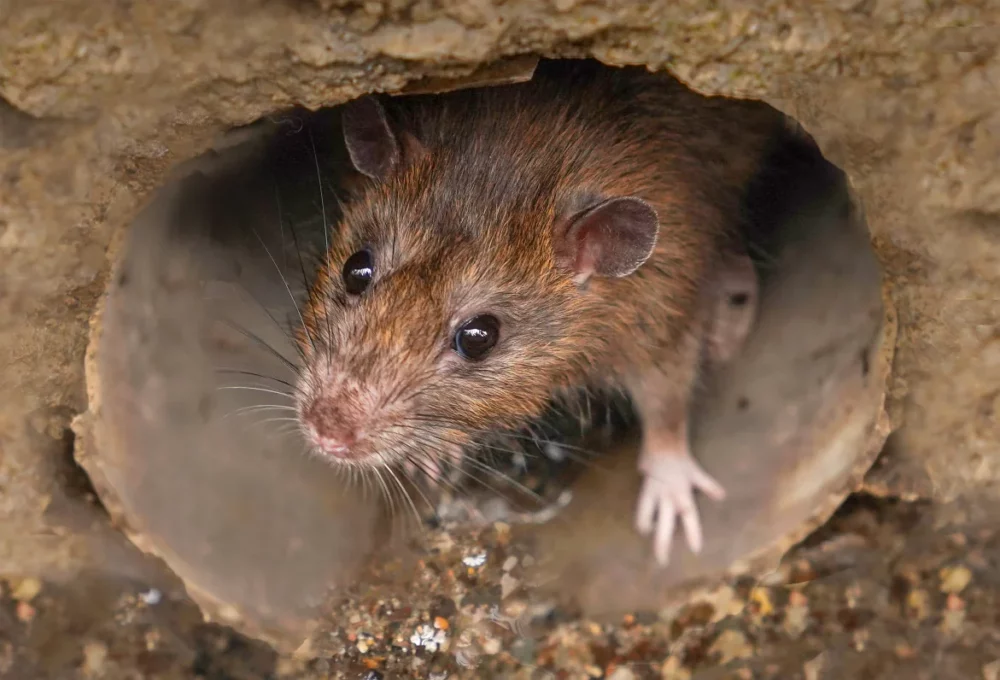
Rodents can use sheltered building spaces when they have access. Damaged or contaminated insulation may be one consequence, but the material alone does not explain why an animal entered. Replacing insulation without resolving the access problem can leave the new material exposed to the same activity.
Combine identification, entry repair, professional removal, food management and follow-up without overlooking wildlife or pesticide risks.
Learn how to inspect accessible entry routes, compare household rodents and decide when professional identification and cleanup are needed.
Build a Naples rodent plan around identification, durable exclusion, food and water management, and documented professional follow-up.
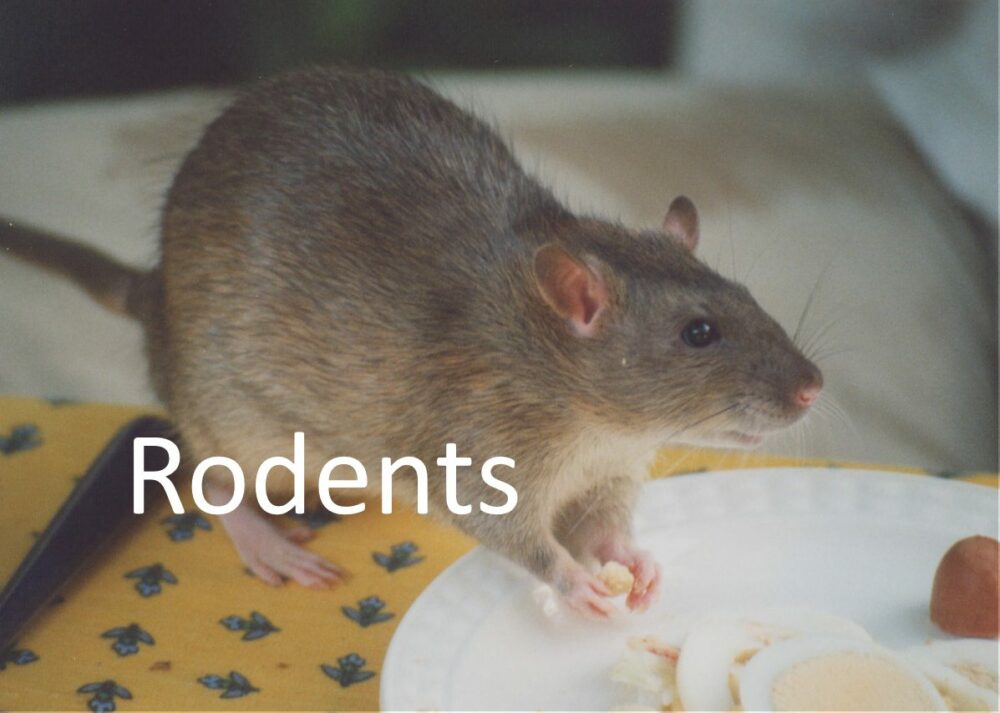
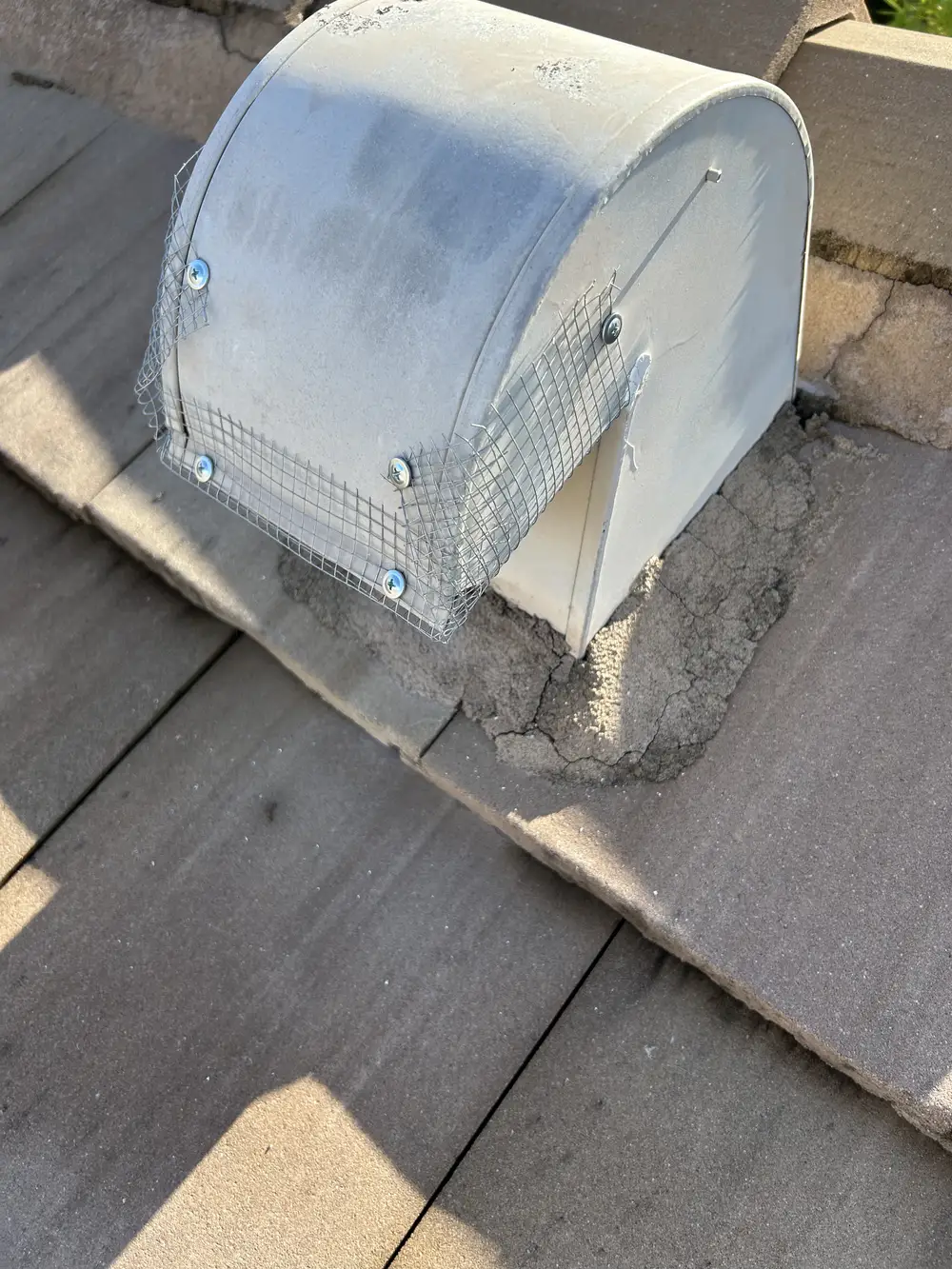
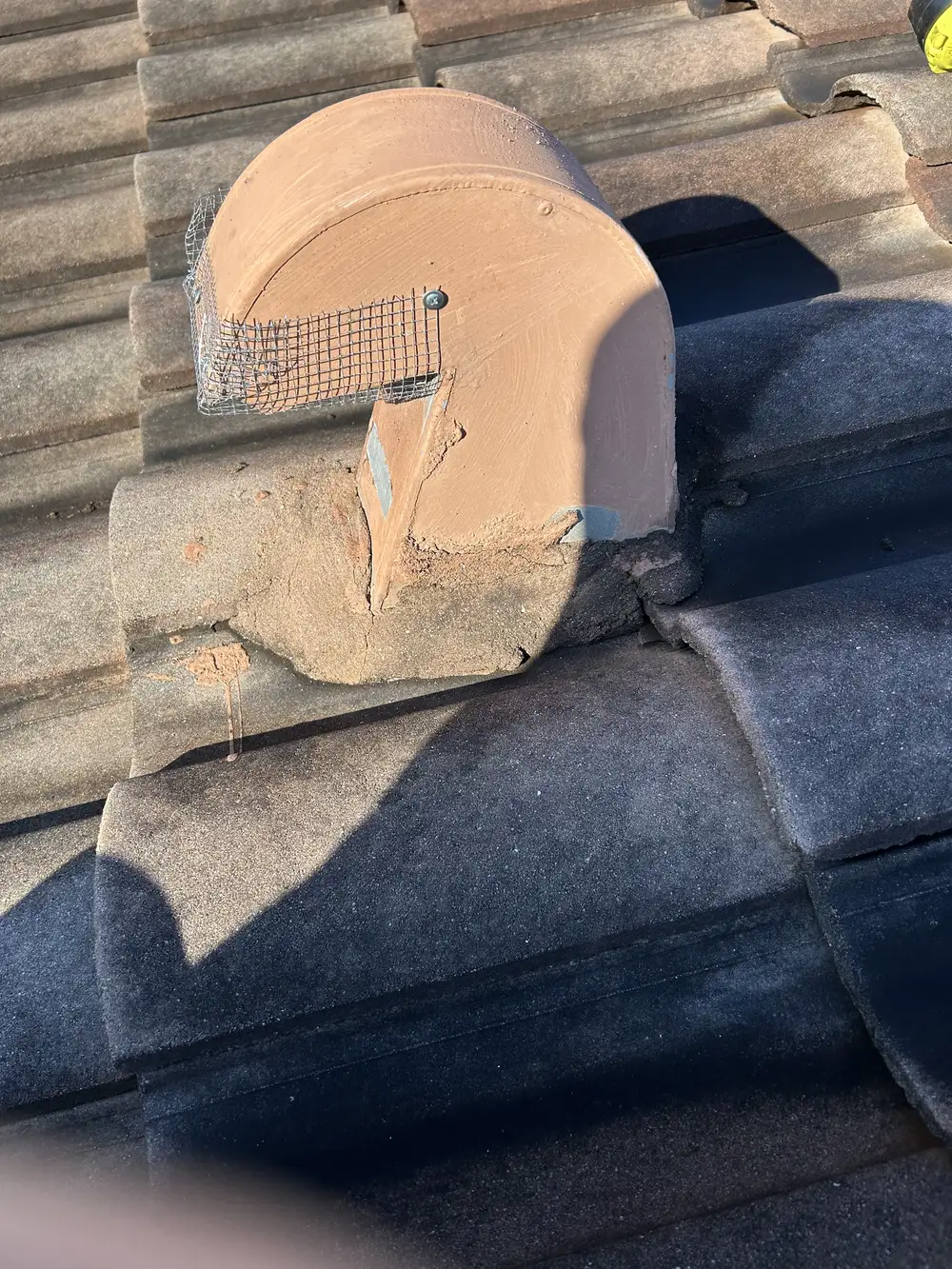
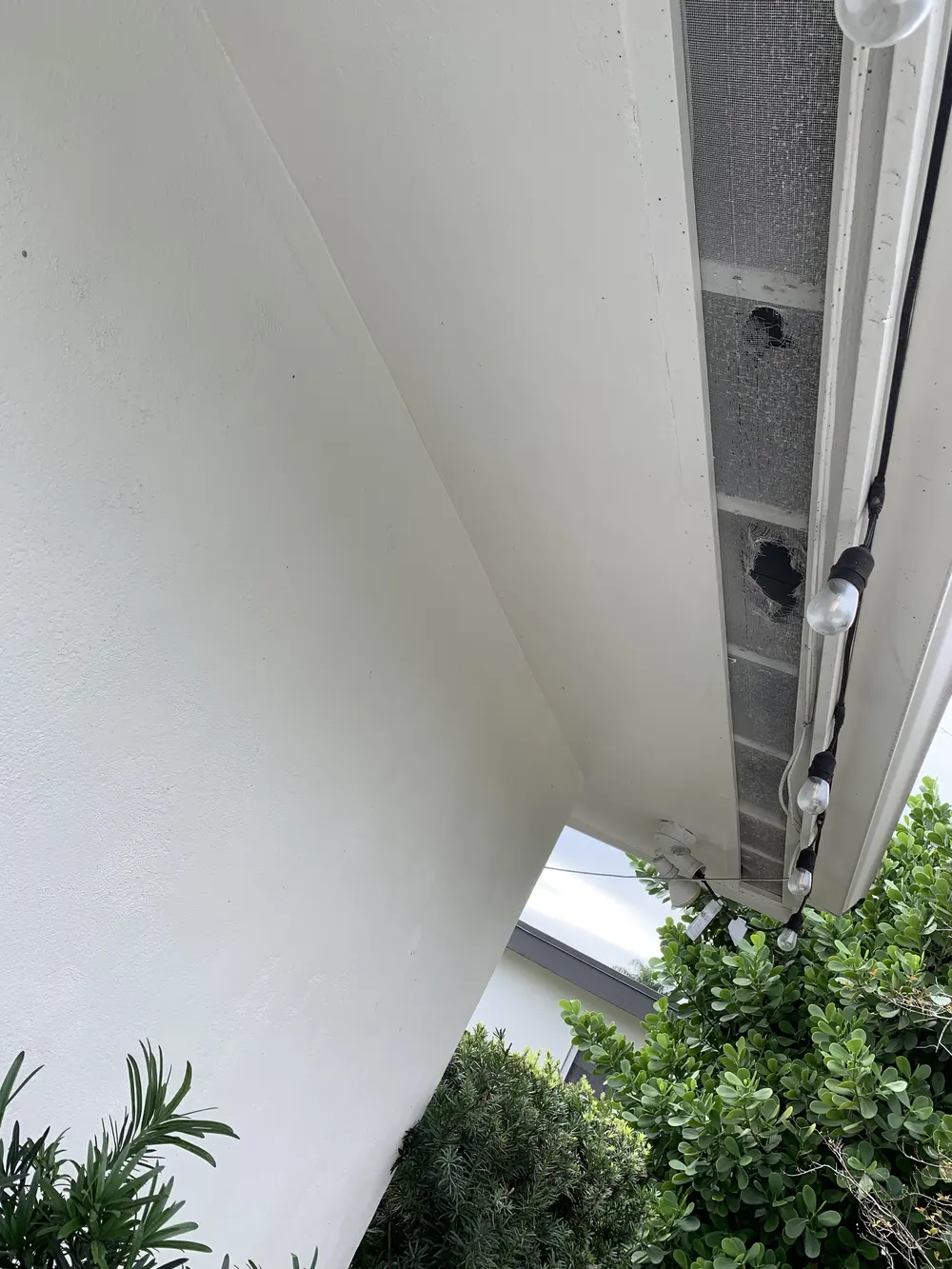
Roof rats can use trees, vegetation, and structural openings to reach attics and other protected spaces. A lasting response starts with confirming the animal, documenting activity, reducing food and shelter, and planning exclusion with qualified control. Noises or droppings alone should not trigger sealing, poison placement, or wildlife handling.
Judge mouse activity by corroborating signs, affected spaces and renewed evidence, then prioritize food protection, safe cleanup and a monitored control plan.
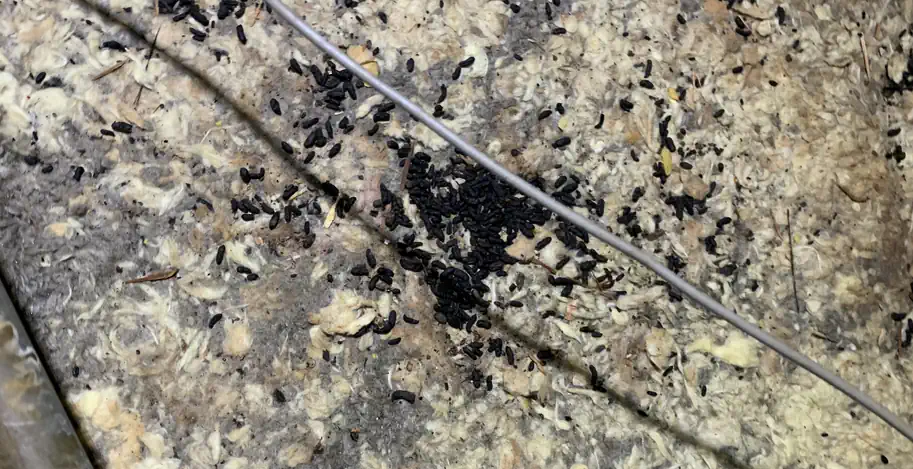
Use size, shape and location together to distinguish likely rodent droppings, confirm current activity through monitoring, and clean contaminated areas without raising dust.
Compare ultrasonic devices, peppermint and household remedies with durable exclusion and monitored control, using clear evidence and product-safety limits.
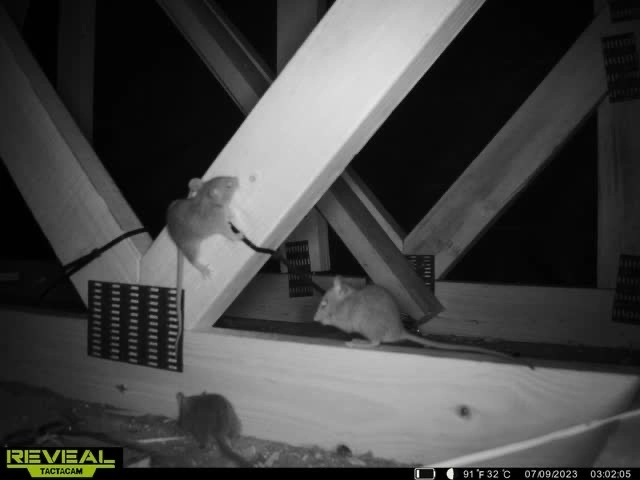
Identify attic activity from safely observed evidence, then use a qualified species-specific plan that respects Florida wildlife protections and separates control, cleanup and repairs.
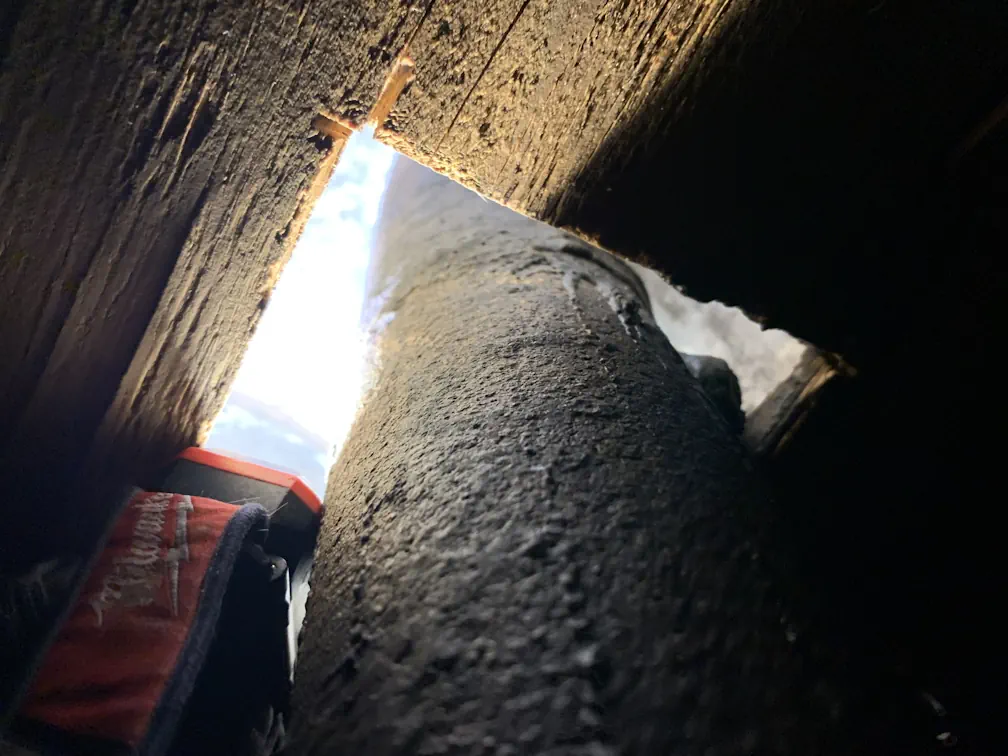
Trace attic mouse activity to access, shelter and nearby resources, then prioritize durable repairs and a monitored plan rather than scented products or insulation promises.
Treat dark coat color as one observation, distinguish a mouse from a young rat using several features, and select management only after the animal and routes are assessed.
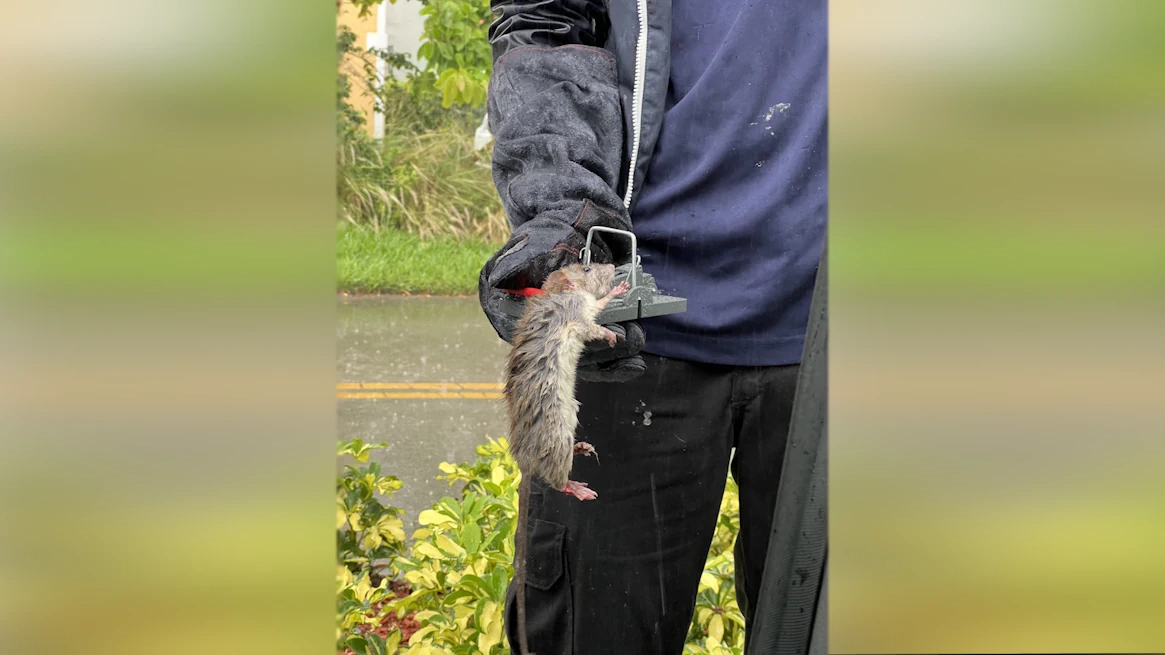
A wall or crawlspace mouse plan should identify the animal and routes, use accessible monitored control, coordinate durable repairs and assess contamination without promising access or a fixed finish date.
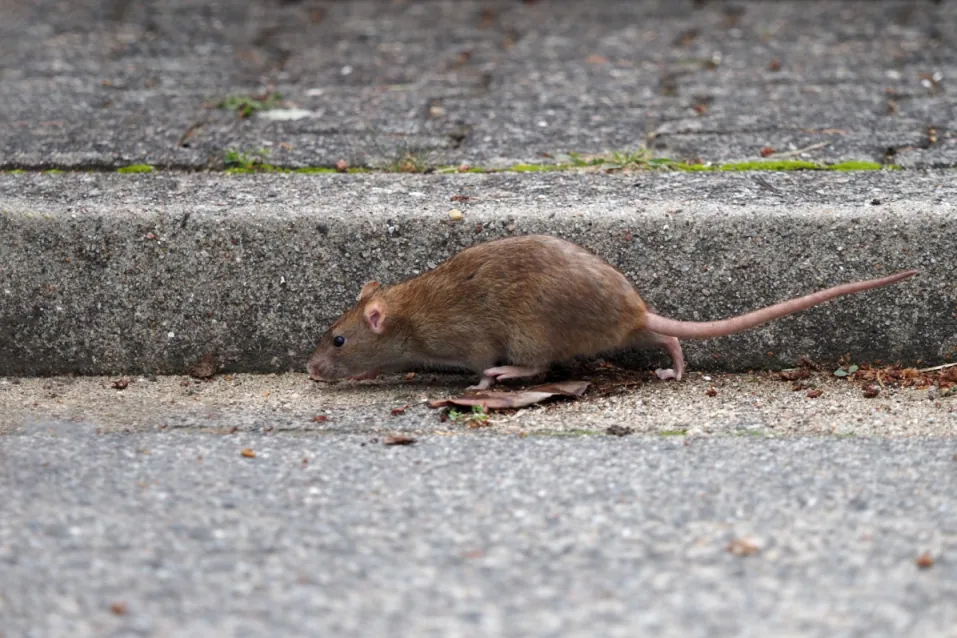
Protect kitchen food and occupied areas first, identify the rodent and access route, then coordinate professional control, durable repairs and safe contamination management.
Use stains and UV fluorescence as screening clues, corroborate them with current rodent evidence, and choose cleanup by surface and exposure rather than appearance alone.

House-mouse lifespan varies with species and conditions; reproduction and continuing access make waiting for old age an unreliable household control strategy.
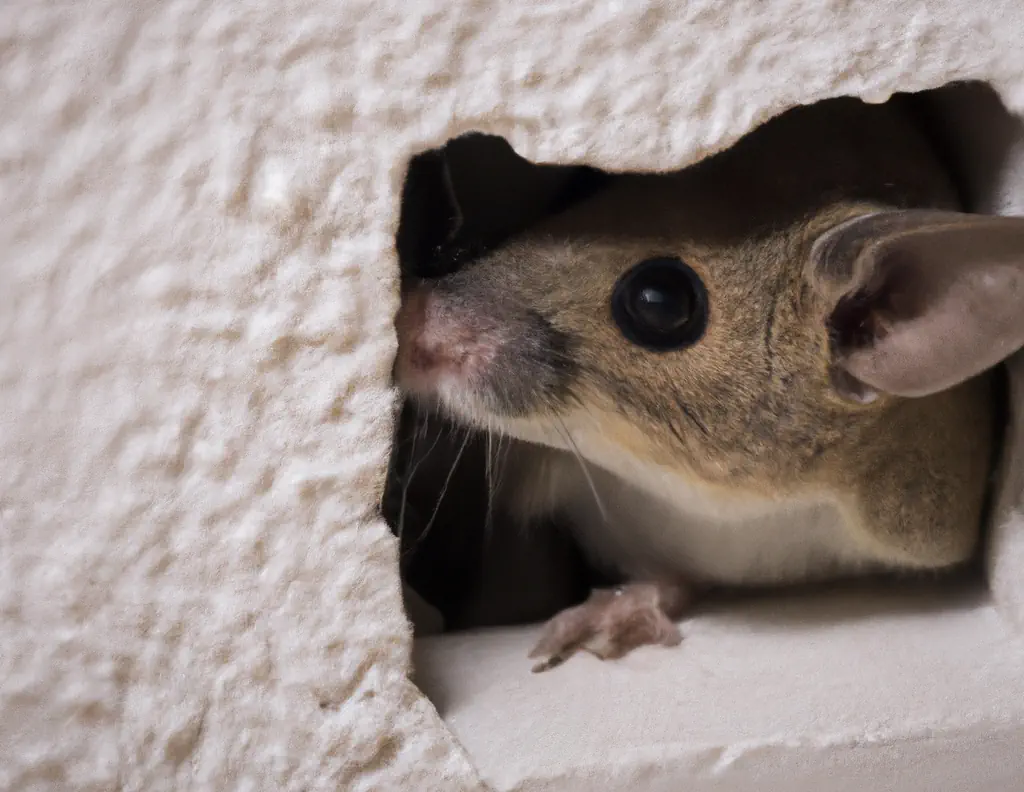
Mice have a mammalian skeleton, and pest-management guidance documents quarter-inch access. Inspect entry gaps and compare durable repairs without relying on unverified compression claims.

Use “vermin” as an informal problem description, identify the actual animal, and base urgency and treatment on current activity, contamination and species-specific protections.
Record wall-noise timing and location, compare physical pest signs and species, and arrange assessment when the cause is uncertain.
Separate newborn development, weaning, sexual maturity and adult size; use a bounded house-mouse timeline to explain early inspection without predicting a home’s future population.
At a glance Understand low rodent rabies risk, other rat-associated infections, bite follow-up and a practical plan to reduce household contact. A rat bite calls
At a glance A practical plan for a bedroom mouse: reduce contact tonight, check contamination safely and arrange inspection, exclusion and follow-up. If you see
At a glance Learn the exposure routes associated with mouse waste, CDC wet-cleanup guidance, when to get medical advice and how to prevent renewed contamination.
At a glance One mouse sighting cannot count an infestation. Learn which signs reveal current activity, how reproduction affects urgency and what to inspect next.
At a glance Learn how mice reach upper floors, which surface comparisons have limits and how to inspect and repair routes without disturbing hidden contamination.
At a glance Check likely mouse shelter sites room by room, distinguish signs from proof of a nest and plan cleanup, access repairs and professional
At a glance Understand why rat survival has no reliable household deadline and how food, moisture, shelter and access fit into a practical control plan.
At a glance Identify a brown mouse using several clues, compare house mice with native mice and young rats, and plan inspection, cleanup and prevention.

At a glance Inspect outdoor rat signs, reduce food and shelter near buildings, protect entry points and discuss a species-specific professional control plan. Outdoor rat

At a glance Reduce unwanted mouse activity near sheds and buildings while protecting native species, checking small entry gaps and planning professional follow-up. A mouse
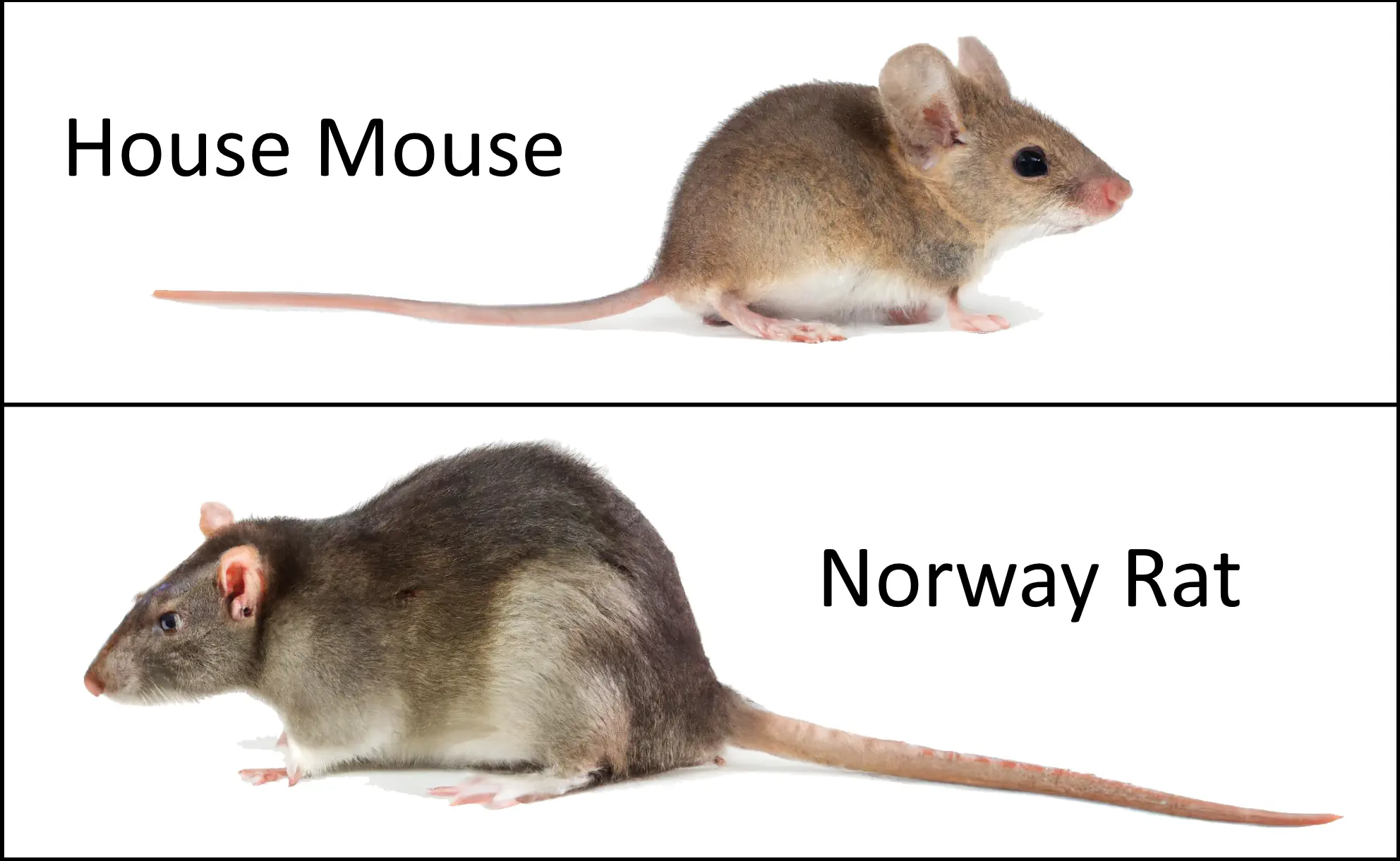
At a glance Compare house mice, roof rats and Norway rats, interpret droppings and habitat clues, and plan species-specific inspection, cleanup and prevention. Rats and
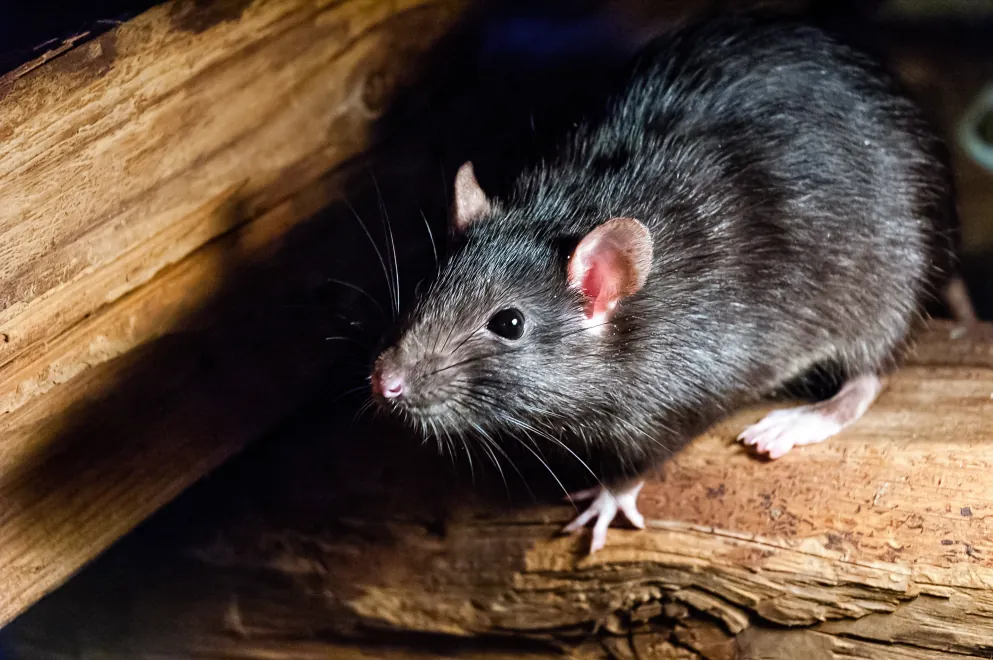
At a glance Recognize rat-related signs, distinguish current activity from old evidence and plan safe inspection, contamination assessment and access repairs. Rats may leave droppings,
At a glance Recognize possible mouse nesting material, compare it with surrounding signs and plan species identification, cleanup and access prevention. A mouse nest may

At a glance Compare deer-mouse and house-mouse appearance, nesting and habitat, then plan safe identification, contamination assessment and access prevention. A white belly, white feet
At a glance Understand suspected mouse bites, wound and vaccine assessment, bedroom inspection and practical steps to reduce household rodent contact. Mice can bite, and
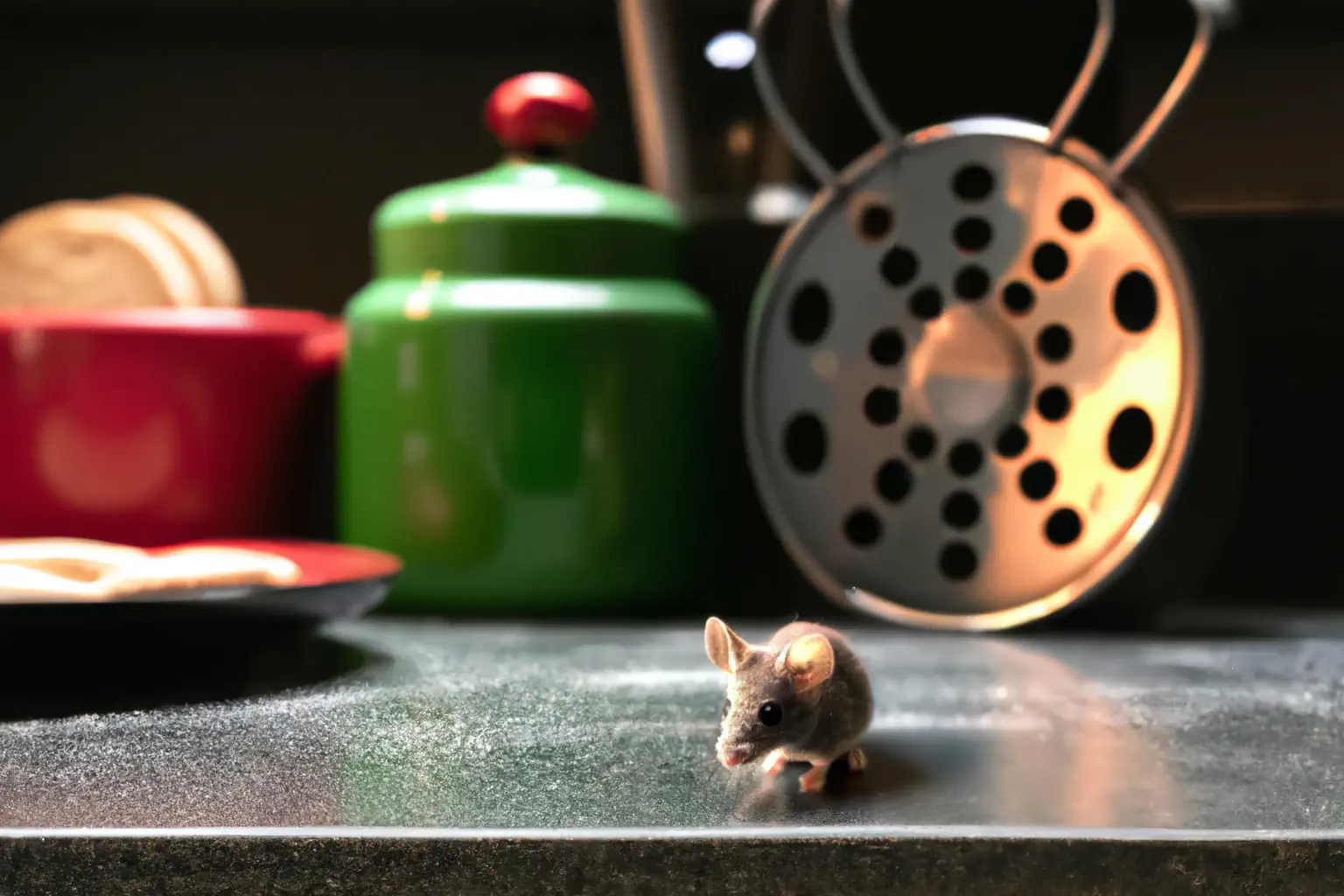
At a glance Assess kitchen rodent signs, protect contaminated food, use CDC cleanup guidance and inspect the routes that allow renewed activity. Mouse-like droppings in
At a glance Understand documented nighttime rat bites, prompt medical follow-up and a practical bedroom and whole-property inspection plan. Rat bites to sleeping people have
At a glance Inspect ground and roof-level rat access, compare likely species and coordinate durable repairs, resource reduction and follow-up. Rats may enter through damaged
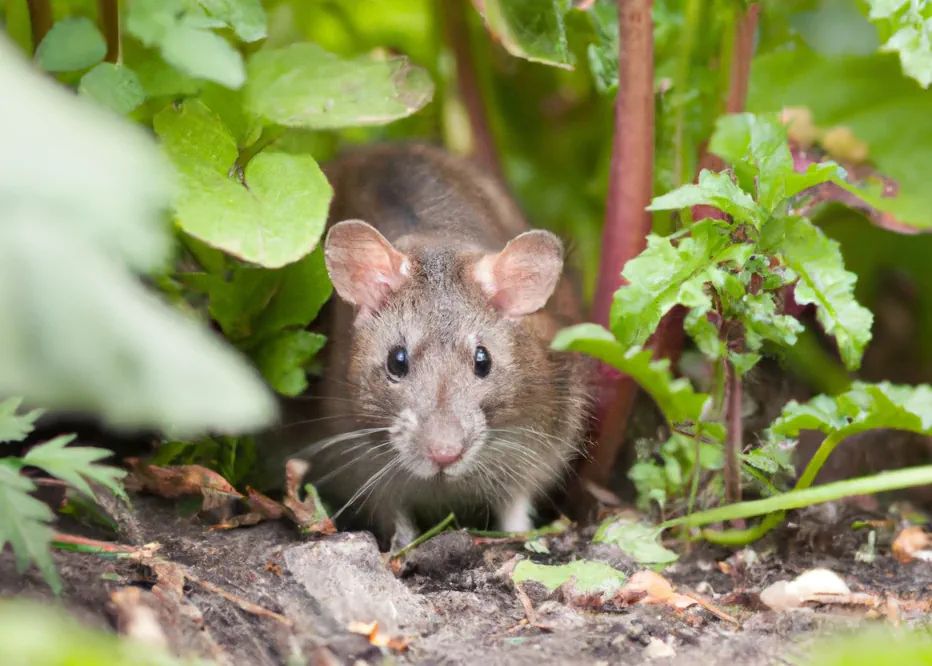
At a glance Compare daytime rat shelter outdoors and indoors, interpret nighttime sounds and decide which inspection and prevention steps matter. Rats are mainly active
At a glance Find mouse-sized access at doors, utilities and roof transitions, connect signs with shelter and plan durable repairs and follow-up. House mice can
At a glance A daytime mouse sighting is useful evidence, but timing alone cannot reveal population size. Inspect the route, protect food and plan exclusion

Map potential rodent entry routes, maintain durable repairs and food storage, and distinguish prevention from qualified active-animal work.
A bait station holds bait, which may be rodenticide or monitoring material. Learn how placement, labels, inspection and exclusion fit a rat or mouse control plan.
Identify roof rats and Norway rats, inspect entry and food sources, compare control tools, and follow safer cleanup and monitoring practices for a Florida property.
Resolve mouse activity through identification, entry repairs, sanitation, suitable monitored control, and safer cleanup. Learn how to assess progress without permanent promises.
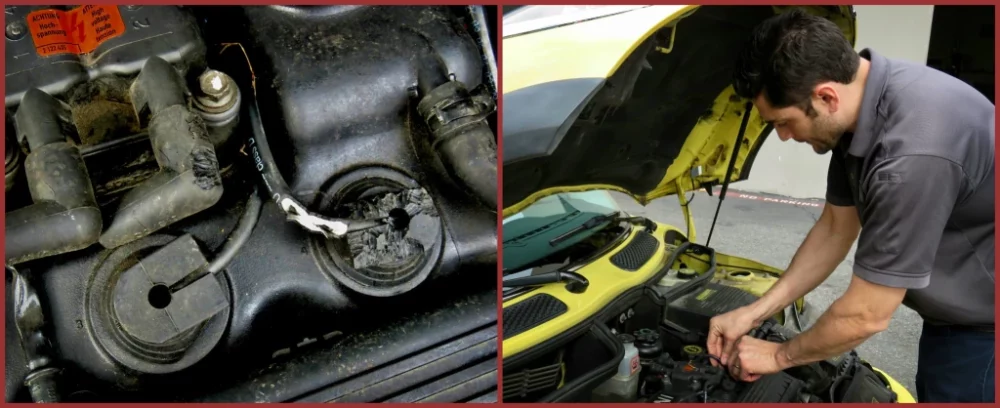
At a glance Recognize rodent signs around your vehicle, inspect before starting, and coordinate a mechanic’s repair with garage exclusion and parking-area prevention. Key Takeaways
At a glance Compare mice, roof rats, Norway rats and native lookalikes using body features, habitat and evidence before planning exclusion or control. Key Takeaways
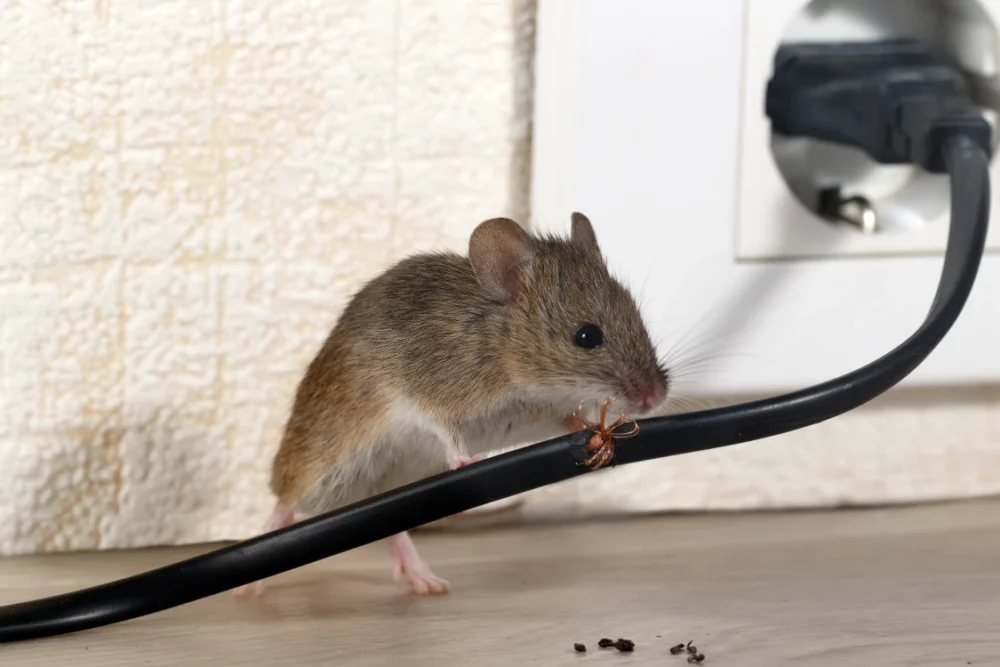
At a glance Learn what scratching and gnawing may indicate, compare possible attic occupants, and plan identification, exclusion and cleanup without guessing from sound alone.
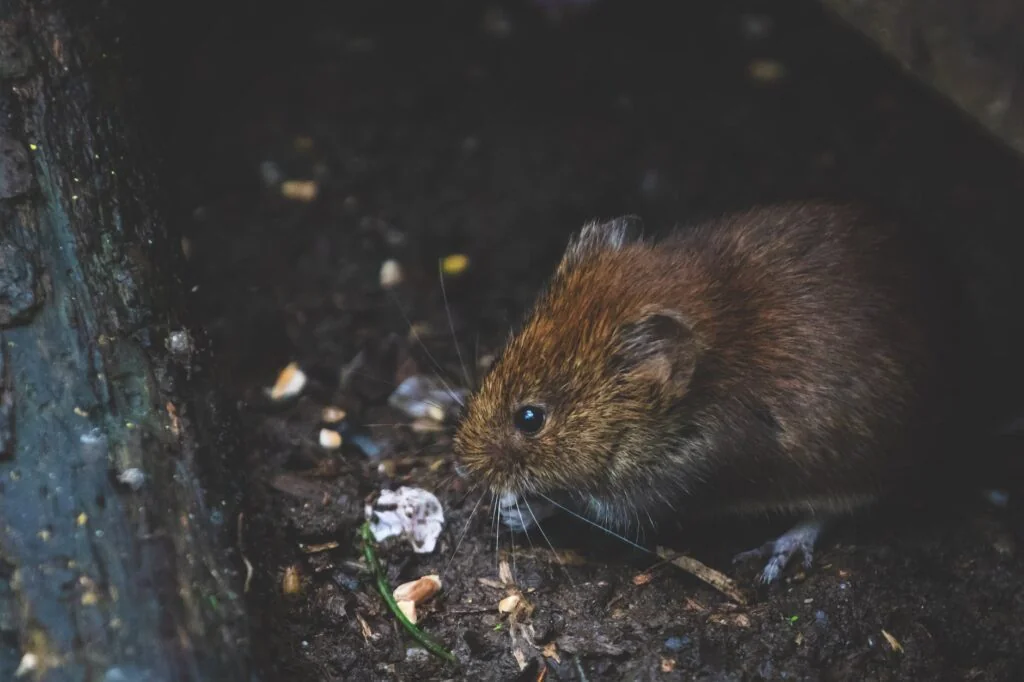
At a glance Ceiling and wall noises need evidence-based inspection, urgent building or exposure triage when warranted, and species-appropriate Florida wildlife guidance. What could be
Separate newborn development, weaning, sexual maturity and adult size; use a bounded house-mouse timeline to explain early inspection without predicting a home’s future population.
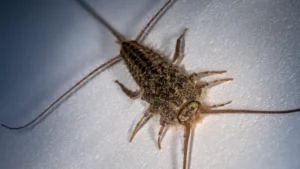
At a glance Identify silverfish and inspect susceptible stored materials and avoidable moisture. Diet and damage evidence guide suitable storage, cleaning and monitoring. Key Takeaways

At a glance Black spiny-tailed iguanas have pointed tail-scale rings, and juveniles may be green. Confirm species using several features, document shelter and damage, and
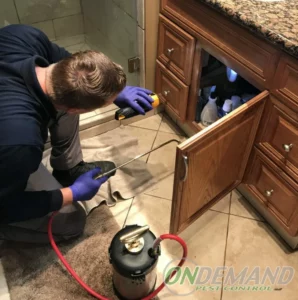
At a glance A pest can be annoying, damage material or create a health concern. These categories overlap; identification and direct evidence determine the response.
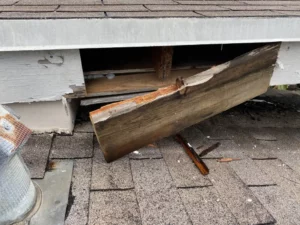
At a glance Winter does not prove a home is pest-free, especially when pests have indoor food and shelter. Inspect actual evidence, maintain exclusion and